In the heart of the global technological revolution, where the giants defining our digital reality were born, a battle is unfolding that could overturn the economic status quo of the West. California, which would be the world's fifth-largest economy if it were an independent nation, faces an existential dilemma: how to fund its ambitious social safety net and infrastructure when its wealthiest residents possess unimaginable wealth that remains, for the most part, untaxed.
Anatomy of a Radical Proposal
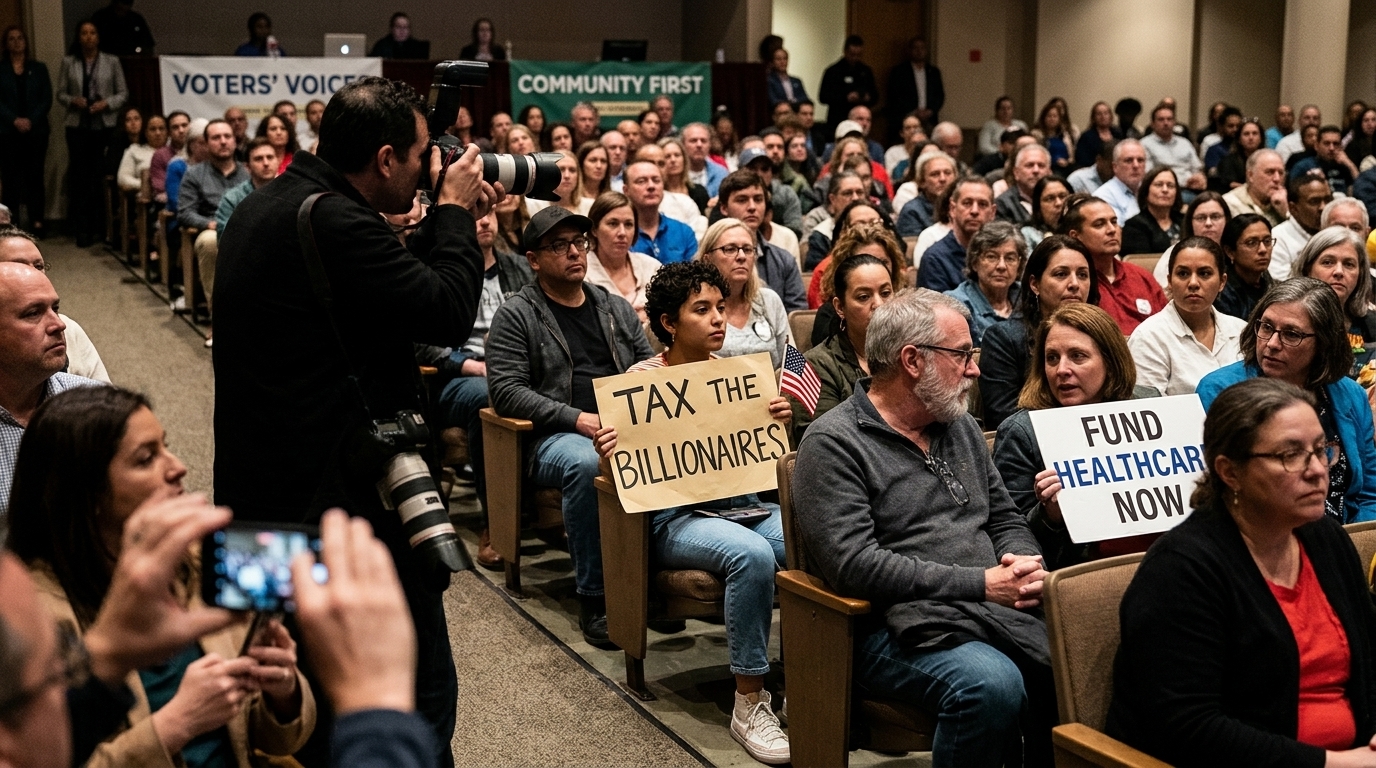
The proposal to impose an additional 5% tax on the fortunes of billionaires is not merely a fiscal move; it is a statement of political intent. According to the measure's proponents, the state is home to approximately 186 billionaires, more than any other region on the planet. The wealth of these individuals is primarily based on unrealized gains from stocks—wealth that grows rapidly on paper but leaves no corresponding footprint in the state's coffers.
The proposed legislation aims to close this loophole by taxing net worth rather than just income. This move comes at a time when California is grappling with a massive budget deficit, estimated to reach $60 billion by 2026. The need for liquidity is urgent, but the risk of "capital flight" is equally visible.
The Fear of Exodus: From Palo Alto to Austin
The primary objection from critics is the possibility of a mass exodus. Iconic figures like Elon Musk and companies like Hewlett Packard Enterprise have already moved their headquarters to Texas or Florida—states that advertise the absence of state income tax. A 5% wealth tax could be the final straw for the Silicon Valley elite.
- Capital Mobility: In the era of remote work and the cloud, a company's physical presence is less binding than ever.
- The "Exit Tax": To counter flight, the bill includes provisions allowing California to tax individuals who leave the state for up to ten years after their departure.
- Legal Challenges: Many constitutional scholars argue that taxing unrealized gains violates the U.S. Constitution, likely sending the case to the Supreme Court.
"We cannot build a sustainable future relying on a 20th-century tax system when 21st-century wealth is digital, fluid, and global," says a supporter of the bill in the California Senate.
The AI Connection and the Future of Work
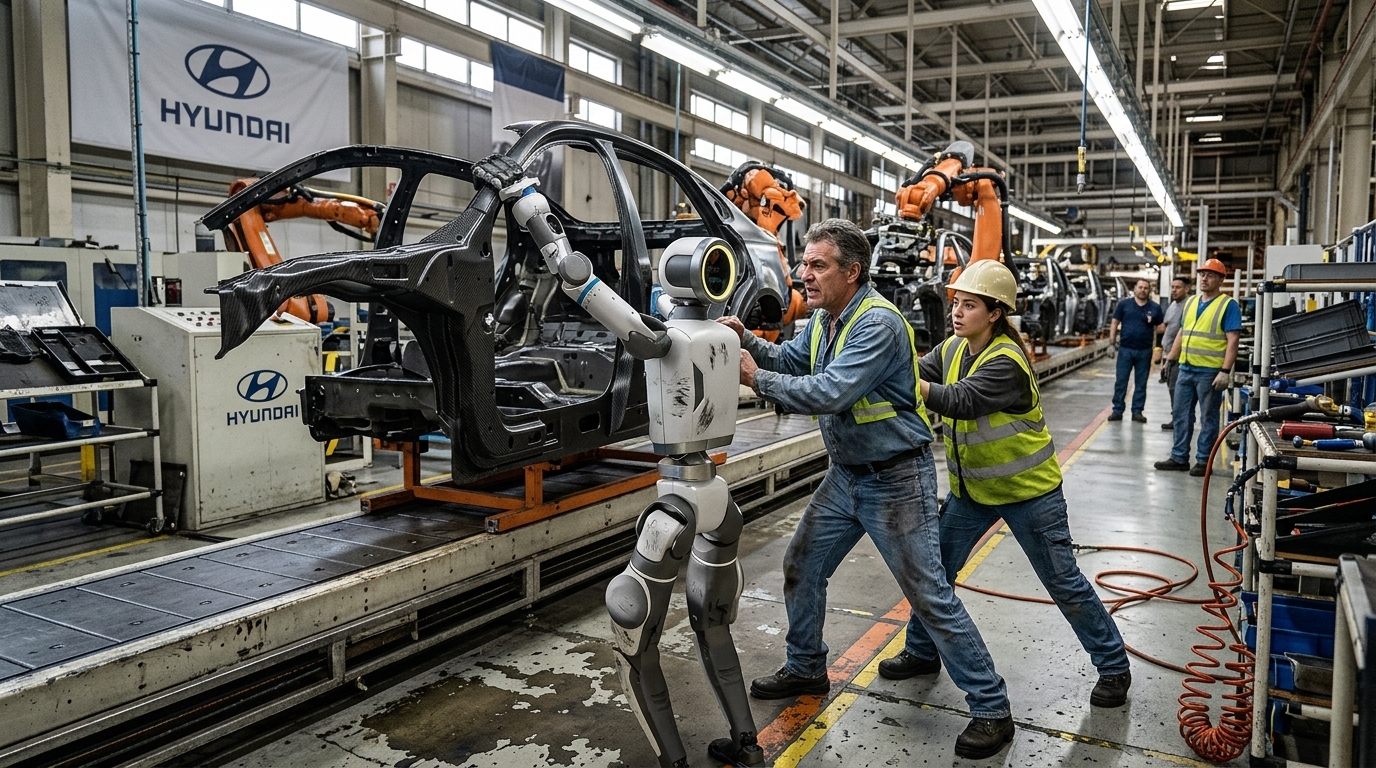
This discussion takes on particular significance amidst the AI explosion. California is the global epicenter of Artificial Intelligence, with companies like OpenAI, Anthropic, and Nvidia seeing their valuations skyrocket. Proponents of the tax argue that since AI threatens to displace millions of jobs, the fruits of this technological progress must be redistributed to support affected workers.
If California manages to implement this measure without destroying its innovation ecosystem, it will set a precedent for many other countries, especially within the European Union, where the "wealth tax" debate is constantly on the agenda. However, if it fails, it will serve as a loud lesson on the limits of state intervention in a globalized economy.
Conclusion: A Social Contract Under Revision
California's experiment is not just about dollars and cents. It is about the very concept of social justice in the age of hyper-capitalism. The balance is delicate: the state needs its billionaires to remain the center of the world, but the billionaires need the infrastructure, education, and stability the state provides. This conflict will define the future of Silicon Valley and, by extension, the trajectory of the global economy in the coming years.