The geopolitical chessboard of global maritime transport is facing an unprecedented challenge as US Secretary of State Marco Rubio sounded the alarm over the transformation of strategic chokepoints into "fiscal outposts." His recent statements regarding the Strait of Hormuz are not merely a reaction to Iranian ambitions, but a profound analysis of a systemic risk that could reshape global trade as we have known it since the end of World War II.
The Strategic Weight of Hormuz and the Iranian Threat
The Strait of Hormuz, the narrow strip of water connecting the Persian Gulf to the Gulf of Oman, is the world's most vital artery for energy security. Approximately 20-30% of total global oil consumption passes through this passage daily. The idea of imposing "tolls" or transit fees by Tehran is not new, but in the current climate, it acquires a dangerous new momentum.
According to Rubio, accepting or failing to deter such a move would create a disastrous legal and political precedent. The United Nations Convention on the Law of the Sea (UNCLOS) provides for the right of "transit passage" through international straits, a principle that ensures ships can pass freely and unhindered. The imposition of charges would be a flagrant violation of this regime, effectively turning international waters into national territory for exploitation.
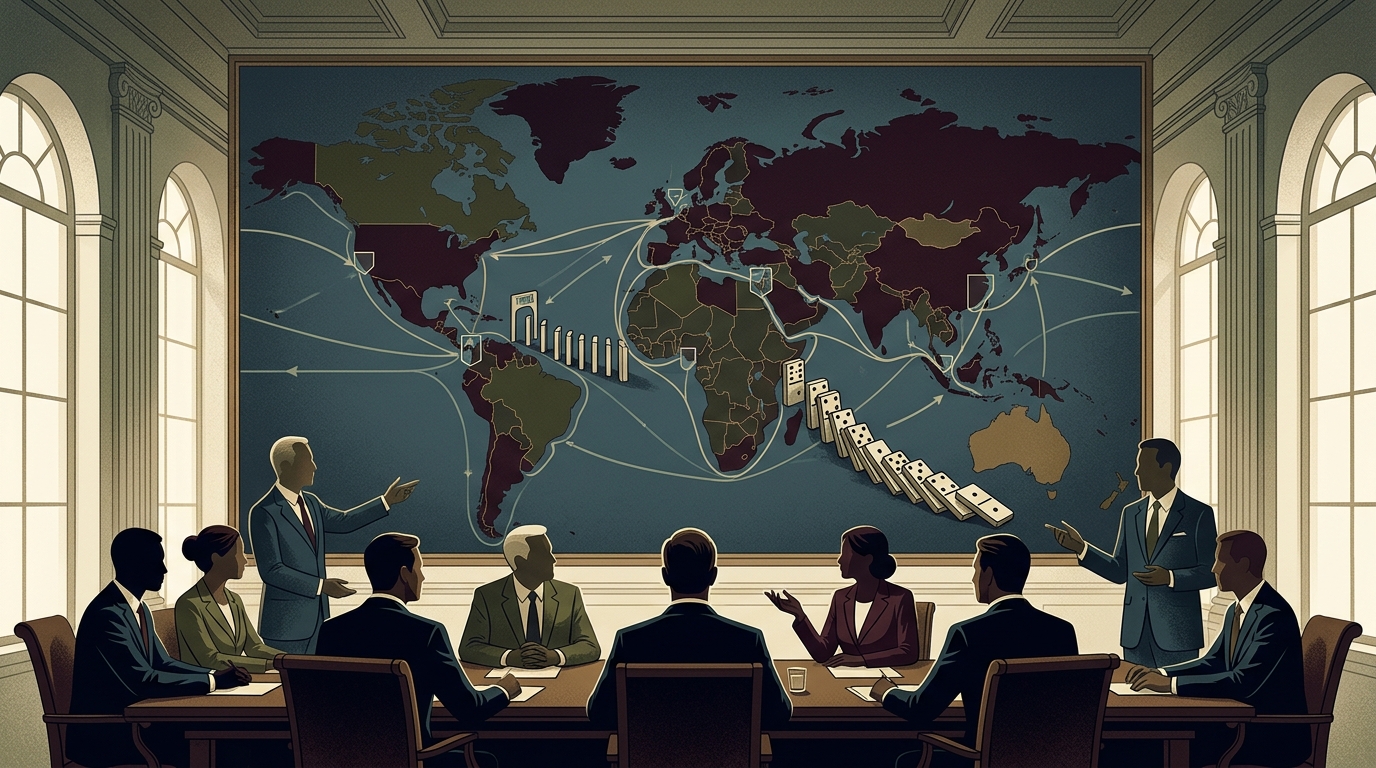
The Domino Effect: From Suez to Panama
Washington's primary concern, as expressed by Rubio, is the contagion of this practice. If Iran succeeds in de facto legitimizing the imposition of fees in Hormuz, what will stop other nations controlling critical passages from doing the same? The Suez Canal, the Bab el-Mandeb, the Strait of Malacca, and even the Panama Canal could become arenas for economic exploitation and geopolitical blackmail.
- Suez Canal: While Egypt already collects fees, these are based on the provision of services through an artificial canal. Extending this logic to natural straits would completely alter transportation cost structures.
- Strait of Malacca: A region through which the bulk of Chinese and Japanese trade passes. A toll imposition there would trigger a global inflationary shock.
- Arctic Routes: As ice melts, Russia is already attempting to impose strict rules and fees for passage through the Northern Sea Route.
The danger is the "feudalization" of the seas. In a world where multilateral agreements are fraying, the sea ceases to be a free space of communication and becomes a series of controlled segments where the strongest or the geographically advantaged dictates terms.
Economic Implications and the Rise in Cost of Living
Analysts warn that imposing tolls on straits would have a direct impact on consumer prices. It is not just about the cost of oil. Every container carrying electronics, clothing, or food would be burdened with additional costs, which would ultimately be passed on to the end consumer. At a time when the global economy is struggling to recover from inflationary pressures, such a development would be catastrophic.
"Freedom of navigation is not just a legal concept; it is the backbone of global prosperity. If we allow this chain to break, we will see the cost of every product skyrocket," Rubio noted pointedly.
Furthermore, the need for alternative routes would increase delivery times and carbon emissions, as ships would be forced to circumnavigate entire continents (such as the Cape of Good Hope) to avoid "expensive" straits. This would also undermine global climate change goals, as shipping would become less efficient and more carbon-intensive.
The Geopolitical Response and the Role of AI
Addressing this threat requires coordinated international action. The US, through Rubio, is sending a message that freedom of the seas is a "red line." This could mean increased naval presence, merchant ship escorts, or even preemptive sanctions against countries proposing such measures.
In this context, technology and Artificial Intelligence play a decisive role. Using AI for real-time route optimization, monitoring traffic in the straits, and predicting risks is now essential. Autonomous vessels and advanced surveillance systems can ensure that any attempt to illegally obstruct navigation is detected and addressed immediately.
In conclusion, Marco Rubio's warning about tolls in Hormuz is a wake-up call. The international community must choose between a future of free trade and cooperation or a regressive model of protectionism and maritime conflict. The stability of the global economy hangs by a thread, and that thread passes through the narrow straits of our oceans.