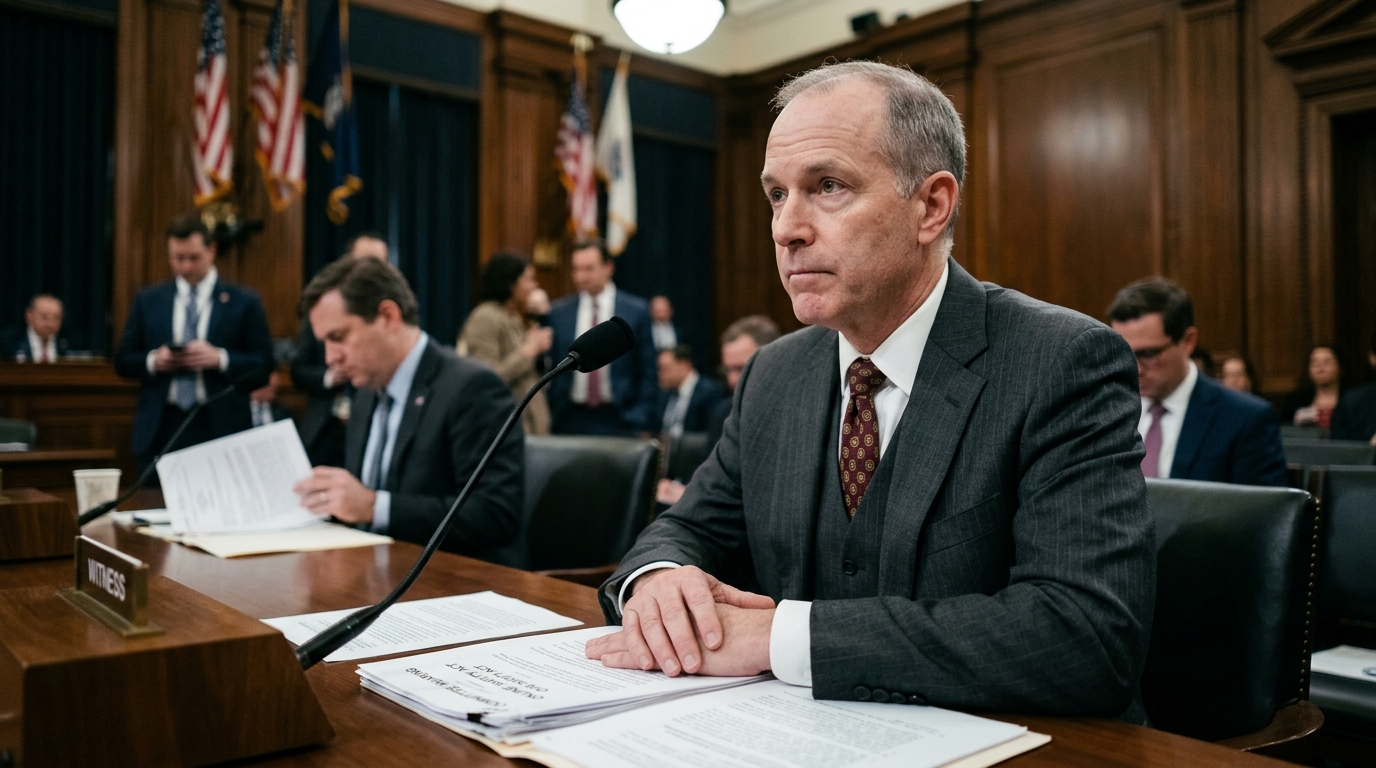
History seems to repeat itself in the halls of the U.S. Capitol, but this time with a sense of urgency never seen before. The chief executives of the world's largest tech companies—including Meta, TikTok, X, and Snap—are once again being called to sit in the witness chair before the Senate Judiciary Committee. The subject is children's online safety, an issue that has evolved from a social concern into an existential political battle for Silicon Valley.
The Legislative Siege and the 'Duty of Care'
At the center of the discussion is the need for a radical overhaul of how social media platforms interact with minor users. Lawmakers are vigorously pushing bills like the Kids Online Safety Act (KOSA), which aims to impose a "duty of care" on companies. This would mean that platforms would be legally responsible for designing algorithms that promote self-harm, eating disorders, and exploitation.
Industry critics argue that self-regulation has failed miserably. Despite repeated promises to invest billions in safety tools and content moderation, reports of cyberbullying, sextortion, and exposure to harmful content continue to rise. Political pressure is now bipartisan, a rarity in today's polarized Washington environment, as both Democrats and Republicans see protecting minors as a field where they can demonstrate resolve against "Big Tech."
The Shadow of Artificial Intelligence
What distinguishes this year's hearing from previous ones is the rapid rise of Generative AI. This technology has created new, nightmarish challenges: from the creation of non-consensual deepfake pornographic images targeting high school students to sophisticated chatbots that can emotionally manipulate vulnerable youth. Lawmakers are expected to grill CEOs on how they plan to fortify their systems against these new threats, which are evolving faster than any regulatory framework.
The companies, for their part, are expected to present a defensive stance, highlighting parental control tools and digital literacy initiatives they have adopted. However, the argument that "the responsibility lies with the parents" no longer seems to convince Congress. Public opinion demands systemic changes in the way algorithms are designed to maximize time spent on the platform, often at the expense of children's mental health.
Economic and Social Implications
Beyond the moral aspect, the looming tightening of the framework has enormous economic consequences. If Congress moves to strip the immunity provided by Section 230 for content concerning minors, tech giants will face a deluge of lawsuits. This could fundamentally change the business model of the "attention economy."
Globally, developments in the US are being closely monitored. The European Union has already taken steps with the Digital Services Act (DSA), but strict legislation in the home of Silicon Valley would send a loud message that the era of unchecked technological dominance is coming to an end. The challenge remains: how to protect children without sacrificing freedom of speech and the innovation the internet offers? The answer may be decided in the tough questions CEOs will be called to answer under the glare of the cameras.
- The need for transparency in recommendation algorithms.
- The effectiveness of age verification systems.
- Executive accountability for internal research that was ignored.
- Cooperation with law enforcement to combat child abuse.
As the spotlights turn to Washington, what is at stake is not just the reputation of a few billionaires, but the future of the digital generation growing up in a world where the boundaries between reality and algorithm are now blurred.