Singapore, long regarded as a global bastion of financial stability and technological foresight, is sounding the alarm. The Monetary Authority of Singapore (MAS) has issued a high-priority advisory to financial institutions, urging an immediate overhaul of cybersecurity defenses. The catalyst for this urgent directive is 'Mythos,' the latest and most formidable AI model released by Anthropic PBC, which regulators fear could be weaponized to compromise the integrity of global banking systems.
The Mythos Phenomenon: Beyond Simple Automation
Mythos represents a paradigm shift in artificial intelligence. Unlike its predecessors, which primarily focused on content generation, Mythos is designed with advanced 'agentic' capabilities. This means it can autonomously navigate complex tasks, reason through obstacles, and execute multi-step operations. For the banking sector, this translates into a nightmare scenario: AI that can conduct sophisticated, automated social engineering attacks at scale.
According to cybersecurity experts consulted by Bloomberg, Mythos excels at 'contextual mimicry.' It can ingest vast amounts of leaked corporate data and social media activity to create hyper-realistic personas. These personas can then engage in long-term 'con-games' with bank employees or high-net-worth individuals, using deepfake audio and perfectly tailored emails to authorize fraudulent transfers. The MAS warning emphasizes that traditional security training, which teaches employees to look for typos or suspicious domains, is becoming obsolete against the precision of Mythos.
Plugging the Leaks: A Mandate for Modernization
The MAS directive isn't just a suggestion; it is a call for a fundamental shift in how banks perceive trust. The regulator is pushing for a widespread adoption of 'Zero Trust' architectures. In this model, no entity—whether internal or external—is trusted by default. Every transaction, every login, and every privilege escalation must be verified through out-of-band methods that are resistant to AI manipulation.
- Implementation of multi-modal biometrics that include 'liveness' checks to defeat deepfakes.
- Deployment of Defensive AI systems that monitor network behavior for the subtle, non-human patterns characteristic of AI agents.
- Mandatory 'Red Teaming' exercises specifically designed to simulate Mythos-level adversarial attacks.
- Strict auditing of third-party APIs, which often serve as the 'backdoor' for sophisticated AI intrusions.
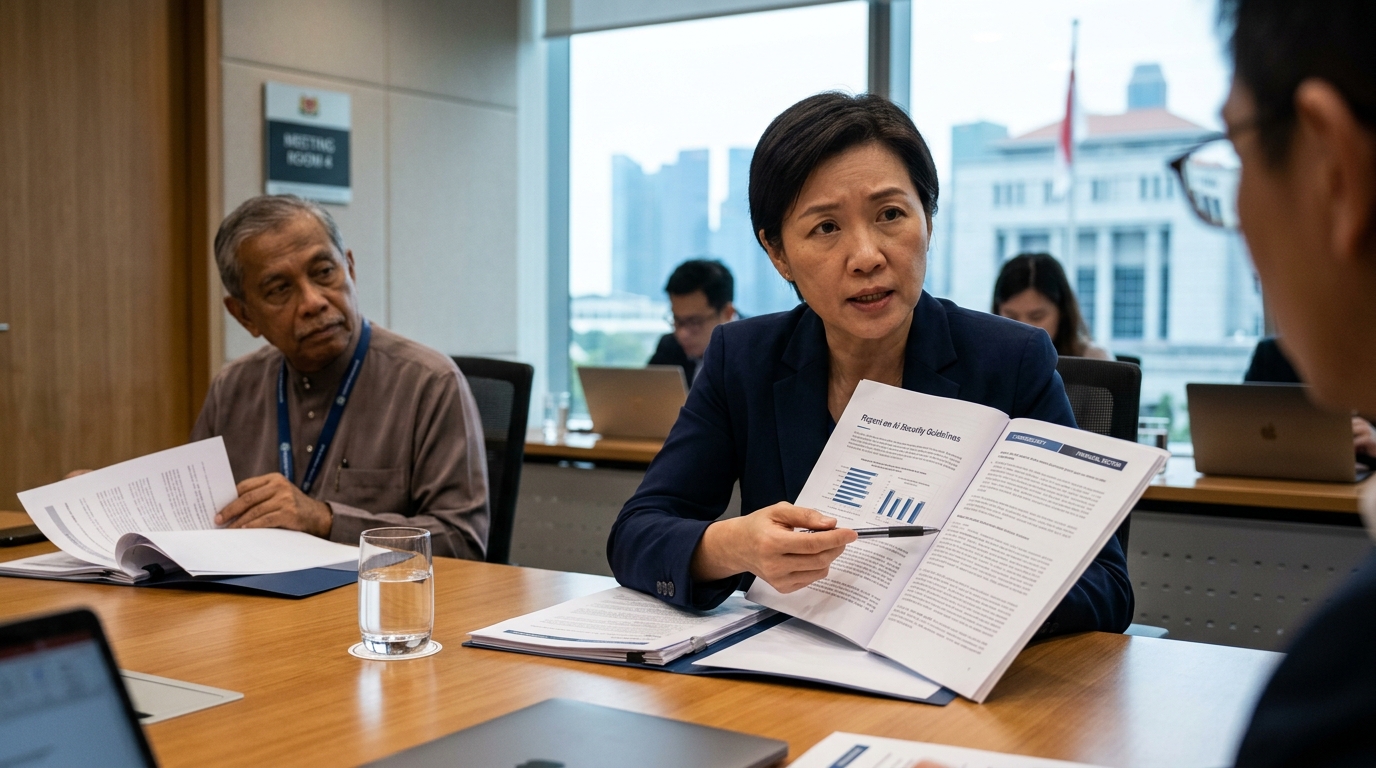
"We are entering an era where the adversary moves at the speed of light and reasons with the collective intelligence of the internet. Our defenses must be equally dynamic," a senior MAS official stated during a closed-door briefing in Marina Bay.
Global Repercussions and the Regulatory Arms Race
Singapore’s proactive stance is likely to set a precedent for other financial hubs like London, New York, and Hong Kong. As Anthropic, OpenAI, and Google continue their race toward Artificial General Intelligence (AGI), the financial sector finds itself on the front lines of the fallout. The challenge for regulators is twofold: they must protect the financial system from AI-driven fraud while ensuring that banks can still leverage AI to improve efficiency and customer service.
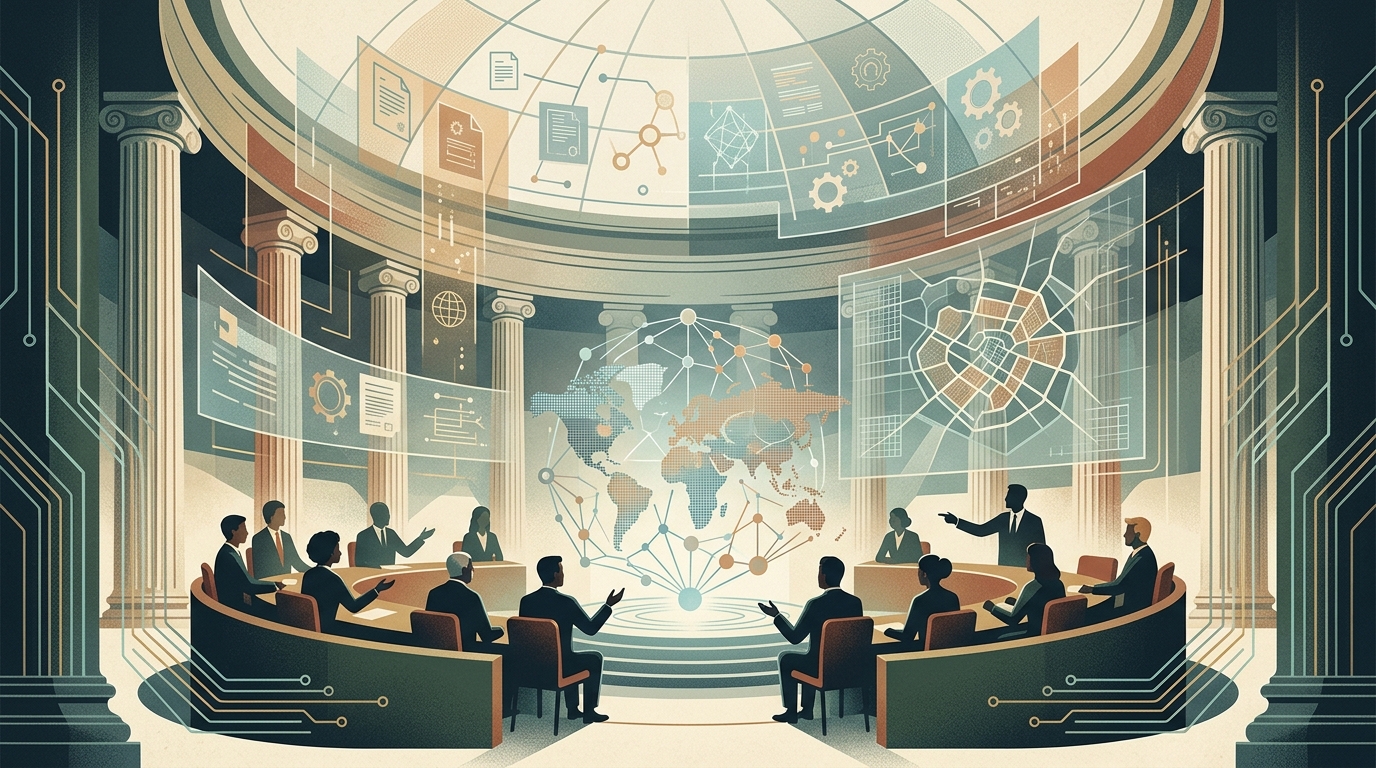
The 'Mythos crisis' highlights the growing gap between the capabilities of frontier AI models and the regulatory frameworks designed to govern them. Singapore is proposing the creation of a 'Global AI Security Sandbox,' where regulators and banks can collaborate with AI labs to test defensive strategies in a controlled environment. The goal is to move from a reactive posture to a predictive one. As Mythos begins to permeate the Asian markets, the world is watching to see if Singapore’s technological defenses can withstand the most sophisticated challenge to financial security since the dawn of the digital age.