In the beating heart of global technological innovation, the battle for supremacy is no longer fought solely in laboratories and boardrooms, but increasingly in federal courtrooms. On May 13, 2026, the top federal prosecutor for the Northern District of California made it clear: protecting U.S. intellectual property from foreign adversaries is now a front-line national security issue. This announcement comes as AI, quantum computing, and biotechnology have become the new "crown jewels" of the global economy.
A Strategy of Zero Tolerance
Silicon Valley has historically been a place of open exchange—a culture that fueled explosive growth but also left it vulnerable. The U.S. Attorney emphasized that the days of a "lax" approach to data leaks are over. The new strategy focuses on the aggressive prosecution of cases where trade secrets—ranging from AI algorithm source code to semiconductor chemical formulas—are illegally transferred to state-controlled entities of foreign powers, with a particular emphasis on China, Russia, and Iran.
According to the prosecutor's office, economic espionage is no longer an amateur effort by rogue employees, but a well-orchestrated operation by foreign intelligence services. "We are not chasing innovation; we are chasing theft," the prosecutor clarified, attempting to reassure the international research community while simultaneously sending a stern warning to foreign governments seeking to bypass decades of R&D through cyberattacks and insider informants.
The Cost of Theft and National Security
The economic damage from intellectual property theft is estimated at hundreds of billions of dollars annually. However, in 2026, the concern transcends the financial. Losing control over critical technologies, such as next-generation Large Language Models (LLMs), could provide authoritarian regimes with tools to enhance surveillance or conduct sophisticated psychological warfare. The prosecutor's office is working closely with the "Disruptive Technology Strike Force," a joint initiative of the Departments of Justice and Commerce, to identify and dismantle networks attempting to export sensitive technology.
- Increased use of AI to detect unusual data transfer patterns within corporations.
- Stricter scrutiny of former employees of tech giants who are recruited by foreign state-owned enterprises.
- Strengthening whistleblower protection laws for those reporting espionage attempts.
The Delicate Balance and Challenges
Despite the necessity of these measures, the legal community and human rights organizations are raising concerns. There is a risk that an intense focus on specific nationalities could lead to racial profiling and discourage global talent from working in the U.S. The failure of the previous "China Initiative," which was criticized for targeting academics without sufficient evidence, remains a fresh memory. The prosecutor assured that new prosecutions will be based solely on specific criminal acts and not on national origin.
Yet, the challenge remains immense. In the digital world of 2026, borders are fluid, and dual-use technology (civilian and military) makes the distinction between legitimate business and espionage extremely difficult. Silicon Valley is now called to operate in an environment where security is as vital as the speed of innovation, turning software engineers into involuntary soldiers of an invisible war.
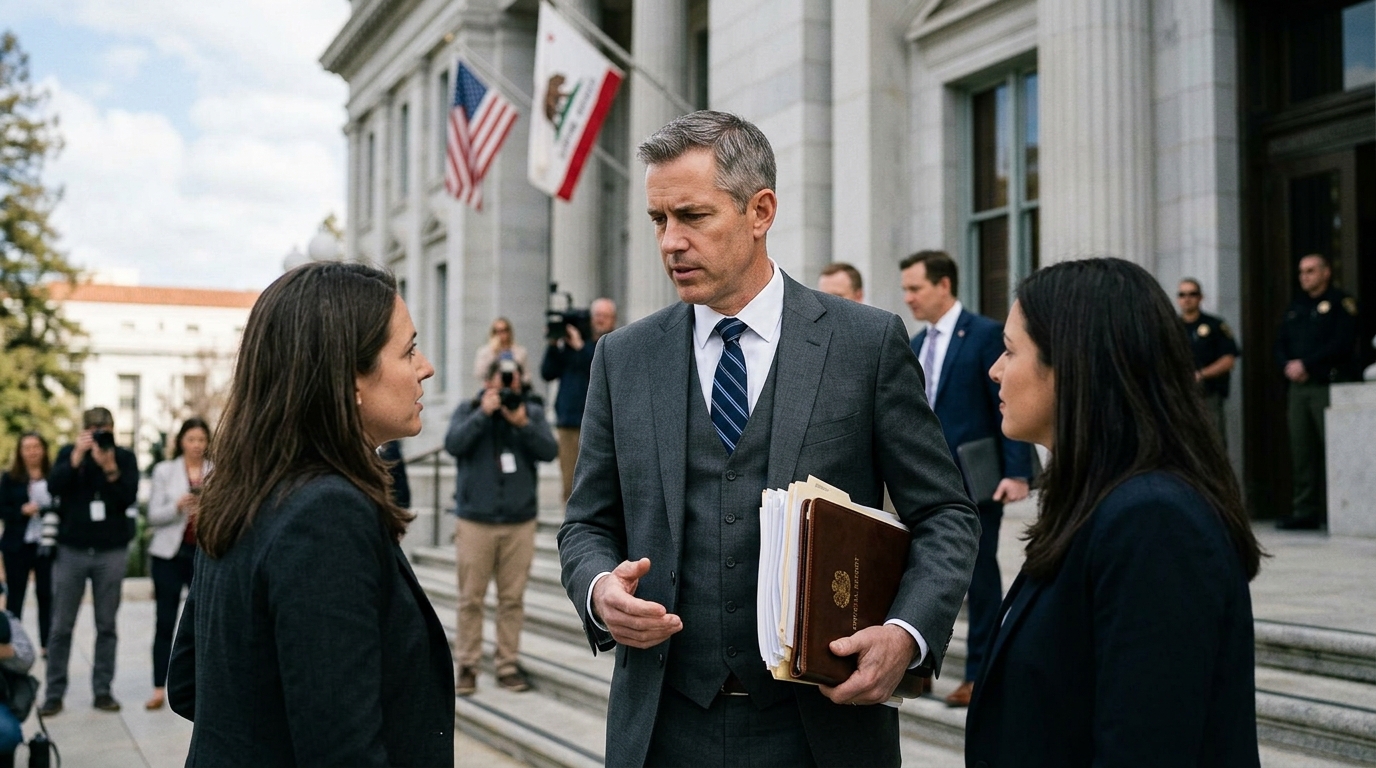
"Protecting our ideas is protecting our future. We cannot allow the advantage of our free society to become our Achilles' heel," the prosecutor stated during the press conference.
In conclusion, this move signals a new phase in the technological Cold War. Legal action is no longer just a reaction to a crime but a proactive tool of foreign policy. The success of this effort will be judged by the authorities' ability to stop theft without stifling the spirit of freedom that made Silicon Valley what it is today.