For decades, the image of an accountant was synonymous with endless hours over spreadsheets, grueling data entry, and the seasonal stress of tax deadlines. However, as we move through 2026, this image is firmly becoming a relic of the past. According to recent analyses from Bloomberg Tax and leading financial experts, the accounting industry is on the cusp of a "golden age," driven by the rapid and strategic integration of Artificial Intelligence (AI).
Automation as a Productivity Catalyst
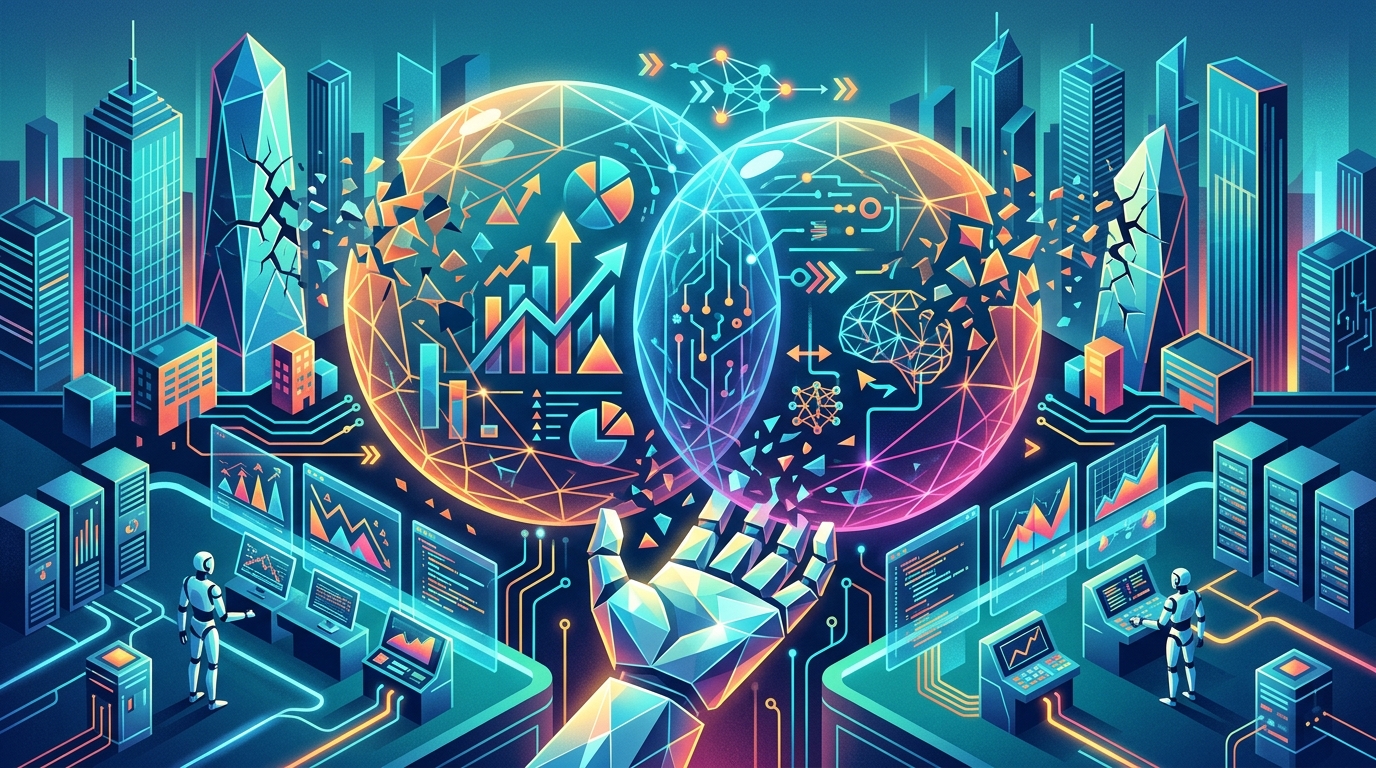
The core promise of AI in accounting is not to replace humans, but to liberate them from repetitive tasks. Generative AI and machine learning algorithms now handle bank reconciliations, expense categorization, and the preparation of basic tax filings with a speed and precision that far exceeds human capabilities. What used to take weeks of work from a team of junior accountants is now completed in seconds.
As executives from the "Big Four" (Deloitte, PwC, EY, KPMG) point out, investment in AI tools is already starting to pay off. The reduction in data entry errors—one of the industry's biggest risks—has been cut by nearly 90% in firms utilizing advanced optical character recognition (OCR) and analytical AI. This allows professionals to focus on what truly adds value: advisory services and strategic planning.
Addressing the Talent Shortage
One of the most critical issues facing the industry in recent years has been the dramatic decline in young people choosing the accounting profession. The perception of accounting as a "boring" and exhausting job led to a global staffing shortage. Here, AI acts as a lifeline. By automating the most tedious aspects of the job, firms can now offer new graduates more creative and analytical roles from day one.
- Elimination of manual data entry tasks.
- Emphasis on data analysis and trend forecasting.
- Improved work-life balance through efficiency.
Accounting is evolving from a science of "what happened" (historical data) to a science of "what will happen" (predictive analysis). Accountants in 2026 are called upon to interpret AI findings and guide businesses through complex financial landscapes, making the profession far more attractive to the digital native generation.
Real-Time Insights and Predictive Analytics
Traditional accounting has always been retroactive. Balance sheets and income statements offered a snapshot of the past. With AI, we are moving toward Real-time Accounting. Systems can now analyze transactions as they occur, immediately identifying anomalies that could indicate fraud or financial mismanagement.
"AI isn't just changing how we measure value; it's changing how we create it," notes a prominent industry analyst.
The ability of AI to process vast amounts of unstructured data—such as contracts, emails, and market news—allows accountants to provide proactive advice. For instance, an accountant can now warn a business about upcoming liquidity issues months before they manifest, by analyzing payment patterns and market trends with an accuracy that was unthinkable five years ago.
Challenges, Ethics, and the Trust Factor
Despite the optimism, the path to full AI adoption is not without hurdles. The issue of the AI "black box"—the difficulty of understanding how an algorithm arrived at a specific conclusion—poses a significant challenge for an industry built on precision and auditability. Regulators in Europe and the US are pushing for greater transparency and "Explainable AI" (XAI), ensuring that accountants remain accountable for technology-supported decisions.
Furthermore, data security remains at the top of the agenda. With AI having access to sensitive financial data, the risk of cyberattacks or leaks increases. Accounting firms are now investing as much in cybersecurity as they are in AI itself, recognizing that client trust is their most valuable asset.
Conclusion: The Accountant-Advisor
The future of accounting is not a world without humans, but a world where humans are augmented by machines. AI takes on the burden of processing, allowing the accountant to step into the role of strategic advisor and trusted business partner. As the forecasts for 2026 hold true, the industry appears to be leaving the dust of the archives behind to embrace the light of digital intelligence.