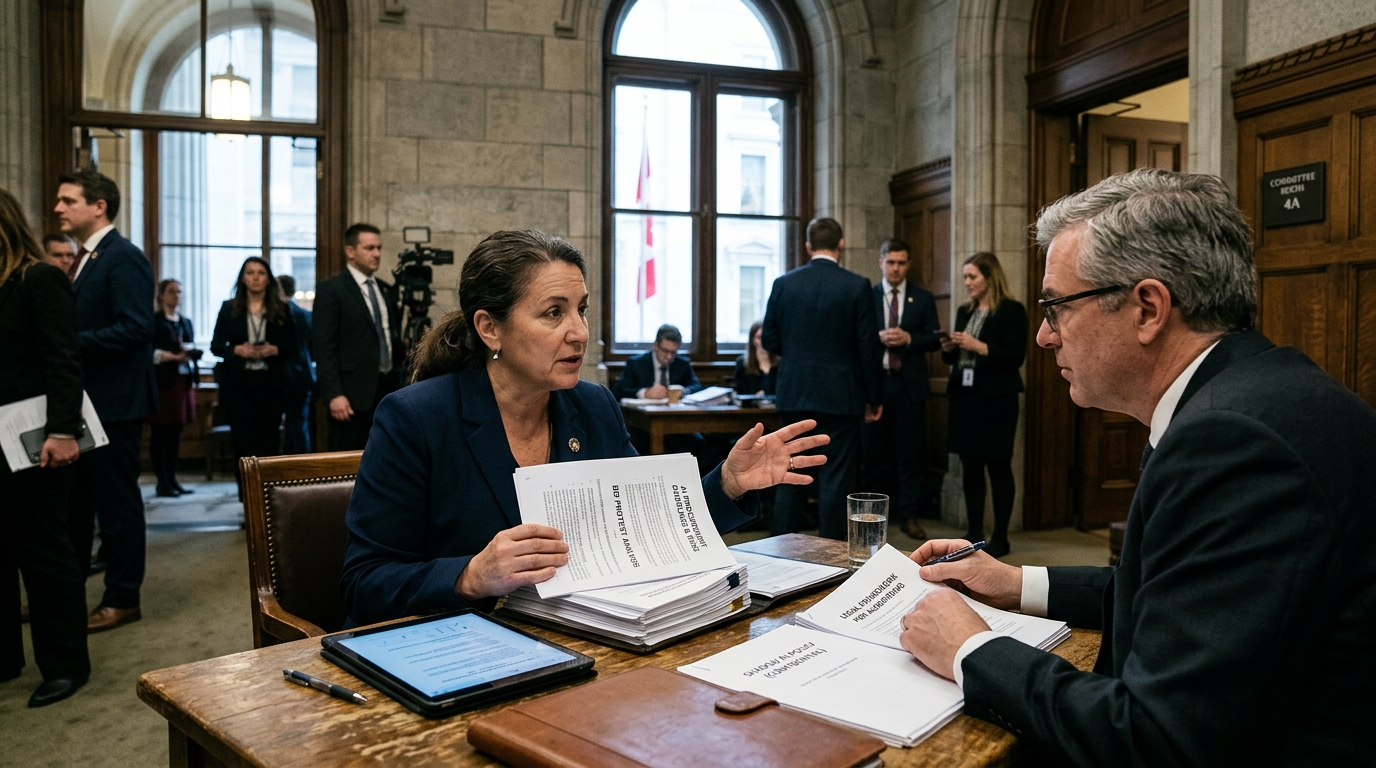
In the high-stakes world of government procurement, where billions of dollars hang in the balance of a single contract award, precision and impartiality are the cornerstones of democratic governance. However, a new, invisible threat is emerging: "Shadow AI." This refers to the unsanctioned use of generative artificial intelligence tools by government officials to analyze, summarize, or even score contractor proposals. What begins as an individual effort to improve efficiency is rapidly evolving into a nightmare of legal challenges and bid protests.
The Rise of Shadow AI in Bureaucracy
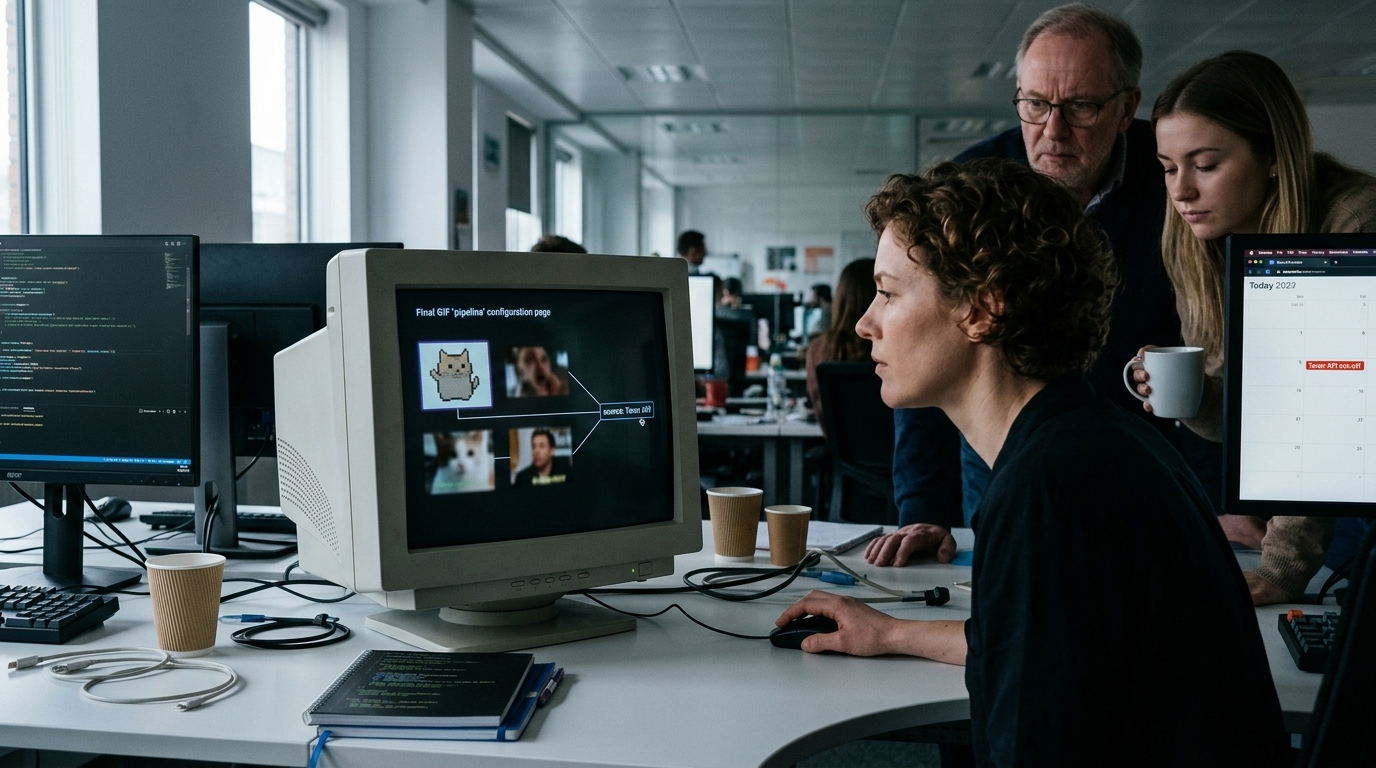
Government evaluators are under immense pressure. They are often tasked with processing thousands of pages of technical specifications and cost proposals within draconian timelines. In this environment, the temptation to use tools like ChatGPT or Claude for a "quick read" of a complex proposal is high. However, when this occurs without official authorization, security protocols, or transparency, it is classified as Shadow AI.
The core issue is not the technology itself, but the lack of governance. Government agencies have yet to establish clear rules on how evaluators can utilize AI. This creates a vacuum where algorithmic bias or hallucinations can influence human judgment without the contractor’s knowledge. If a machine misinterprets a critical technical nuance, and a human evaluator accepts that summary as fact, the integrity of the entire procurement process is compromised.
Legal Risks and the Surge of Bid Protests
For federal contractors, the discovery that Shadow AI was used in evaluating their proposal provides a potent ground for a bid protest. In the U.S. legal framework, and increasingly within EU procurement law, protests are based on the principle that evaluations must be rational, documented, and consistent with the solicitation’s terms.
- Arbitrary and Capricious Findings: If an evaluator relies on a flawed AI summary that contains "hallucinations," the resulting decision can be legally challenged as arbitrary. Courts and boards of contract appeals demand that evaluations be based on the actual record, not an AI's interpretation of it.
- Lack of Transparency: Contractors have a right to understand the methodology used to judge them. The use of hidden, "black box" algorithms violates this fundamental right to transparency.
- Unequal Treatment: If AI is used to summarize one bidder's proposal but not another's, it creates a disparate treatment issue, which is often a fatal flaw in a procurement process.
"The use of unauthorized AI in public spending decisions is not merely a technical glitch; it is an institutional fracture that threatens public trust in government contracting."
Data Security and Confidentiality Breaches
Beyond the litigation risks of bid protests, Shadow AI poses significant threats to national security and the protection of proprietary information. When an evaluator inputs a confidential proposal into a public AI model, that data becomes part of the model’s training set. This means sensitive information regarding defense technology, cybersecurity protocols, or a company's unique trade secrets could potentially leak to third parties or competitors.
Contractors invest millions in research and development to gain a competitive edge. The notion that their intellectual property could be used to "feed" a commercial AI without their consent is a major concern. Legal experts are now advising contractors to include explicit prohibitions against the use of AI for processing their documents within their proposal restrictive markings.
The Path Toward Sanctioned AI
The solution is not a Luddite-style total ban on AI, as the technology does offer genuine efficiency gains. Instead, the focus must shift toward "Sanctioned AI." Government agencies must deploy closed, secure AI environments that operate within the agency's firewall, without external data exposure, and with a comprehensive audit trail for every action taken.
Furthermore, evaluators must be trained in the "critical reading" of AI outputs. Technology must remain a tool for assistance, not a substitute for human judgment. Until these frameworks are robustly implemented, Shadow AI will remain a ticking time bomb in the foundation of government contracting, ready to detonate at the first sign of a legal challenge.