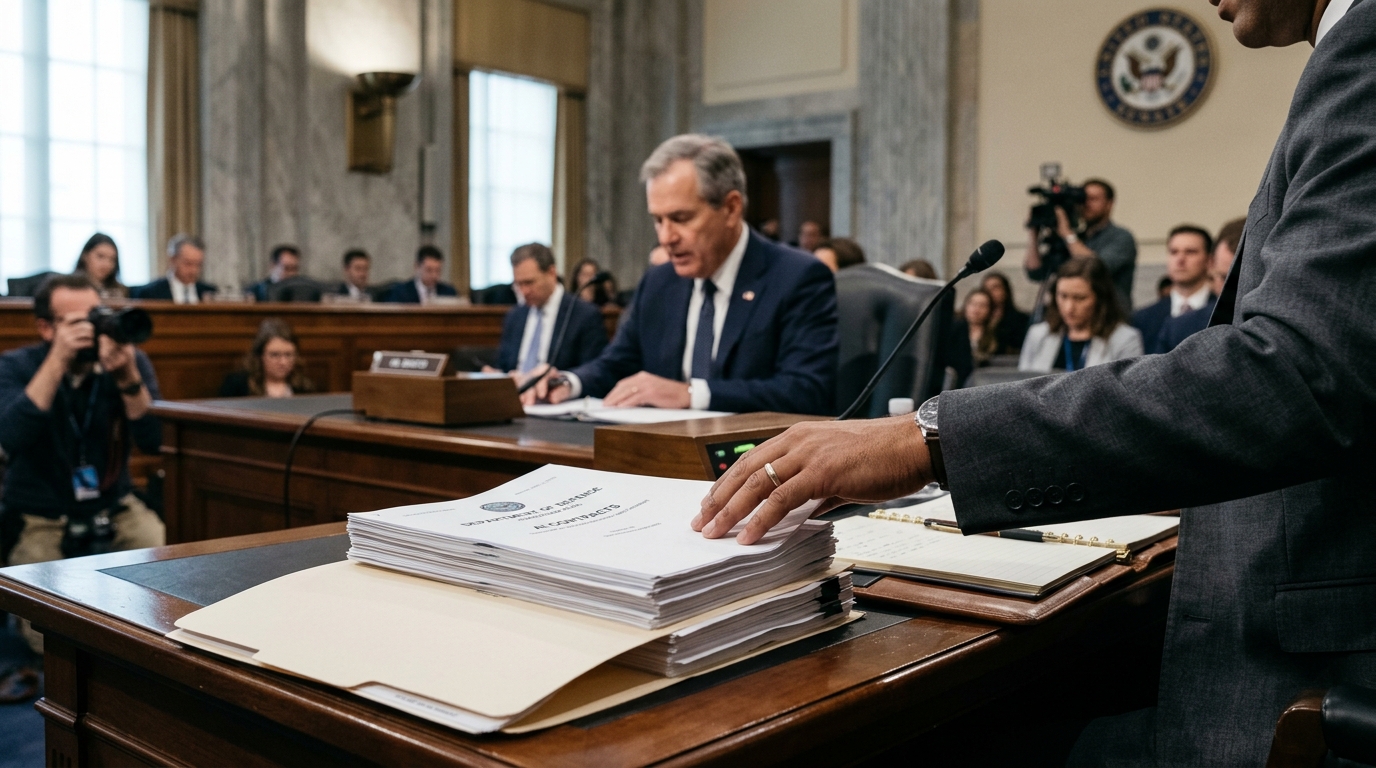
In an era where Artificial Intelligence (AI) has transitioned from a productivity tool to a central pillar of national defense, the U.S. Senate has decided to pull back the curtain of secrecy. In a coordinated move echoing across the political spectrum, key lawmakers have exerted intense pressure on the Department of Defense (DoD) and technology titans, demanding full disclosure of the terms governing AI contracts. The stakes are not merely financial; they involve the very nature of data sovereignty and accountability for decisions made by algorithms on the battlefield.
The Collision of Private Propriety and Public Interest
Central to the lawmakers' concerns are the so-called "Other Transaction Authorities" (OTAs). This procurement mechanism allows the Pentagon to bypass traditional, time-consuming bureaucratic hurdles to rapidly acquire cutting-edge technology. However, this speed comes at a cost: a lack of transparency. Senators argue that citizens and Congress have a right to know how these AI models are trained, who owns the intellectual property of the code, and, crucially, what access private firms have to sensitive military data.
Reports indicate that letters sent to companies including Microsoft, Google, Amazon, and Palantir demand specifics on "vendor lock-in" clauses. Congress fears that the state could become a hostage to specific corporations that control AI infrastructure without the possibility of an easy transition to other providers, creating a digital monopoly within national defense.
Data Rights, Ethics, and Algorithmic Accountability
One of the thorniest issues is data ownership. When a company develops an AI model using battlefield data or classified operations, who owns the "knowledge" the algorithm acquires? Lawmakers are pushing for terms that ensure the government retains rights over the resulting models, preventing the commercialization of military secrets by private contractors.
- Who bears responsibility in the event of an algorithmic failure leading to loss of life?
- How is it guaranteed that algorithms do not contain biases that could skew strategic decisions?
- What is the true cost of maintaining and upgrading these systems over a decade-long horizon?
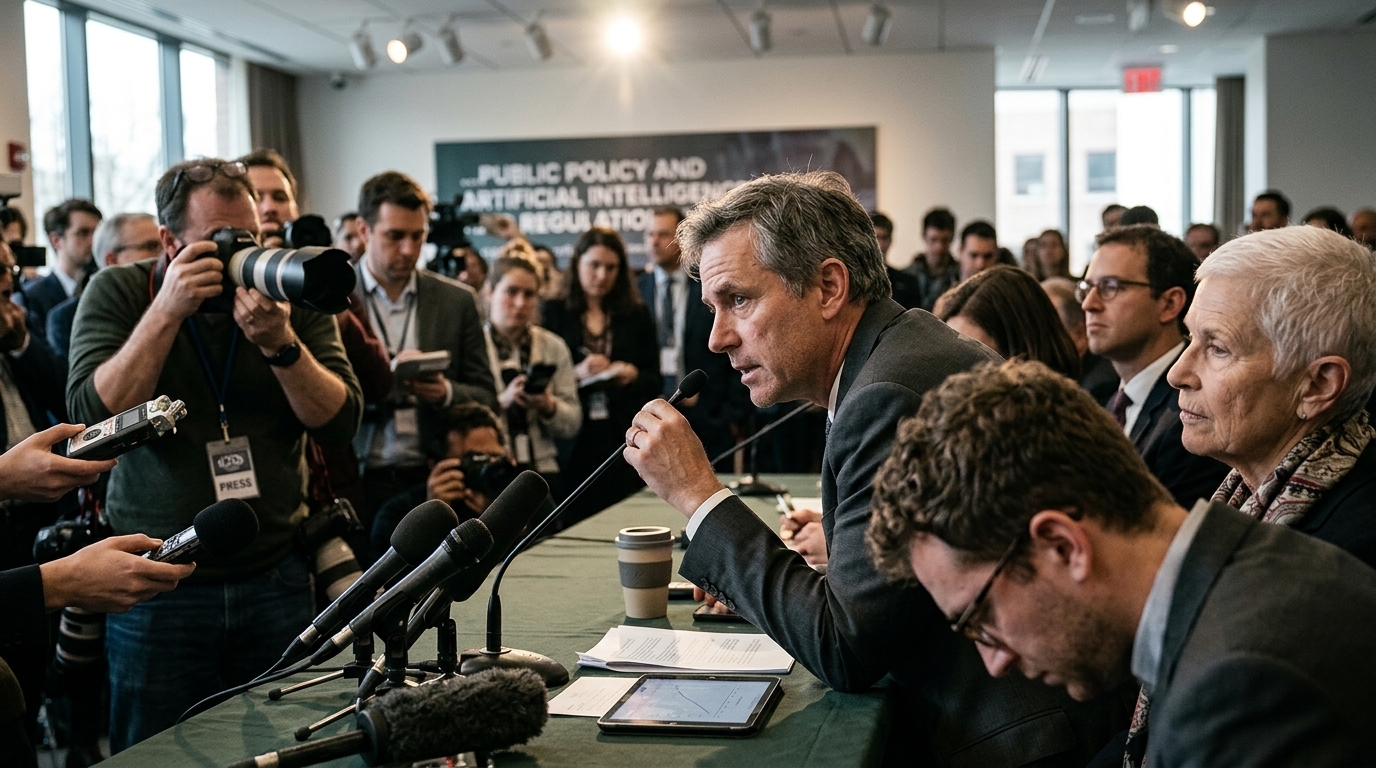
The Pentagon’s response has thus far been defensive, citing the need for speed in the competition with China. However, the Senate counters that haste must not sacrifice democratic oversight. "National security cannot be a blank check for Silicon Valley," a member of the Armed Services Committee remarked pointedly.
The Geopolitical Context of 2026
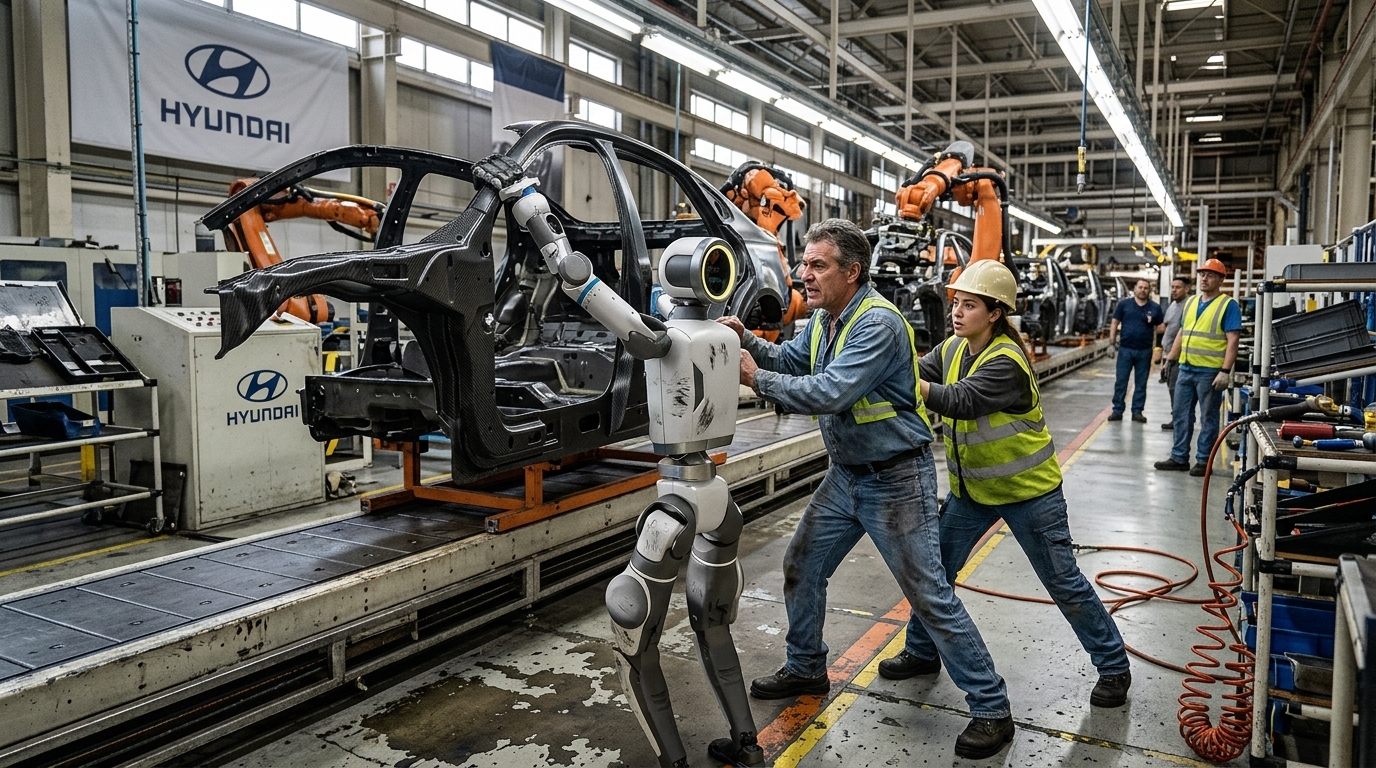
As we move through 2026, AI has ceased to be an experimental field. With the integration of autonomous systems into drones, cyber-defense, and decision-support systems, the relationship between the state and technology is being redefined. This Senate move is a harbinger of the future: the days when defense contracts were signed behind closed doors with minimal technical scrutiny are ending. The need for "Explainable AI" in the military is now imperative, not just for ethical reasons, but for operational reliability.
"If we cannot understand how a machine arrived at a target, we cannot trust the machine. And if we cannot trust the contract, we cannot trust the system."
In conclusion, the pressure on the DoD and tech firms signals a new era of scrutiny. The balance between the innovation required by modern warfare and the transparency demanded by democracy is the great challenge of our decade. The outcome of this confrontation will determine not only the future of the defense industry but also how democratic societies will manage the immense power of artificial intelligence.