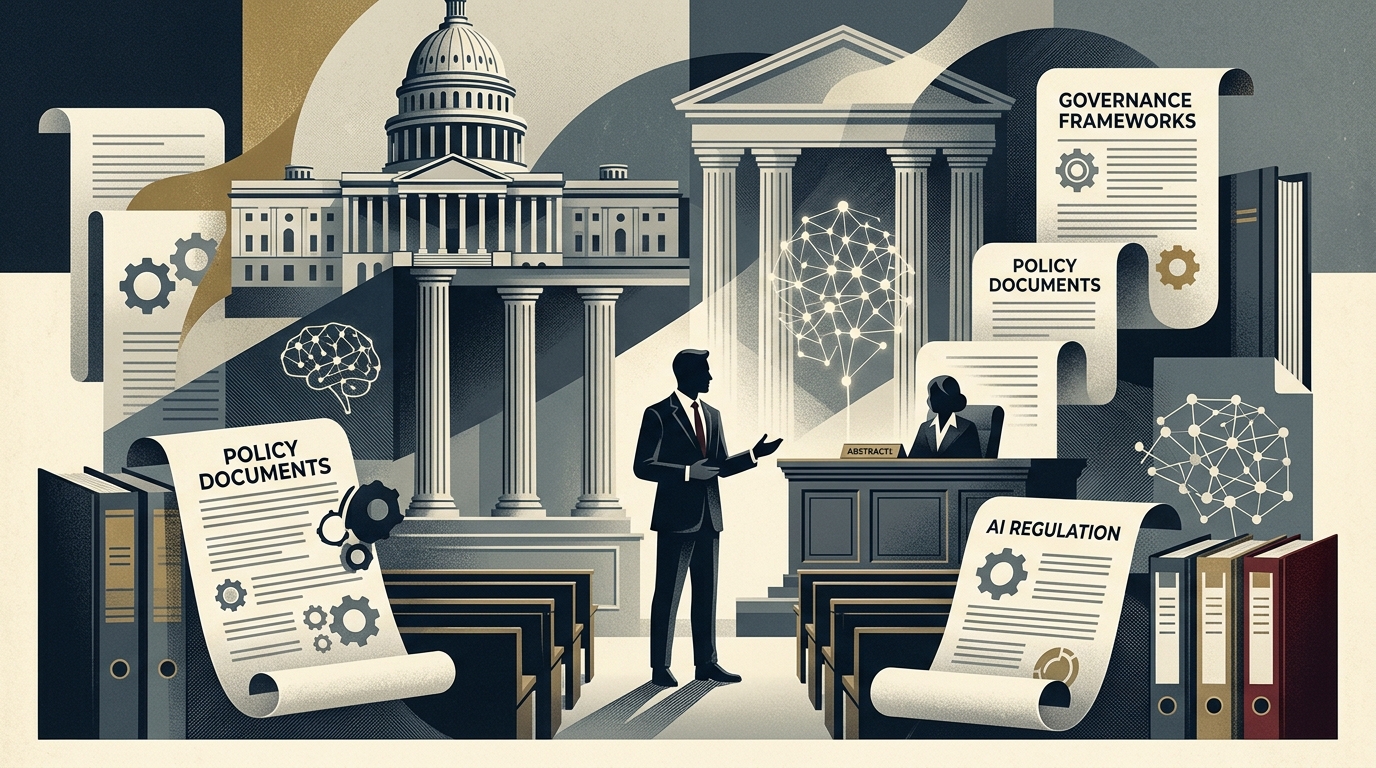
The history of modern technology is often written in private boardrooms, but its consequences are now being adjudicated in courtrooms and regulatory chambers. The news that Satya Nadella, the man who transformed Microsoft from a stagnant software giant into an unstoppable AI powerhouse, is set to testify regarding his role in the founding and evolution of OpenAI, marks a pivotal moment for the industry. This is not merely a legal formality; it is a profound investigation into the power architecture that will define the 21st century.
The Strategy of 'Quiet' Dominance
When Microsoft first invested $1 billion in OpenAI in 2019, many viewed the move as a risky bet on a non-profit organization with an uncertain future. However, under Nadella’s leadership, Microsoft wasn't just buying shares; it was purchasing a front-row ticket to a revolution. Nadella’s testimony is expected to shed light on how deep Microsoft’s involvement was during OpenAI’s early transition from a research lab to a commercial juggernaut. Regulators, particularly the FTC in the US and equivalent bodies in the EU, are examining whether this relationship constitutes a "merger in disguise," allowing Microsoft to control an innovative force without undergoing the rigorous scrutiny required for a full acquisition.
The November Drama and the Role of the Guarantor
A central point of the testimony will undoubtedly be the events of November 2023, when OpenAI’s board abruptly fired Sam Altman. In those 48 hours of chaos, Nadella acted as the de facto "fixer" of the ecosystem. The speed with which he offered sanctuary to Altman and the entire OpenAI team at Microsoft revealed the true nature of the interdependence between the two entities. For critics, this move proved that OpenAI is no longer an independent entity but an annex of Redmond. Nadella will be asked to explain how a company that owns 49% of another's profits, yet claims no control, can intervene so decisively in its internal governance.
Antitrust Challenges and the Future of Competition
The testimony comes at a time when anti-Big Tech rhetoric is intensifying. The question looming over Silicon Valley is whether the Microsoft-OpenAI partnership stifles innovation by restricting access to computing resources (cloud computing) and talent. Microsoft provides the essential Azure infrastructure to OpenAI, creating a closed loop that makes it difficult for smaller players to compete.
- OpenAI’s structural dependence on Microsoft’s Azure cloud.
- Microsoft’s access to OpenAI’s source code and proprietary models.
- Nadella’s influence on Sam Altman’s strategic decisions.
- The impact of the partnership on AI service pricing for global enterprises.
"We don't build technology for technology's sake. We build it to democratize access to intelligence," Nadella has stated in the past.
However, regulators wonder if this "democratization" is contingent upon subservience to the Microsoft ecosystem. The testimony will pressure Nadella to define the boundaries between healthy collaboration and monopolistic behavior. In a world where AI is becoming the operating system of society, who controls its creators is a matter of national and global security.
Conclusion: A New Era of Accountability
Satya Nadella’s appearance before authorities is not the end of the road, but the beginning of a new era of accountability for tech leaders. As AI integrates into every facet of human activity, its architects can no longer operate in the shadows of corporate secrecy. This testimony will set a precedent for how future tech alliances are treated, determining whether innovation will remain open or be confined within the golden cages of corporate interests.