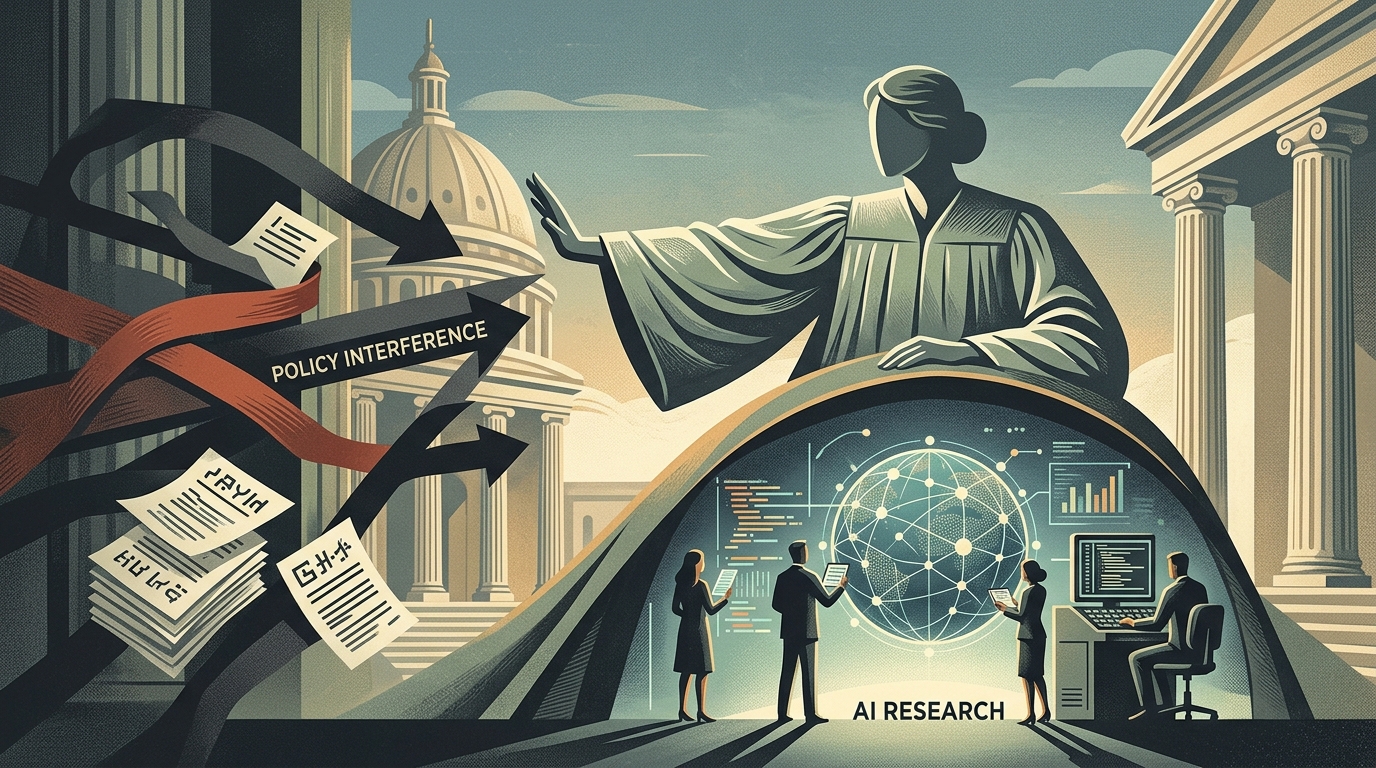
The promise was simple and alluring: a single digital gateway that would allow any citizen, from New York to California, to book a campsite or a hiking permit in the iconic National Parks of the United States. Recreation.gov was built to modernize bureaucracy and democratize access to the wilderness. However, as an extensive investigation reveals, reality is far from the ideal. What started as a convenience tool has evolved into a controversial ecosystem where bots reign supreme, prices rise, and a private consulting firm collects hundreds of millions of dollars from public resources.
The Privatization of Access: The Booz Allen Hamilton Model
At the heart of the controversy lies the contract between the US federal government and Booz Allen Hamilton, a giant defense and technology consulting firm. Instead of the government paying the firm to build and maintain the platform, a "transaction fee" model was adopted. This means Booz Allen is not paid a fixed amount but keeps a share of every reservation, every lottery entry, and every permit issued through the site.
This incentive structure is problematic for many analysts. The more "transactions" occur, the more the company earns. For example, in popular locations where demand exceeds supply, the system uses lotteries. Even if a citizen does not win the permit, the lottery entry fee—which is often non-refundable—largely ends up in the company's coffers. According to court documents and investigations, Booz Allen Hamilton has collected over $140 million in just a few years, an amount many consider disproportionate to the service provided, especially when it concerns access to public lands owned by taxpayers.
"Access to nature should not depend on who has the fastest internet or who can pay hidden fees to a Wall Street firm," say public lands activists.
The Bot War and Digital Inequality
One of the biggest complaints from users is the speed at which reservations disappear. During the "golden" hours of bookings, campsites in places like Yosemite or Yellowstone sell out within fractions of a second. This is largely due to the use of bots—automated code scripts designed to "hit" the system faster than any human hand could.
Despite the platform's assurances that it is taking measures against bots, the secondary market is thriving. Third-party services exist that, for a fee, notify users of cancellations or even promise to secure reservations. This creates a two-tier system: on one side, the technologically savvy and financially well-off who can bypass obstacles, and on the other, ordinary families faced with a permanent "Sold Out" sign.
Furthermore, the exclusively digital nature of the system excludes communities with limited internet access or seniors who are not familiar with complex booking processes. The "digital gateway" has become, for many, a digital wall.
Legal Resistance and the Future of Public Services
The situation has led to legal action. A class-action lawsuit challenged the legality of the fees imposed by Booz Allen, arguing that these fees essentially constitute an illegal "tax" not authorized by Congress. While the legal battles continue, the case has highlighted a broader debate about how public services are outsourced to private entities.
The question being asked is whether the convenience of a well-designed app is worth the loss of public control. The experience of Recreation.gov serves as a warning to other countries—including European ones—considering the digitization of access to national parks and monuments. Technology should be the means to facilitate access, not a mechanism for extracting profit from a public good.
Key Structural Failures
The failure of Recreation.gov isn't just a technical glitch; it's a policy failure. By framing public land access as a market transaction rather than a civic right, the system naturally favors those with the most capital—be it financial or technological. To fix this, experts suggest a return to government-managed infrastructure or at least a transparent, fixed-cost contract that removes the profit motive from every click.
- Reliance on private contractors for essential public services poses transparency risks.
- Lottery systems must be fair and not act as revenue streams for corporations.
- Combating bots requires constant investment, which often conflicts with profit maximization.
- Access to nature remains a fundamental right and should not be turned into a luxury product.