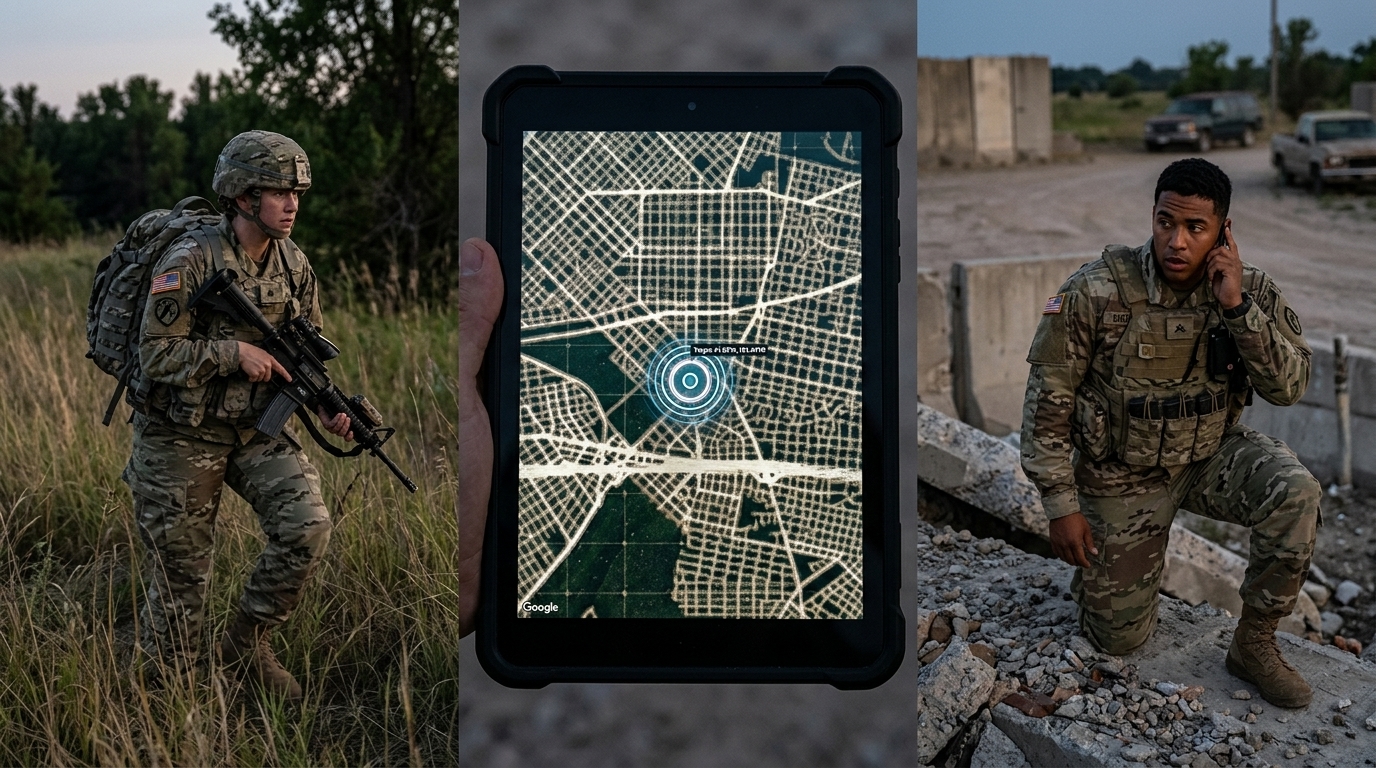
In the theater of modern warfare, the most lethal weapon isn't always a hypersonic missile or a stealth drone; it is the ubiquitous smartphone tucked into a soldier's pocket. A damning report from Wired has unveiled a systemic failure within the U.S. Department of Defense: for years, the Pentagon was acutely aware that adversaries could track troop movements via commercial app data, yet it failed to implement basic safeguards. Today, that negligence is being measured in lives lost and operations compromised from Eastern Europe to the Levant.
The Strava Incident: A Warning Ignored
The alarm bells first rang in 2018. Strava, a popular fitness-tracking app, released a global "heatmap" of user activity. While intended to show popular running routes, it inadvertently mapped the precise perimeters and internal layouts of secret U.S. military outposts in Afghanistan, Syria, and Djibouti. The glowing silhouettes of soldiers jogging around classified facilities became a public spectacle, proving that digital exhaust could compromise even the most secure physical locations.
Despite the high-profile nature of the Strava leak, the Pentagon's response was characterized by bureaucratic inertia. While minor policy tweaks were made, such as restricting fitness trackers in certain areas, the broader issue of smartphone geolocation remained largely unaddressed. The military leadership struggled to balance the operational necessity of security with the personal freedoms and expectations of a modern, connected volunteer force.
The Data Broker Loophole
The vulnerability extends far beyond social media or fitness apps. The core of the problem lies in the shadowy industry of data brokers—companies that harvest location data from thousands of seemingly mundane apps, ranging from weather updates to casual games. This data is then bundled and sold on the open market. Foreign intelligence services, including those of Russia and China, have recognized that they don't need to plant a mole inside a base when they can simply purchase the GPS history of every device within its coordinates.
"We have entered an era where espionage has been commodified. You don't need a high-level asset to track a general; you just need a credit card and access to the right data stream," noted a former intelligence officer.
This "democratization of surveillance" means that even non-state actors and insurgent groups can gain access to sophisticated intelligence. By cross-referencing location data, adversaries can identify a soldier's home address, their daily commute, and the specific buildings they frequent within a military installation, effectively stripping away the veil of anonymity that operational security (OPSEC) is designed to provide.
A Failure of Policy and Vision
The question remains: why did the world's most advanced military allow this vulnerability to persist? The answer is a lethal mix of technological illiteracy among senior leadership and an outdated focus on communication content rather than metadata. For decades, security protocols focused on encrypting what soldiers said, ignoring the fact that where they were was often more strategically significant. Furthermore, the sheer scale of the problem—equipping millions of personnel with hardened, secure devices—presented a logistical and financial hurdle that the Pentagon was unwilling to leap.
However, the cost of inaction has proven far greater. In the ongoing conflict in Ukraine, the Russian military has utilized cellular signals and app data to target Ukrainian troop concentrations with devastating artillery strikes. Conversely, Russian troops have been tracked and targeted by Ukrainian forces using the same digital vulnerabilities. The battlefield has become a transparent environment where staying hidden is nearly impossible for anyone carrying a standard commercial device.
Conclusion: The New Digital Discipline
The Pentagon's failure to secure its troops' digital footprints serves as a cautionary tale for the digital age. Security is no longer just about fences and encryption; it is about managing the constant stream of data emitted by our devices. Moving forward, the military must treat digital hygiene with the same rigor as weapons maintenance. This includes not only providing secure alternatives to commercial hardware but also pushing for aggressive regulation of the data broker industry to prevent the sale of sensitive location information to foreign entities.
As the line between the physical and digital battlefields continues to blur, the ability to control one's digital presence will become a primary determinant of success in conflict. The Pentagon knew the risks for years; the time for warnings has passed, and the era of accountability must begin.