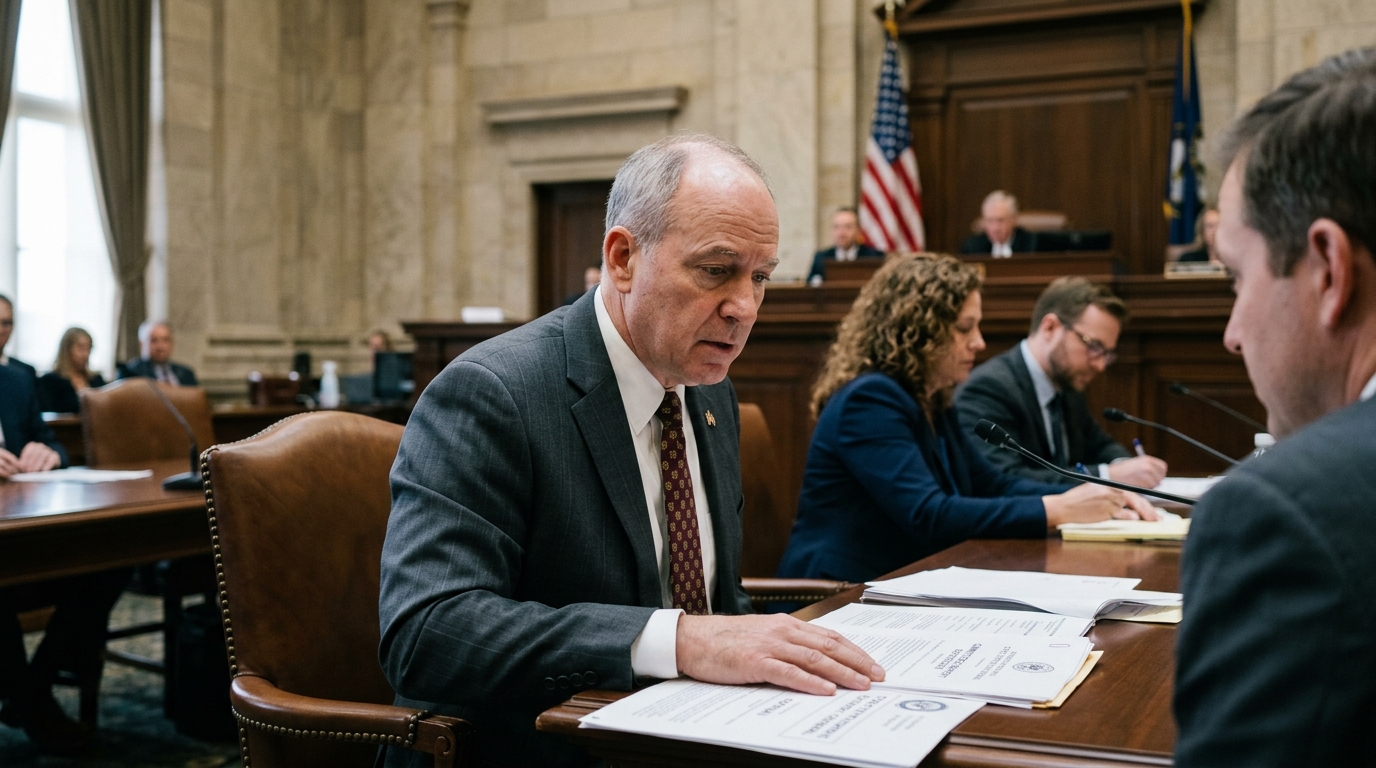
OpenAI, the organization that ignited the global generative AI revolution, is now facing one of the most formidable legal challenges in its history. According to reports from Reuters, a coalition of state Attorneys General in the United States has launched a coordinated investigation into the company’s business practices, product safety, and data handling procedures. This move signals a significant escalation in regulatory scrutiny, shifting the focus from federal oversight to state-level enforcement, where consumer protection laws are often more robust and flexible.
The Scope of Inquiry: Transparency and Public Safety
The state Attorneys General are focusing their investigation on three core pillars: data privacy, the veracity of safety claims, and potential deceptive marketing practices. OpenAI has consistently marketed its mission as developing "safe and beneficial" artificial intelligence. However, regulators are now questioning whether these altruistic statements are backed by rigorous internal safeguards or if they serve as a marketing shield for the rapid commercialization of potentially hazardous technologies.
A major point of contention involves the training data used for models like GPT-4 and the newly released GPT-5. The scraping of vast amounts of internet data without explicit consent has already led to numerous lawsuits from creators and publishers. State AGs are now investigating whether OpenAI violated consumer protection statutes by downplaying the risks of "hallucinations"—the generation of false or misleading information—and the potential for sensitive personal data to be inadvertently leaked through user interactions.
The Governance Paradox: Profit vs. Mission
Another critical aspect of the probe concerns OpenAI’s unique corporate structure. The shift from a pure non-profit to a "capped-profit" entity has been a source of both internal turmoil and external skepticism. Prosecutors are examining whether this transition fundamentally altered the company's commitment to prioritizing human safety over investor returns. The multi-billion dollar partnership with Microsoft is a focal point of this inquiry.
Regulators are seeking to understand if OpenAI maintains the necessary independence to make safety-first decisions when under intense commercial pressure to integrate AI into Microsoft’s product ecosystem. This investigation could potentially unearth internal communications related to the 2023 firing and subsequent rehiring of CEO Sam Altman—an event many analysts view as the moment commercial interests definitively triumphed over ethical governance. If the probe reveals that safety concerns were sidelined for market share, OpenAI could face massive fines and court-ordered structural changes.
Broader Regulatory Context and the Future of AI
This multi-state investigation does not occur in a vacuum. It aligns with global trends, such as the implementation of the EU AI Act and tightening regulations in China and the UK. If the U.S. Attorneys General succeed in forcing greater transparency or imposing significant penalties, it could set a legal precedent that impacts the entire industry, including competitors like Google's DeepMind and Anthropic.
In conclusion, OpenAI is at a crossroads. Its ability to convince regulators that its technology is both manageable and safe will dictate not only the company's trajectory but also the pace of AI integration into global society. The "Wild West" era of AI development appears to be ending as the law finally begins to catch up with technological acceleration. The outcome of this investigation will likely define the parameters of AI governance for the next decade.