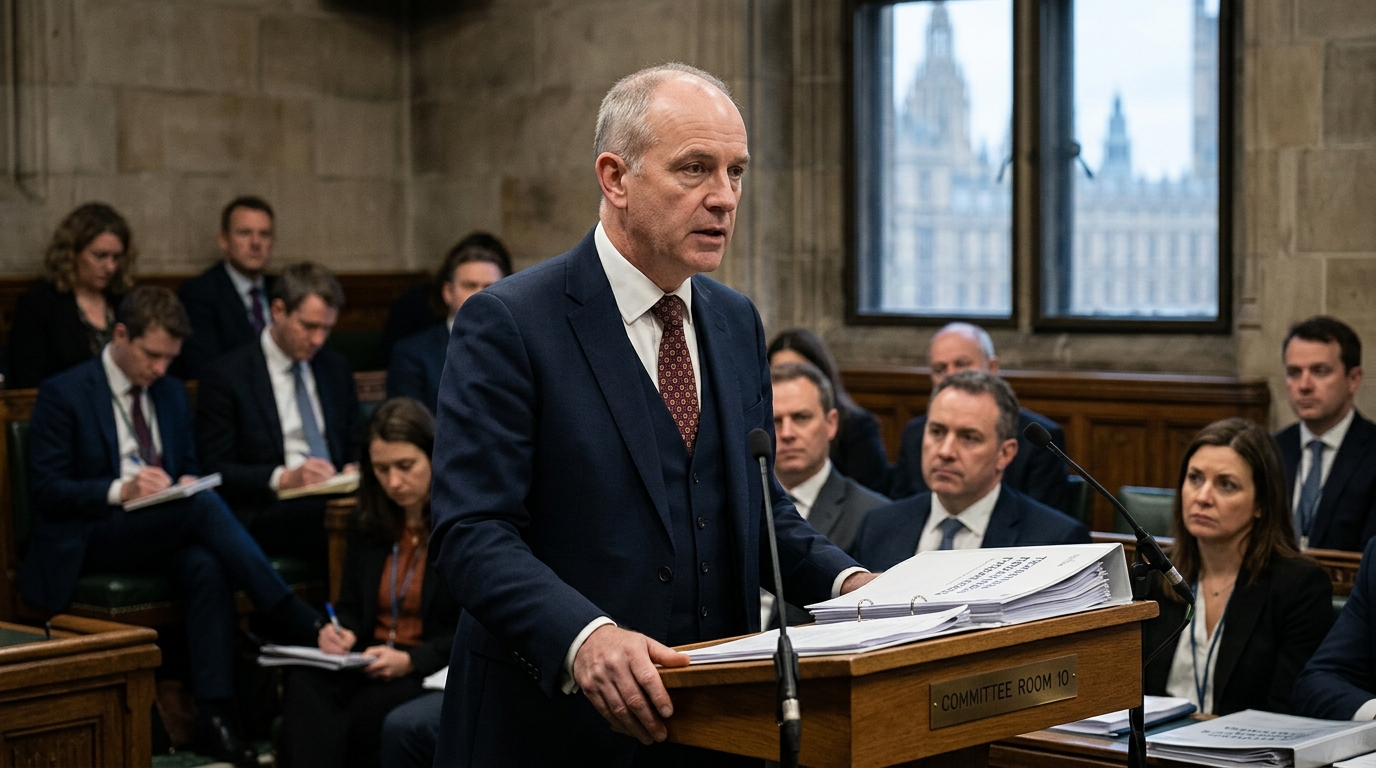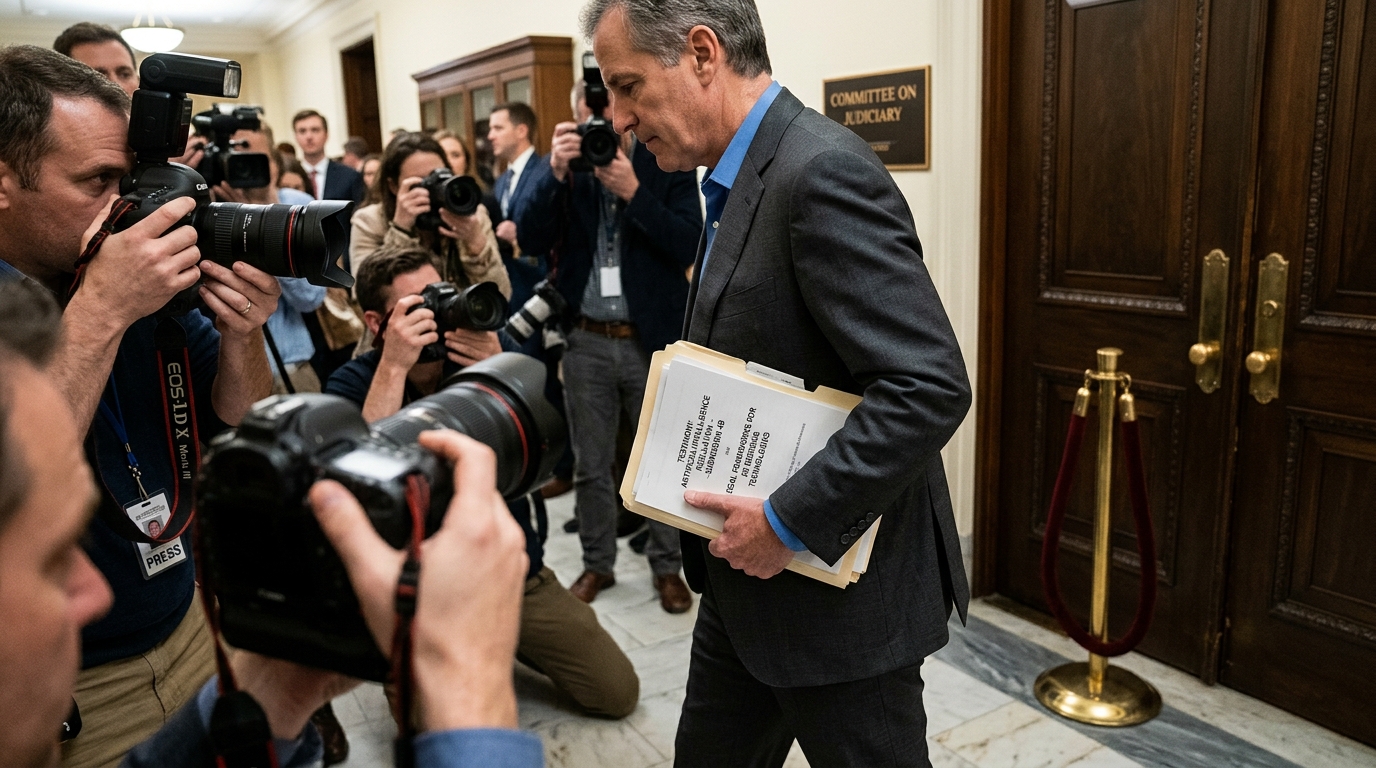
In the heart of San Francisco, a courtroom has become the stage for an ideological and legal clash that could reshape the trajectory of human civilization. The OpenAI trial, initiated by Elon Musk’s lawsuit against the company he helped co-found, has reached the critical juncture of concluding witness testimonies. With closing arguments scheduled for Thursday, the legal world and the technology industry are collectively holding their breath.
A Clash of Visions: From Altruism to Capitalism
The case centers on a pivotal allegation: that OpenAI betrayed its original mission to develop Artificial General Intelligence (AGI) for the benefit of humanity, choosing instead a path of profit and exclusive partnership with Microsoft. Musk contends that the 2015 "founding agreement" envisioned a non-profit organization that would share its code with the world. OpenAI’s defense, conversely, argues that no formal written contract ever existed and that the shift to a "capped-profit" model was a pragmatic necessity to secure the billions of dollars required for computational power.
During the final days of the hearing, internal emails were introduced as evidence, revealing intense friction between the founders. Witnesses described an environment where the pressure to achieve AGI often overshadowed initial commitments to transparency. Sam Altman’s testimony was particularly revealing; he defended the company’s strategy, emphasizing that "the mission remains the same, but the means to achieve it had to evolve" to meet the reality of the AI arms race.
The Legal Enigma of the 'Founding Agreement'
The legal weight of the case rests on whether promises made during a company's formative stages constitute binding contracts. Musk’s legal team has attempted to prove that his investments and participation were predicated on these specific assurances. Should the court rule in Musk's favor, the consequences for OpenAI could be catastrophic, potentially forcing the organization to open-source its most advanced models, such as GPT-4, or sever its deep-rooted ties with Microsoft.
- The interpretation of the term "Open" in the company’s name.
- The legality of the transition from non-profit to for-profit status.
- Microsoft’s role as a de facto controlling entity.
- The safety of AGI and who holds the right to govern its release.
For its part, OpenAI argues that Musk is attempting to weaponize the judicial system to sabotage a competitor, citing his own AI venture, xAI. Musk’s rhetoric about "saving humanity" is dismissed by the defense as a smokescreen for corporate vendetta and personal grievance.
Implications for the AI Ecosystem
Beyond the high-profile personalities involved, this trial serves as a landmark for how tech companies will be governed in the future. If a non-profit mission can be so easily bypassed, what is the value of ethical commitments in Silicon Valley? Global regulators are monitoring the case closely, as the verdict may provide the impetus for stricter legislation regarding the governance and accountability of AI systems.
"We are not just putting a company on trial; we are putting the promise we made to the future on trial," stated one of Musk’s legal advisors outside the courthouse.
Thursday will be a day of reckoning for the rhetorical prowess of the attorneys. Closing arguments will seek to synthesize thousands of pages of documents into a narrative compelling enough to sway the judge. Whether OpenAI is vindicated or not, the trial has already exposed the vulnerabilities of the "philanthropic" approach to cutting-edge technology, proving that when trillions of dollars are at stake, terms like "open" and "for the common good" are subject to radical reinterpretation.