In a watershed moment for the artificial intelligence industry, OpenAI has announced a radical shift in its distribution policy for its flagship products. The company, which once launched with a vision of open access for the benefit of humanity, is now fully aligning with the United States' national strategy, imposing strict restrictions on the use of its latest ChatGPT iterations. According to recent reports, access to its most advanced tools will now be reserved for customers who have received approval from the Trump administration, following an extensive cybersecurity review process.
The 'National Interest' Strategy
This decision is no surprise to Silicon Valley observers. As AI evolves from a productivity tool into a strategic global asset, the need to control its proliferation has become paramount. OpenAI, under the leadership of Sam Altman, appears to have embraced the role of a "national champion." The new restrictions aim to ensure that cutting-edge capabilities—specifically those involving automated code synthesis, cryptographic analysis, and strategic decision-making—do not fall into the hands of adversaries or rogue actors.
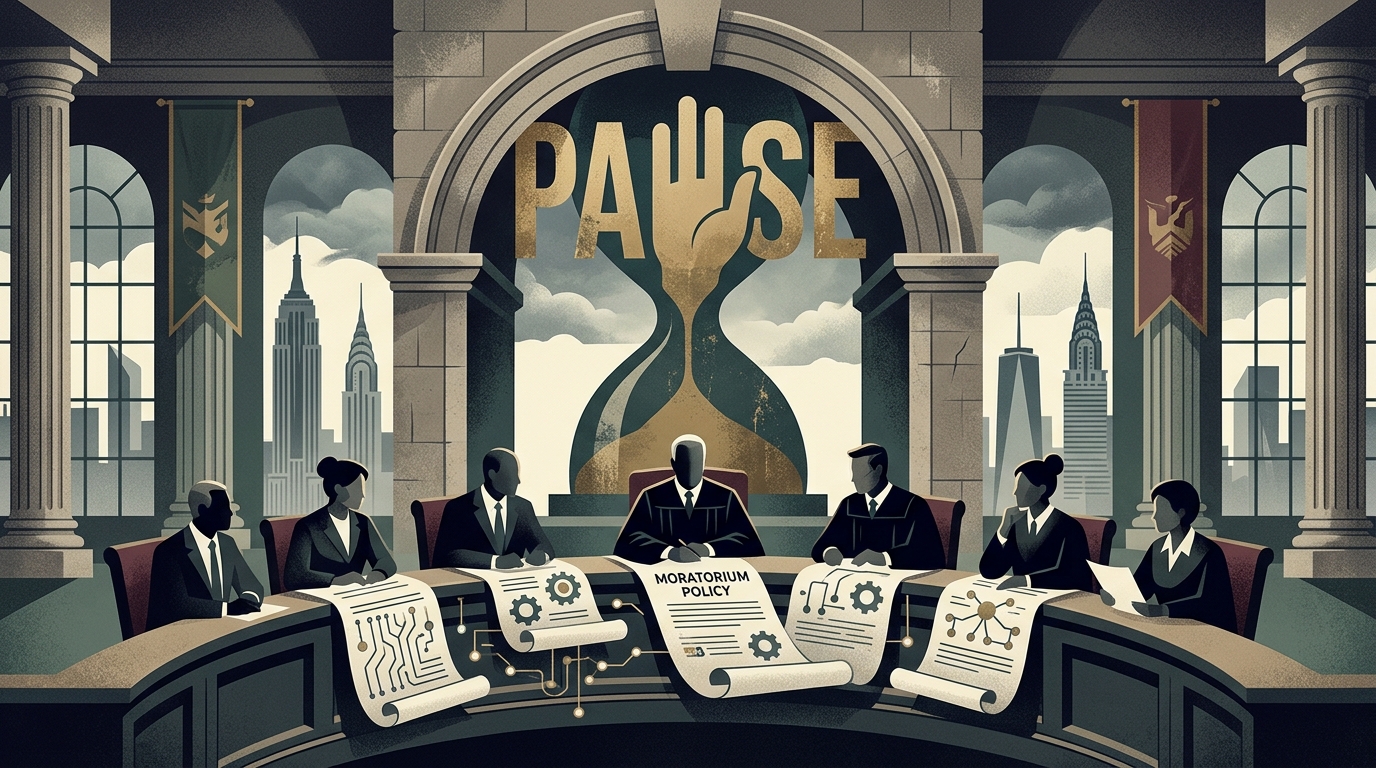
The cybersecurity review cited by the company acts as a "filter" that categorizes users based on trust. In practice, this means that major American corporations, government agencies, and selected allies will have priority access, while the broader developer community and international users will remain on older, less capable versions of the model. This hierarchical access to intelligence creates a new kind of "digital apartheid," where AI power is distributed based on geopolitical and political criteria.
Political Influence and Regulatory Capture
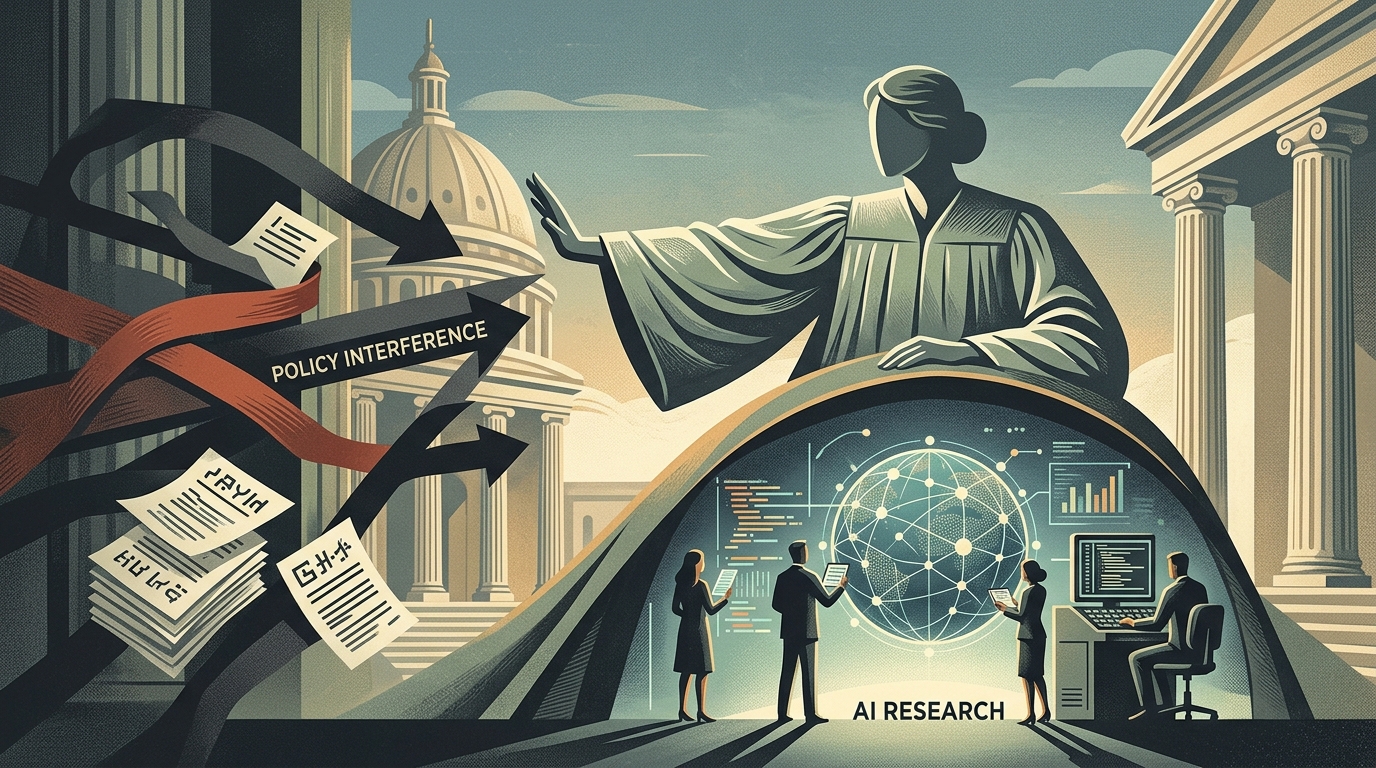
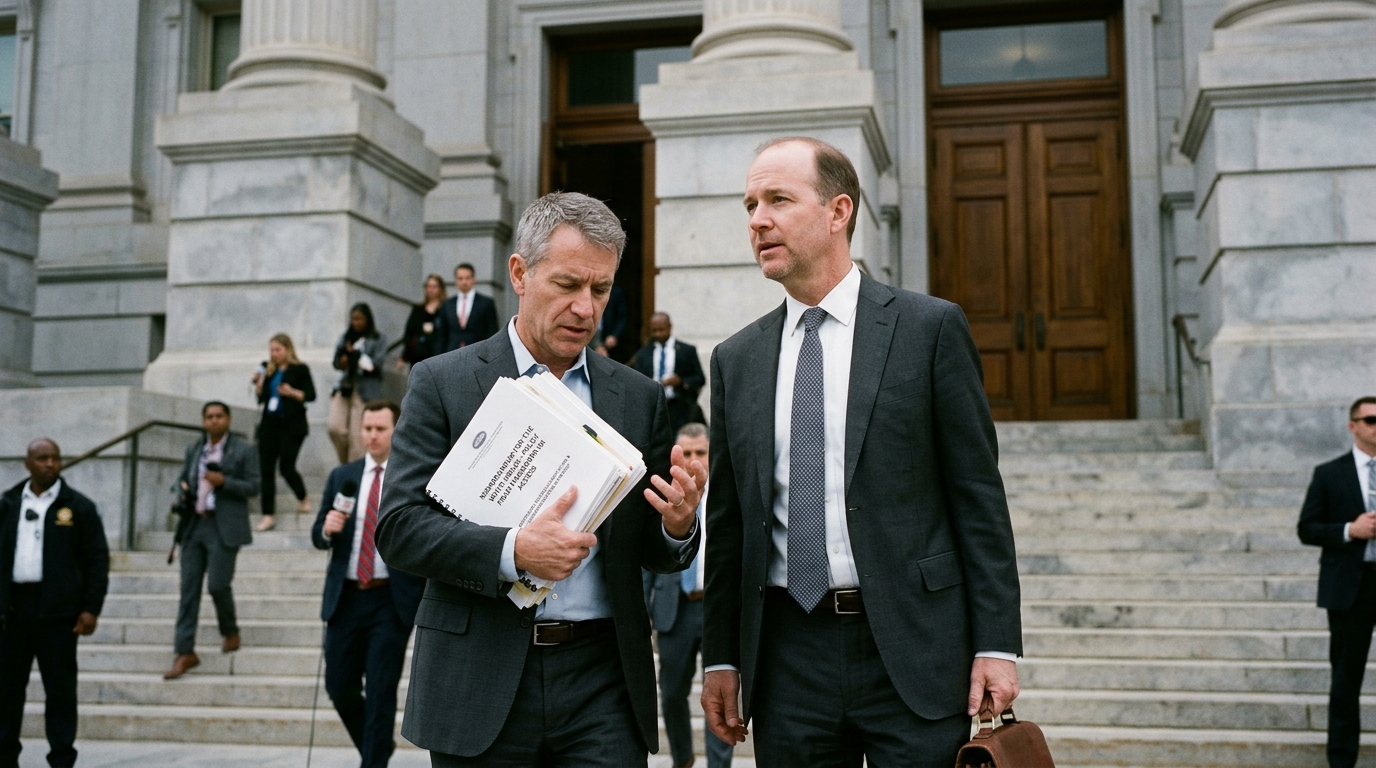
The Trump administration's involvement in the customer vetting process raises serious questions about the independence of tech giants. Critics of the decision argue that this is a form of regulatory capture, where the state dictates a private company's clientele in exchange for protection from antitrust scrutiny or the provision of federal subsidies. The "America First" rhetoric is now finding its digital application at the very core of OpenAI's algorithms.
- Restricted access to critical AI infrastructure for non-vetted entities.
- Strict oversight by the Department of Commerce and national security agencies.
- Preferential treatment for companies aligned with US national priorities.
- Risk of isolating American technology from the global open-source community.
This development marks the end of the age of innocence for AI. OpenAI is transitioning from a research-oriented entity into an organization operating under the shadow of state security. The vetting process is no longer just about the technical integrity of the systems, but also about the political reliability of the users. While this move may fortify the US in the short term, it could accelerate the development of competing models in China and Europe as the rest of the world seeks alternatives not subject to an American veto.
"Artificial intelligence is now too powerful to be left solely to market forces. National security demands a new architecture of trust," sources close to the White House stated.
Economic and Social Implications
For the market, this move creates a new landscape of uncertainty. Startups relying on OpenAI’s API now face the fear of a sudden loss of access if they do not meet "security criteria." At the same time, OpenAI’s valuation increases in the eyes of institutional investors who see it as an irreplaceable partner of the American state. The convergence of interests between Silicon Valley and Washington D.C. is now complete, with ChatGPT serving as the first major "locked" product of this new era.
On a social level, this decision reinforces the sense that technological progress will not be equitable. If access to top-tier knowledge and processing power requires political certification, then the democracy of information suffers a major blow. OpenAI is tasked with balancing its responsibility to its home country with its promise to the global community—a balance that seems to have tilted decisively to one side.