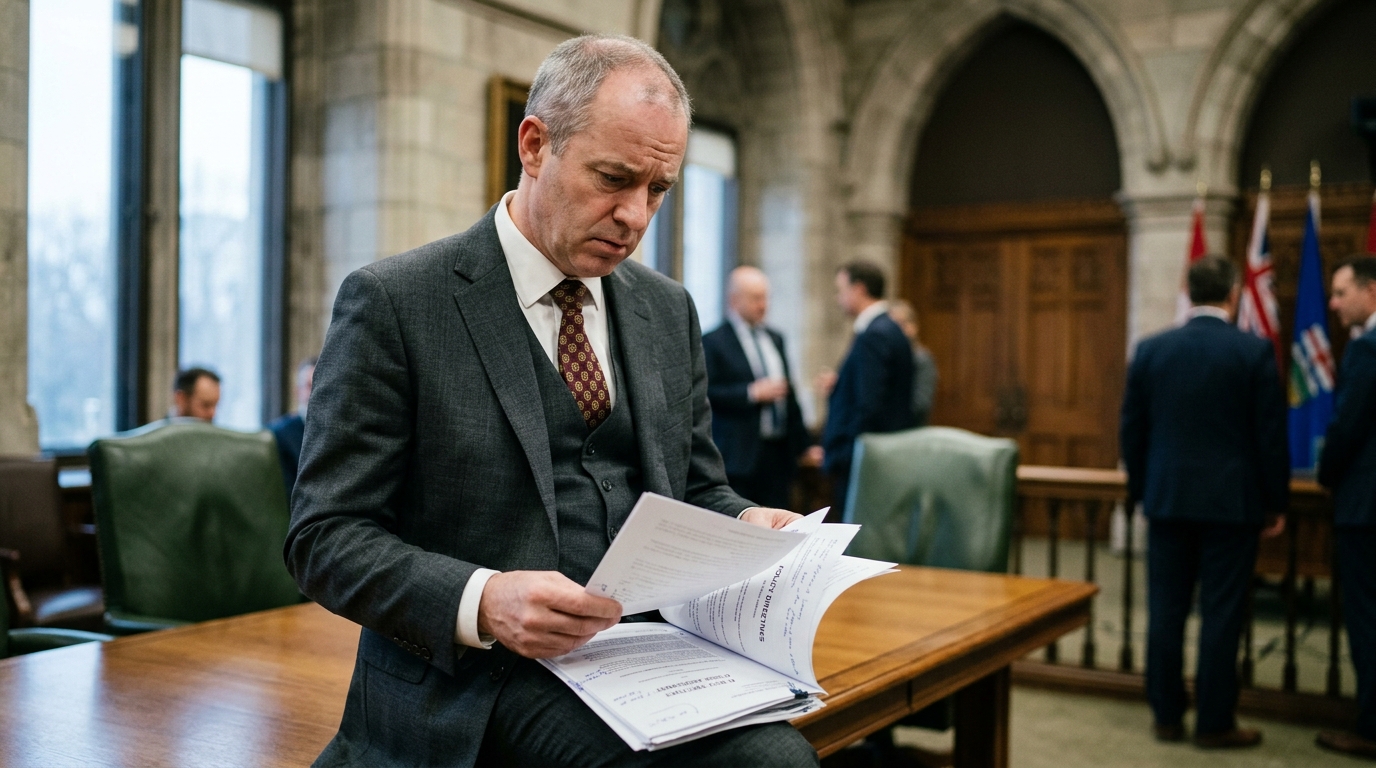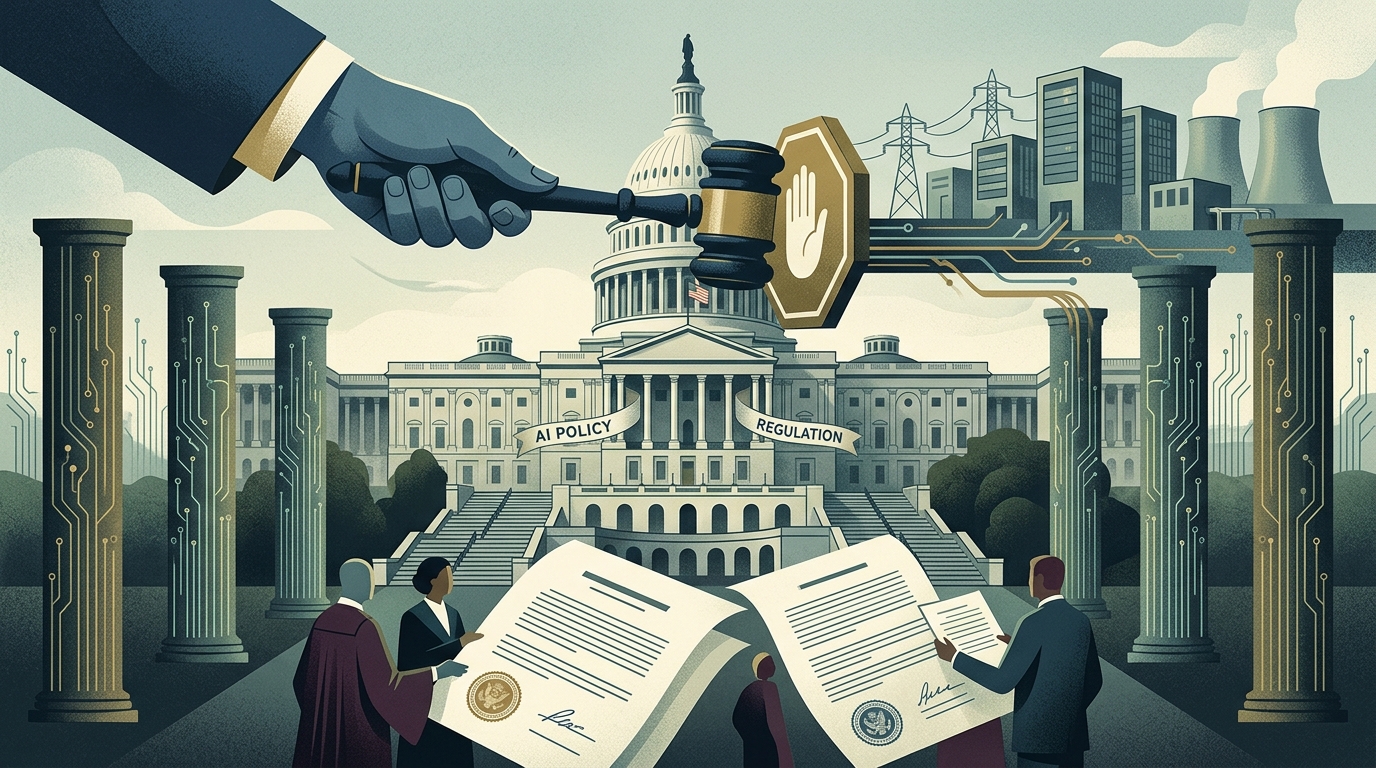
The meteoric rise of Artificial Intelligence is no longer just a matter of code and algorithms; it is becoming a high-stakes battle for Earth’s physical resources. In a move that has sent shockwaves through Silicon Valley, Representative Alexandria Ocasio-Cortez (D-NY) has officially introduced the "AI Data Center Moratorium Act." This legislative proposal seeks a temporary halt on permits for new data centers dedicated to AI training and inference until comprehensive environmental standards are established and their impact on local communities is thoroughly assessed.
The Energy Hunger of the AI Boom
The core of Ocasio-Cortez’s argument lies in the "invisible" side of the cloud. While using tools like ChatGPT or Claude feels weightless, the infrastructure supporting them consumes staggering amounts of electricity. Recent studies indicate that an AI-powered search query can require up to ten times more energy than a traditional Google search. The exponential expansion of these facilities threatens to derail U.S. Net Zero goals, as tech giants increasingly turn back to fossil fuels to meet the surging demand for 24/7 power.
Ocasio-Cortez argues that taxpayers should not be subsidizing environmental degradation. The bill specifically targets data centers built on federal land or those receiving federal subsidies. "We cannot allow the tech industry to cannibalize our future in the name of innovation," she stated during the bill's introduction, emphasizing that the climate crisis does not pause for the next software update. The legislation demands that the Department of Energy conduct a full-scale audit of the national grid's capacity to handle this new load without compromising renewable energy transitions.
Water: The Forgotten Resource in the AI Equation
Beyond electricity, water consumption has become a flashpoint in the legislative push. Data centers require millions of gallons of water daily to cool the massive server racks that process AI models. In drought-stricken regions like Arizona and Utah, the operation of these facilities often puts them in direct competition with residential and agricultural needs. The AI Data Center Moratorium Act mandates that the Environmental Protection Agency (EPA) conduct a study on the industry’s water footprint before any new construction is greenlit.
- Assessment of water consumption per unit of compute power.
- Mandatory implementation of closed-loop cooling systems.
- Increased transparency in municipal water contracts for data campuses.
Industry Pushback and the Geopolitical Stakes
Unsurprisingly, Silicon Valley and major tech trade groups have pushed back aggressively. They argue that a moratorium would place the United States at a disadvantage against global competitors like China in the race for AI supremacy. Furthermore, industry proponents claim that AI itself is a tool for climate mitigation, capable of optimizing energy grids and discovering new carbon-capture materials. They view the moratorium as a blunt instrument that could stifle the very technology needed to solve the problems AOC is highlighting.
However, Ocasio-Cortez and the bill's co-sponsors maintain that "blind" growth without a regulatory framework is reckless. The bill does not seek to ban AI but rather to impose guardrails ensuring that progress does not come at the expense of planetary health. The political battle in Congress is expected to be fierce, as the issue intersects economic growth, national security, and environmental justice. It forces a difficult conversation about the true cost of our digital life.
"Innovation without accountability is merely exploitation. We must decide if our energy will light our homes or train algorithms that often fail to serve the public good."
As the climate crisis intensifies, AOC’s proposal raises a fundamental question: How much physical cost are we willing to pay for digital convenience? The debate over the moratorium is likely just the beginning of a long negotiation regarding how technology must adapt to serve humanity and the planet, rather than the other way around. The outcome will define the environmental legacy of the AI era.