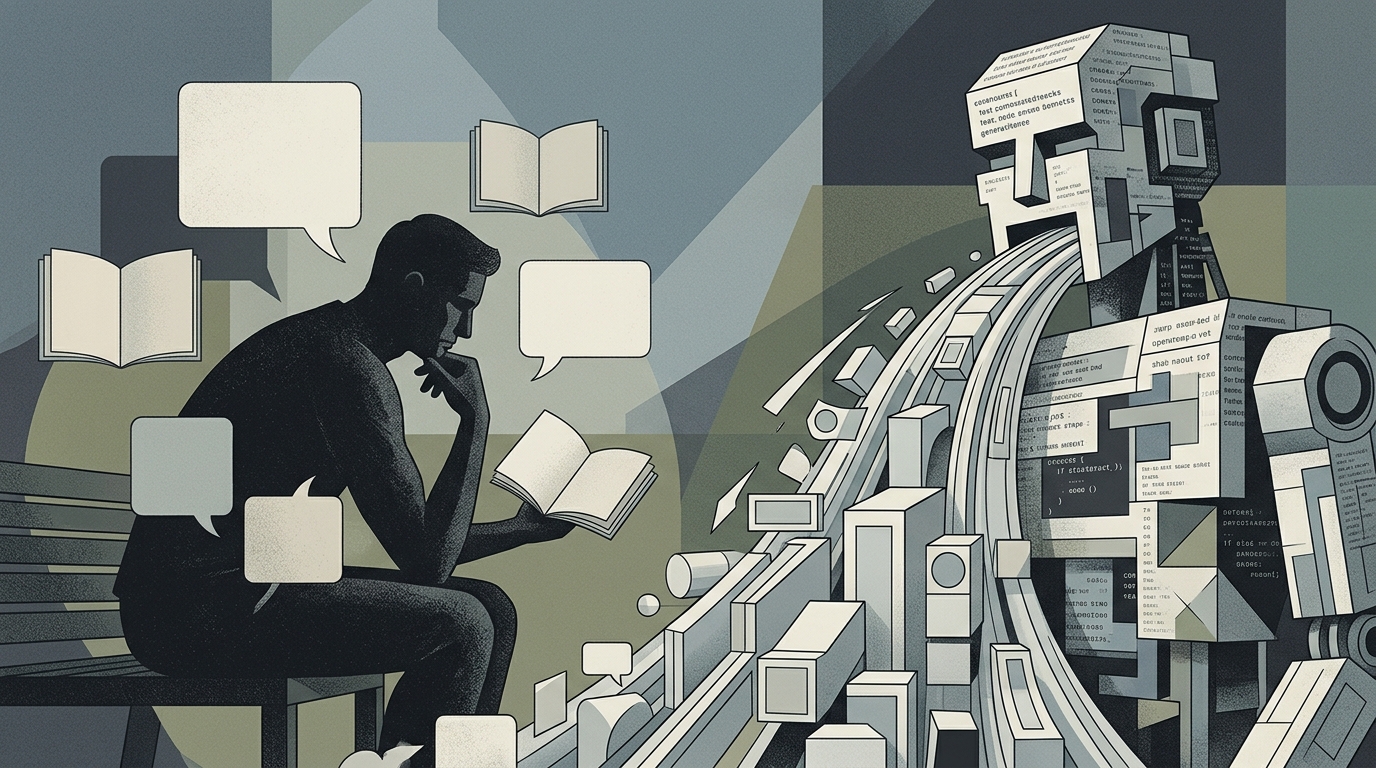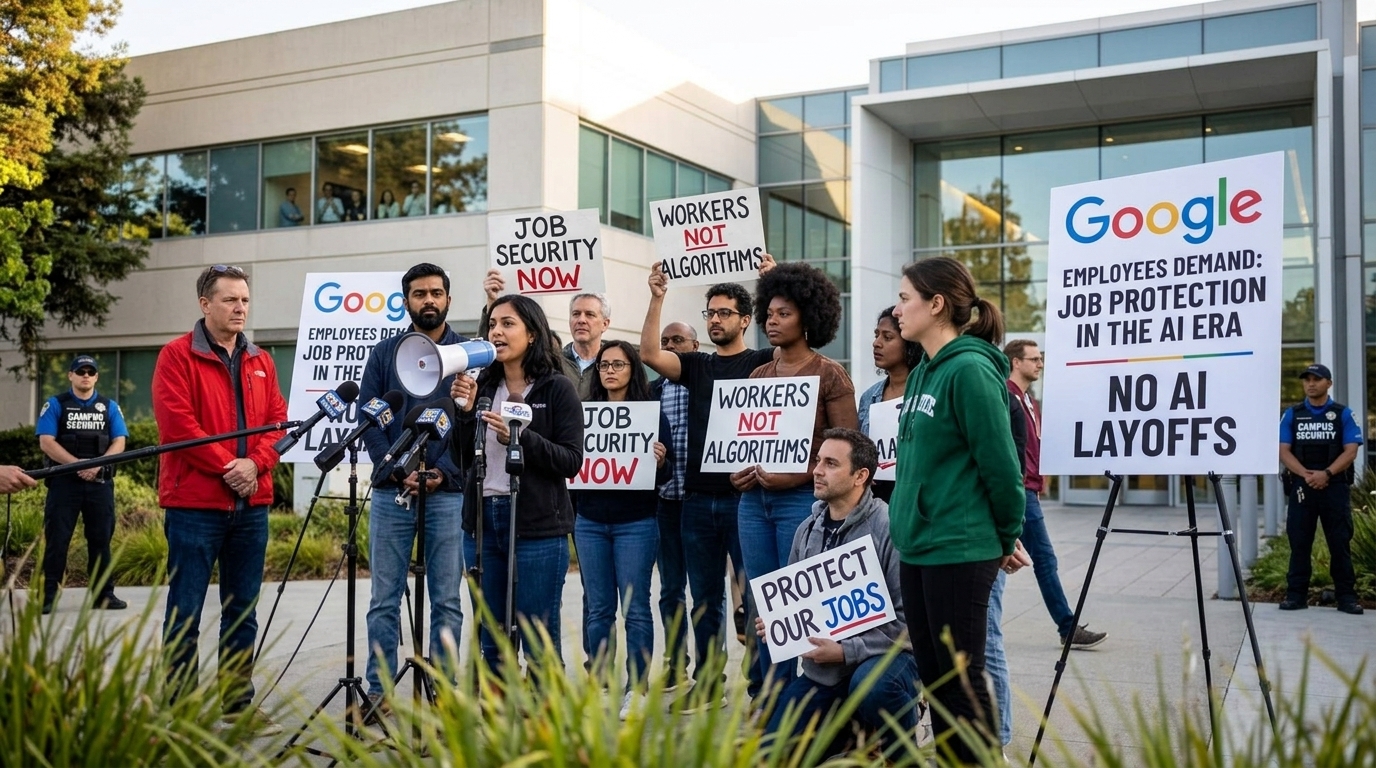
In the epicenter of Silicon Valley, where the gospel of "move fast and break things" has reigned supreme for decades, a quieter, more reflective revolution is taking hold. As Artificial Intelligence (AI) begins to automate not just manual tasks but complex cognitive functions, the architects of these algorithms are grappling with questions that code cannot answer. The emergence of faith-based co-working spaces represents the latest response to the existential uncertainty fueled by the digital transition.
The Existential Crisis of Automation
For years, the identity of tech workers was inextricably linked to productivity and innovation. However, the advent of Generative AI has shaken this confidence. If a model can write code, design system architectures, and draft legal documents, what is the unique value of the human being? This question is no longer theoretical; it is a daily lived reality for thousands of software engineers and data analysts.
These new spaces, often housed in repurposed churches or modern offices with a strong communal focus, offer something that the campuses of Google or Meta struggle to provide: a framework of meaning. Workers don’t just go there for high-speed Wi-Fi; they go for conversations regarding ethics, the purpose of labor, and the human position in a world dominated by machines.
From Silicon to Spirit: A Turn Toward Community
This trend reflects a deeper disillusionment with the "religion of technology" that promised connectivity and efficiency would solve all human ailments. Instead, loneliness and burnout are at historic highs. Faith-based co-working hubs, such as "The Gospel of Work" or similar initiatives that blend prayer with programming, offer a "functional pause."
- Ethics at the Source: Developers discuss the implications of their algorithms through the lens of religious principles like justice and human dignity.
- Psychological Support: The community acts as a safety net against the threat of AI displacement.
- Holistic Approach: Work is treated as a vocation rather than merely a means of wealth accumulation.
These spaces are not exclusively for the traditionally religious. Many participants are "spiritual but not religious," seeking ancient wisdoms—from Buddhism to Christian monasticism—to navigate the breakneck speed of technological change.
The Ethical Vacuum of Big Tech
Major tech firms attempt to integrate "ethics boards" and "responsible AI development," but these efforts often feel hollow or are constrained by the necessity of profitability. Faith provides an external reference point, an ethical anchor that is not dependent on quarterly earnings reports. As one startup founder frequenting such a space noted: "At my office, they tell me how to build something. Here, we ask if we should build it at all."
"Artificial Intelligence is a mirror. If we don’t like what we see, the fault lies not with the mirror, but with our own lack of spiritual orientation."
In conclusion, the rise of faith-based co-working spaces in Silicon Valley is not a retreat into obscurantism, but a mature reaction to the alienation of the digital age. As AI takes over the "what" and the "how" of our work, religion and philosophy are being called upon to fill the "why."