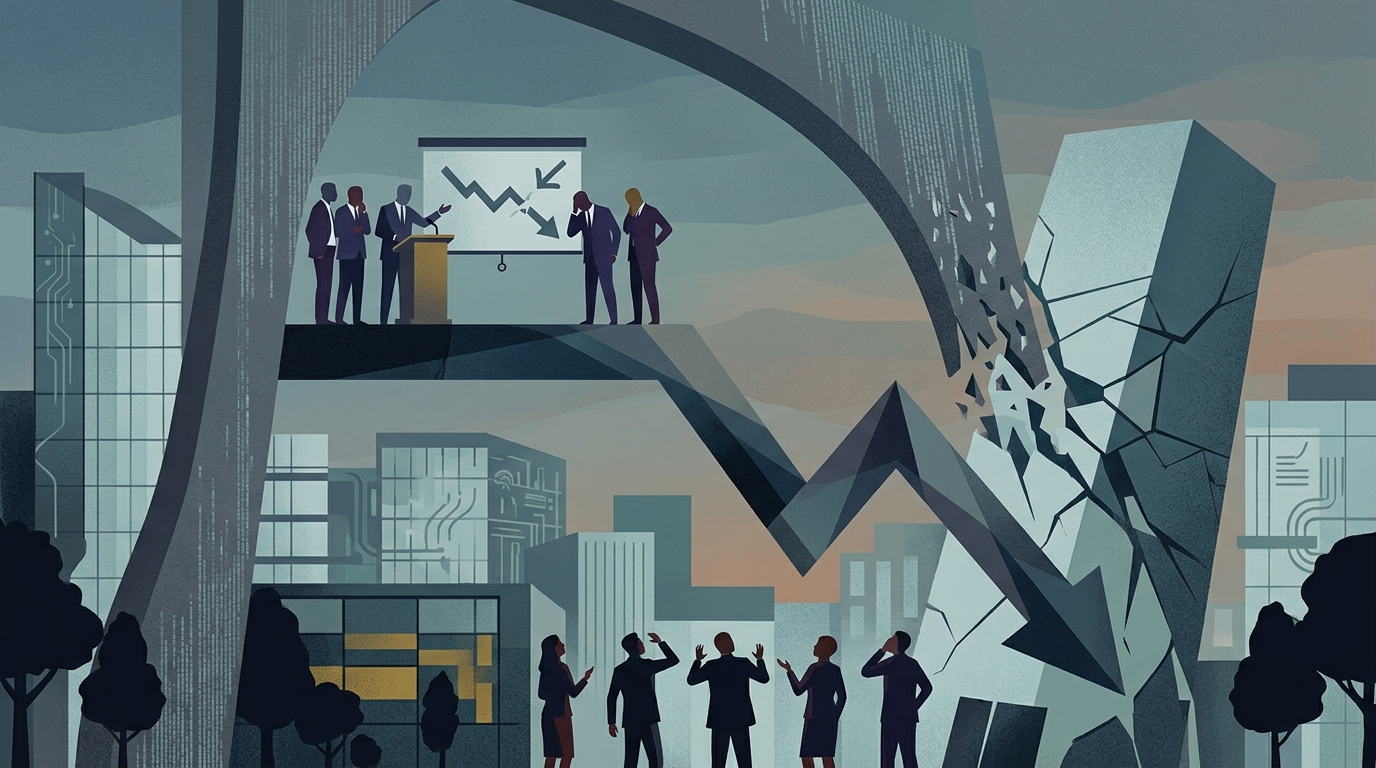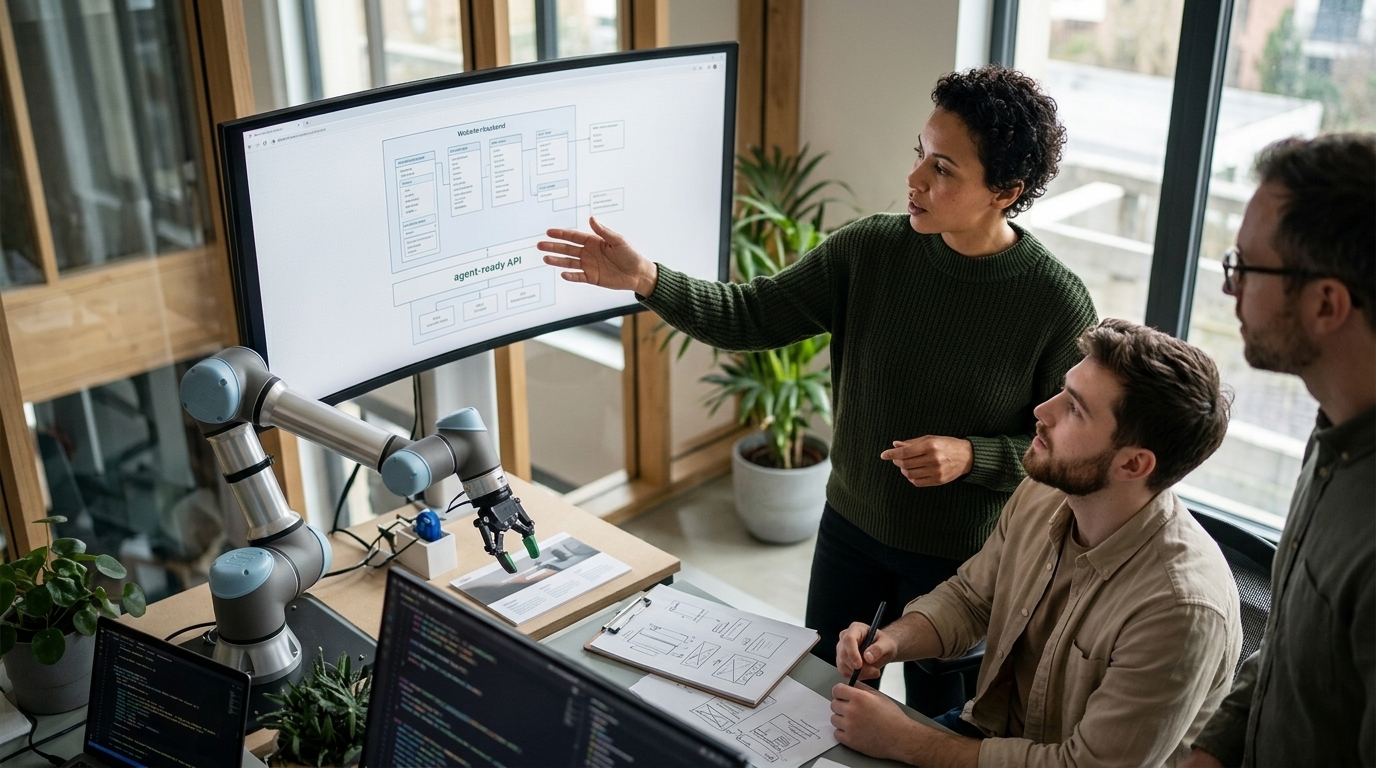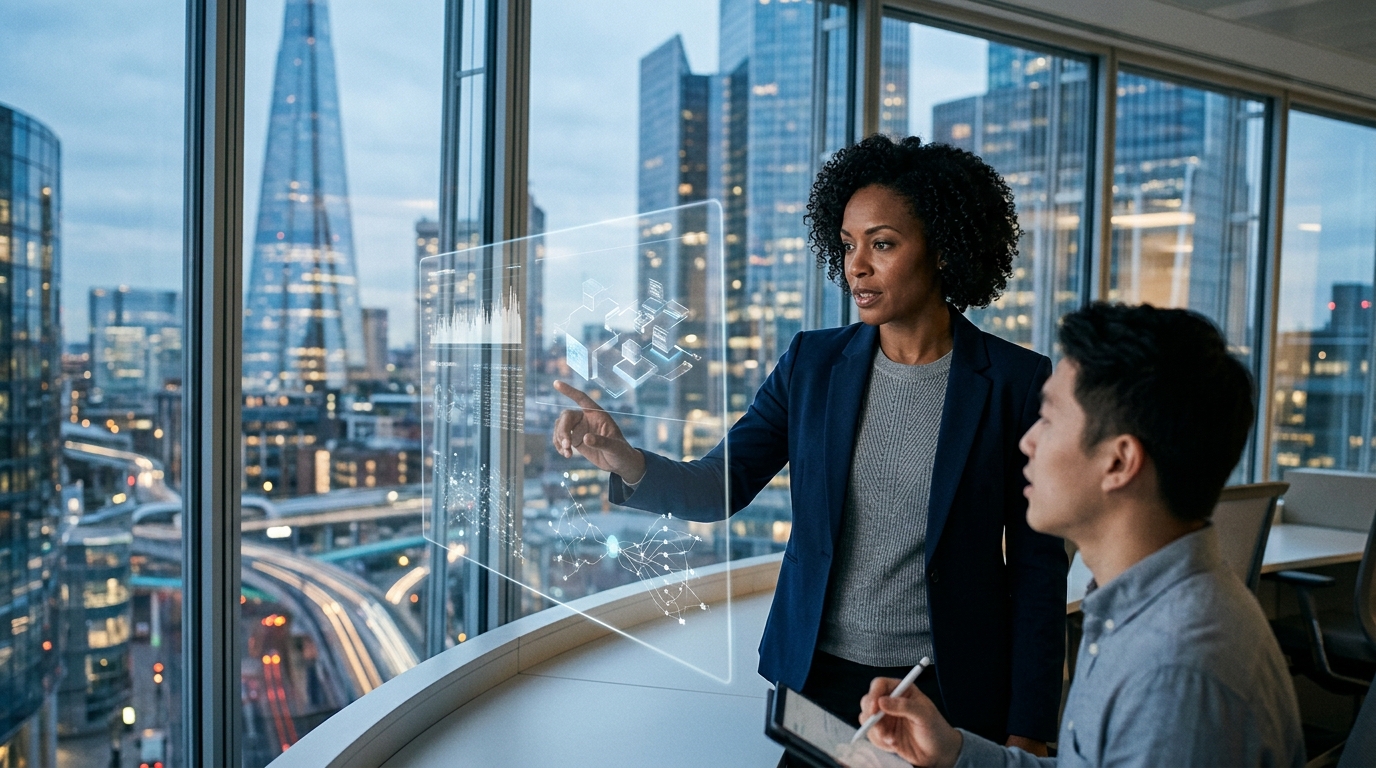
It is July 2026, and the conversation surrounding artificial intelligence has shifted from speculative wonder to deep, structural integration. We are no longer asking if AI will affect our work, but how we must redesign it from the ground up. Recent analysis from 36Kr highlights a critical truth: work in the AI era is not about improving efficiency within old models, but about creating entirely new paradigms of action.
The Transition from Knowledge Worker to Systems Architect
For decades, the "knowledge worker" was defined by their ability to process information, draft reports, and solve technical problems. Today, these activities have become commoditized. AI can generate code, legal documents, or marketing plans in seconds. The new challenge for the professional is the transition to the role of the orchestrator.
This new role requires the ability to synthesize different AI tools, ask the right questions (prompt engineering in its most evolved form), and, most importantly, maintain oversight of the final output. The worker of the future resembles an orchestral conductor more than a soloist. They must know the capabilities of each instrument (AI model) and direct them toward a unified strategic goal.
- Strategic Synthesis: The ability to connect disparate data points that AI might overlook due to a lack of context.
- Complexity Management: AI is excellent at depth, but humans remain superior in breadth and the interconnection of diverse fields.
- Ethical Oversight: Ensuring that automated decisions align with human values and legal frameworks.
The Renaissance of Human-Centric Skills
Paradoxically, the more technology evolves, the more valuable "soft skills" become. Empathy, negotiation, ethical judgment, and creative conflict resolution are areas where AI still lags significantly. In a world where technical content is generated automatically, the ability to inspire a team or understand a client's deepest needs becomes the ultimate competitive advantage.
"AI will not replace humans, but humans using AI will replace those who do not."
This phrase, though cliché, takes on new weight in 2026. Reskilling is no longer just about learning new software, but about cultivating a mindset of continuous adaptation. Work is being transformed from a static state into a dynamic learning process.
The New Corporate Structure: Leaner and More Powerful
The impact of AI is not limited to the individual; it extends to the corporate structure itself. We are seeing the rise of "solopreneurs" who, with the help of AI agents, can achieve turnover that previously required entire departments. Large companies, on the other hand, are forced to become more agile, reducing hierarchical structures and giving more autonomy to small, technologically enhanced teams.
This decentralization of power changes the social contract of work. Security no longer comes from a permanent position in an organization, but from possessing a unique combination of skills and the ability to use advanced tools. Work is becoming more "fluid," with professionals offering their specialized judgment to multiple projects simultaneously.
Practical Steps for Reimagining Your Career
To navigate this new landscape, one must start by deconstructing their current daily routine. Which tasks are repetitive? Which require pure logic, and which require emotion? Automating the former frees up time to deepen the latter. Investing in personal branding and networking also becomes critical, as human trust remains the only currency that AI cannot easily forge.
In conclusion, the AI era calls us to return to the essence of our human nature: creativity, strategic thinking, and connection. Work is not being lost; it is being transformed into something that requires fewer "hands" and more "spirit."