Norway, once the global standard-bearer for classroom digitization, is currently undergoing a radical strategic reversal. After years of intensive integration of tablets, laptops, and more recently, Generative AI tools, the government in Oslo has decided to "pull the plug." This decision is not merely an administrative shift; it is a profound pedagogical admission: excessive reliance on screens and algorithms appears to be undermining the core cognitive functions of students.
The Decline of Performance and the "Screen Syndrome"
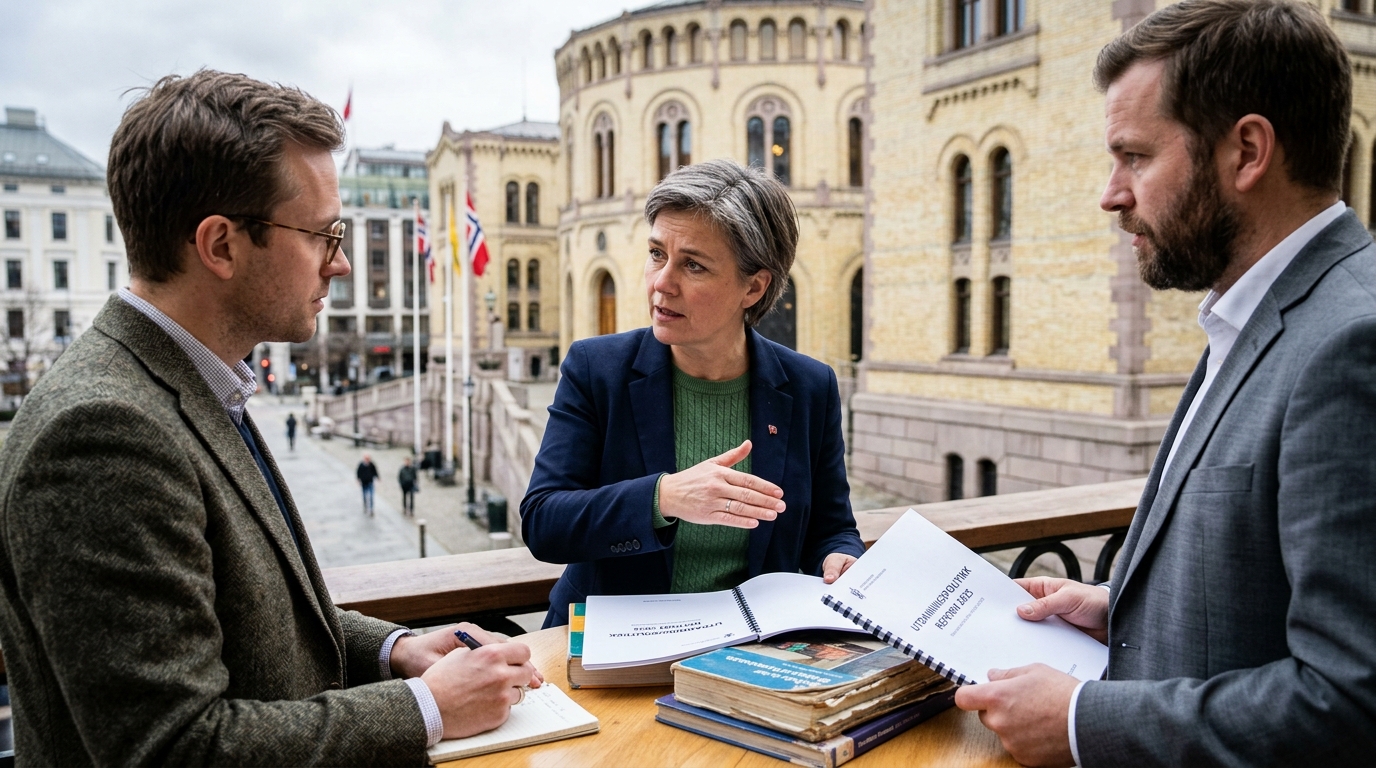
The catalyst for this abrupt turn was the disappointing results of international PISA assessments, which showed a significant decline in the reading and comprehension skills of Norwegian students. Education Minister Kari Nessa Nordtun has been categorical, stating that "the school must be a place where students can concentrate, read on paper, and write by hand." The government has committed hundreds of millions of kroner to repurchase physical textbooks, sidelining the digital platforms that have dominated the last decade.
The concern goes beyond mere concentration. Psychologists and educators in Norway point out that constant exposure to digital environments—designed to induce perpetual distraction—has turned the learning process into a superficial experience. Reading on a screen, as research demonstrates, leads to "scanning" rather than deep comprehension, while the use of AI for writing assignments has begun to atrophy children's critical thinking skills.
Artificial Intelligence: From Tool to Obstacle
The entry of ChatGPT and similar tools into classrooms in 2023 and 2024 was the final blow to Norway's digital utopia. Although there was initial enthusiasm regarding the potential for personalized learning, the reality proved different. Teachers were faced with an epidemic of plagiarism and a general reluctance among students to produce original content. AI, instead of acting as a tutor, became the "easy path" that bypassed cognitive effort.
- Restricting access to AI tools during lectures and core instruction.
- Strict regulations on mobile phone use during breaks and class hours.
- Reintroducing written exams with pen and paper, disconnected from the internet.
Norway is not alone in this struggle. Sweden had already announced similar measures in 2023, with its Education Minister describing full digitization as an "experiment that failed." Denmark is also following suit with recommendations for less technology in early childhood and primary education. It seems the Nordic North, always at the forefront of trends, is sending a loud message to the rest of the world: technology cannot replace the brain's biological need for tactile interaction with knowledge.
A Return to Human-Centric Education
The decision to return to books is not "Ludditism" or a denial of progress. On the contrary, it is an attempt to redefine what "progress" means in education. Norwegian officials argue that for a young person to use AI responsibly in the future, they must first build a strong analog foundation: they must know how to read long-form texts, synthesize arguments without assistance, and possess the patience required for book-based study.
"We cannot allow algorithms to dictate the way our children think. Returning to paper is an act of liberating thought," stated a member of the Norwegian education committee.
The challenge for 2026 and beyond is the creation of a hybrid model where technology is used sparingly and only when it offers genuine added value. Norway teaches us that digitization without moderation is not modernization, but a form of cognitive disenfranchisement. The battle for student attention has just entered a new, more traditional phase.