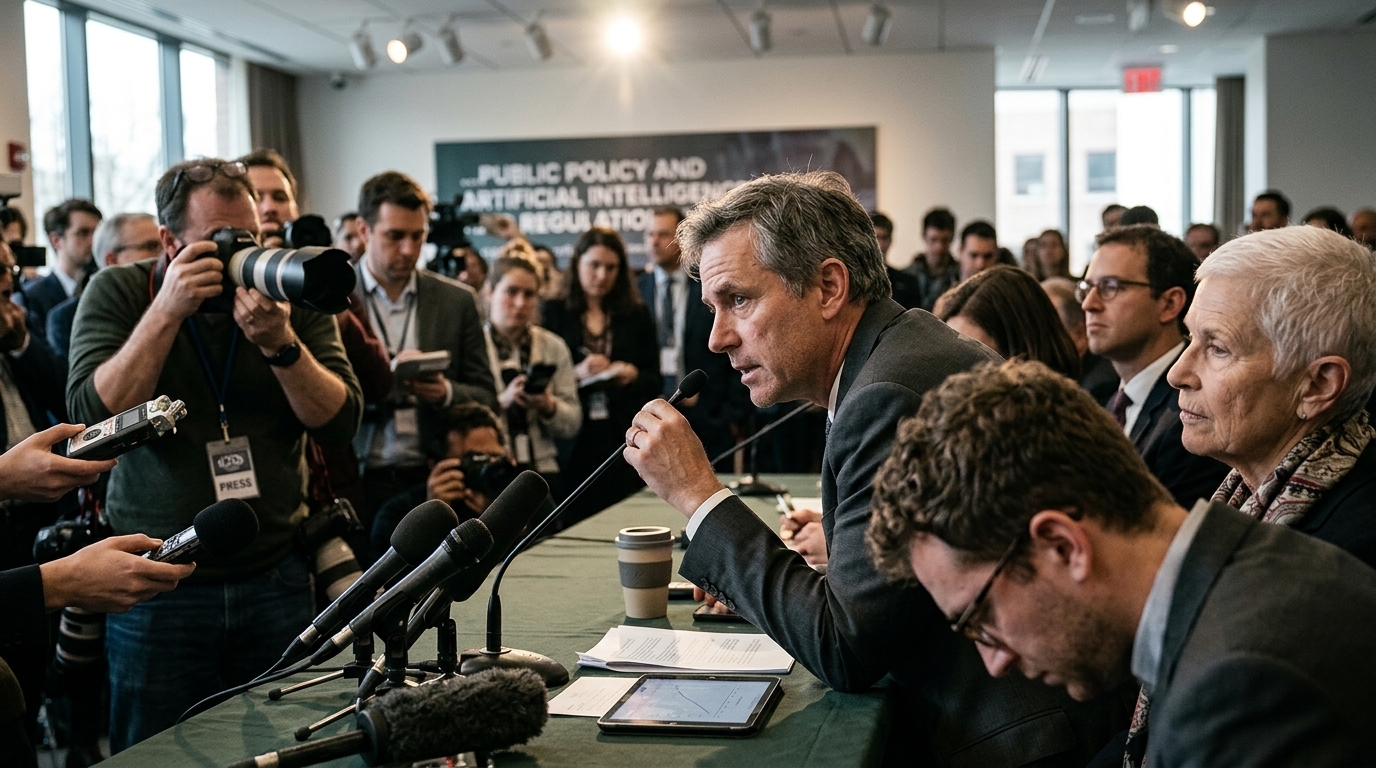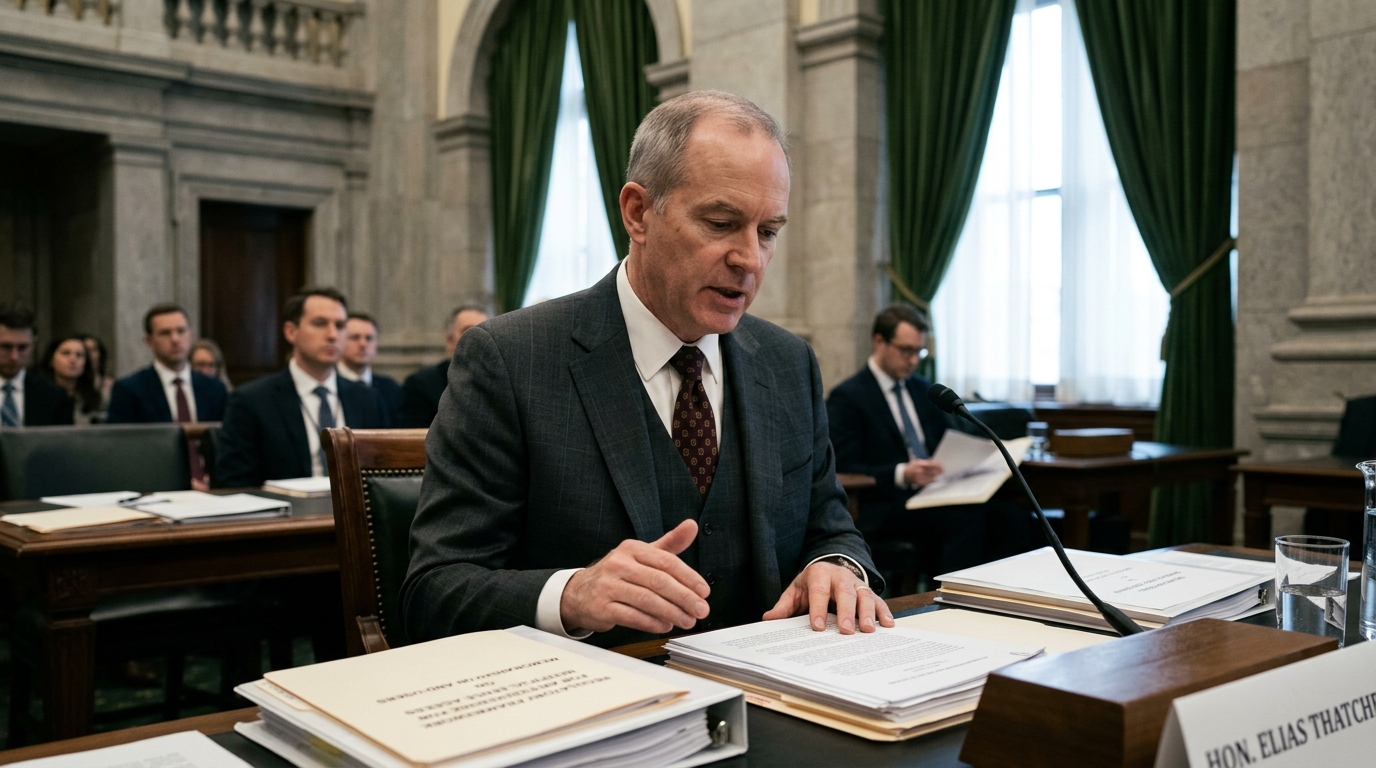
In a move that fundamentally reshapes the global technological landscape, the United States government under President Trump has announced a strict new policy of "selective access" for the world's most advanced artificial intelligence models. Citing national security concerns and the protection of American intellectual property, the directive mandates that top-tier AI labs—including OpenAI, Anthropic, and Google—restrict their most powerful frontier models to a list of "approved and trusted" customers.
The Policy of "Certified" Intelligence
The new mandate, effective as of late June 2026, establishes an unprecedented operational framework for the AI industry. According to government sources, access to models exceeding specific computational thresholds (measured in FLOPS) will no longer be freely available via public APIs. Instead, any corporation or research institution wishing to utilize these tools must undergo a vetting process by the Department of Commerce. This process evaluates not only financial stability but also political alignment with U.S. strategic interests.
For critics, this move represents the death knell for the "democratization of AI." While Silicon Valley's rhetoric once focused on empowering every individual on the planet, the new reality enforces a form of digital protectionism. The companies currently on the "white-list" are predominantly U.S. defense contractors, strategic allies, and enterprises that have demonstrated clear adherence to the "America First" doctrine.
Geopolitical Implications and the European Response
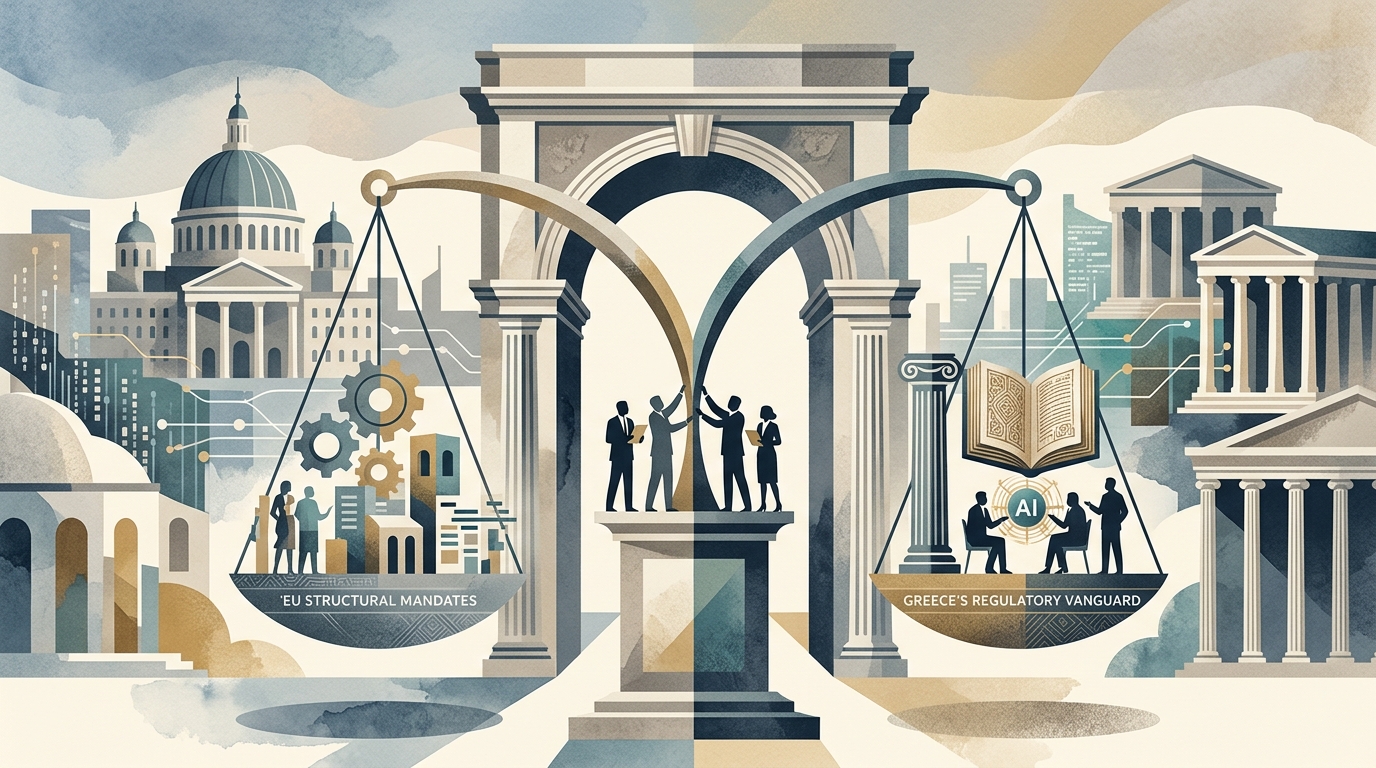
This decision does not merely affect the domestic U.S. market; it redraws the global geopolitical map. The European Union, already struggling to keep pace with American and Chinese innovation, now faces the specter of technological exclusion. If European startups are not deemed "sufficiently trusted" by Washington, they may be forced to work with previous-generation models, losing any competitive edge in the global market.
"This is no longer about free trade in software; it's about digital armament programs," said a senior official in Brussels. "Artificial intelligence is being transformed from a public good into a privilege for the chosen few."
In Asia, China is expected to accelerate its own efforts to develop sovereign models, while other emerging economies may turn toward open-source alternatives as their only viable path. However, the new U.S. policy also includes restrictions on American developers contributing to international open-source projects deemed "high-risk," further complicating the global collaborative spirit.
Impact on Innovation and Science
One of the most concerning aspects of the new policy is its effect on academic research. Universities worldwide rely on access to top-tier AI models for medical breakthroughs, climate modeling, and fundamental physics. Imposing "political filters" on access means that scientific progress could be slowed or directed solely toward sectors that serve the state's agenda.
Furthermore, the internal U.S. market risks the creation of a powerful oligopoly. Companies that already hold the "approved" status gain a massive structural advantage, while new startups must wait months for a clearance that may never arrive. This creates an environment where success depends less on the quality of one's code and more on one's connections in Washington D.g.
Conclusion: Toward an AI "Iron Curtain"?
The Trump administration's move marks the end of the age of innocence for artificial intelligence. Technology is no longer treated as a tool for improving the human condition, but as the ultimate weapon of dominance. As the world splits into technological blocs, the question remains: who will ultimately control the intelligence of the future, and at what cost to global freedom and cooperation?