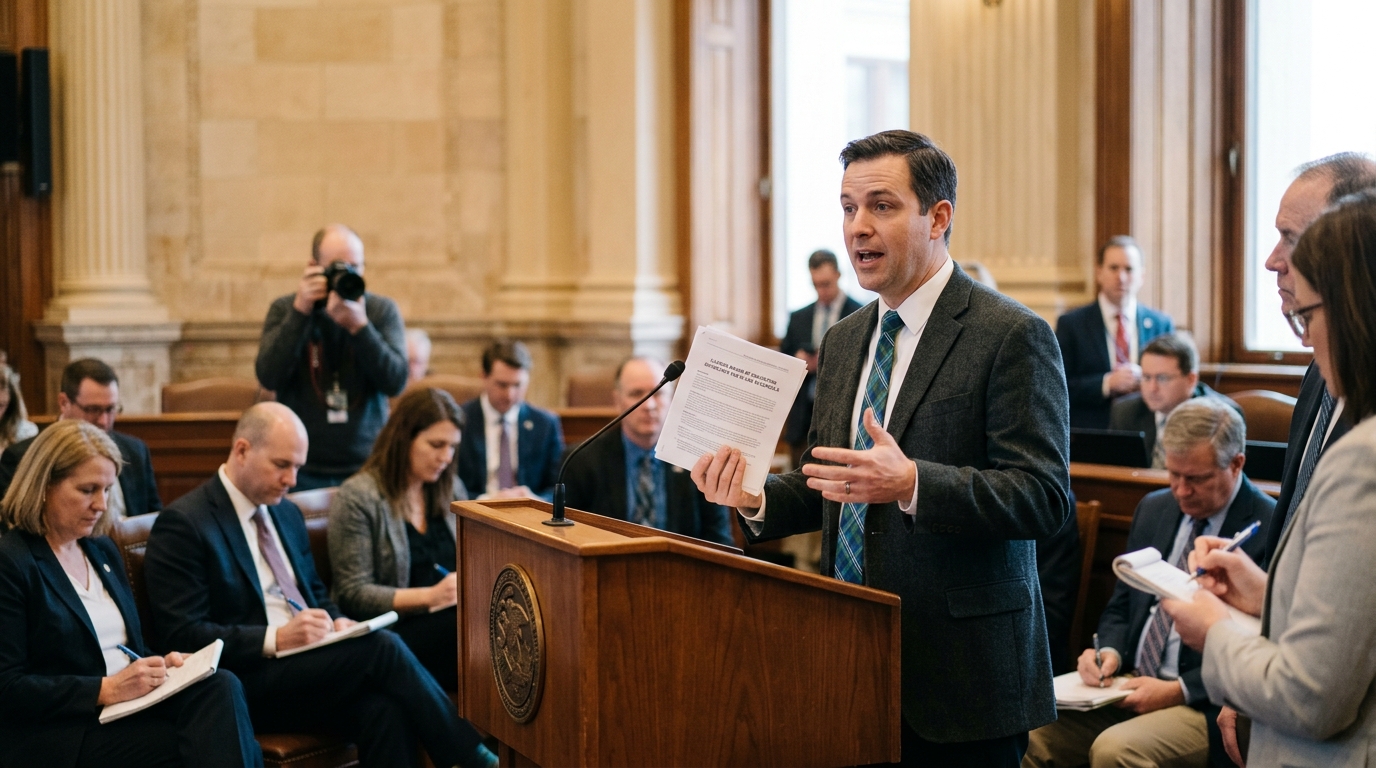
In the heart of rural North Carolina, where the pace of life has traditionally been dictated by the soil and the quiet of the countryside, a new, invisible force is reshaping the landscape. The recent public meeting hosted by Microsoft in Person County was not merely a routine briefing on a construction project; it was a head-on collision between the global ambition for Artificial Intelligence (AI) dominance and the multi-faceted concerns of a local community fearing it will become the victim of digital progress.
A Clash of Two Worlds in Person County
Microsoft is planning the construction of a massive data center complex in the area, a multi-billion dollar investment aimed at bolstering the computing power of Azure and its AI models. However, the reception from residents was far from warm. During the meeting, attendees expressed intense concerns regarding noise, water consumption, and, most critically, the gargantuan demand for electrical power. Person County is already home to major power generation facilities owned by Duke Energy, and the prospect of a new "energy black hole" is causing significant anxiety.
The issue is not just local. Microsoft, along with Google and Amazon, is in a frantic race to secure land and power. AI requires several times more energy than traditional web searches or cloud storage. This means that data centers are no longer just server warehouses; they are heavy-duty industrial facilities operating 24/7, requiring constant cooling and massive power reserves.
Energy Demands and the Environmental Enigma
The irony of the situation in Person County lies in the transition from coal to technology. While the area's old coal plants are slated for retirement as part of the green transition, Microsoft’s need for energy might prolong the operation of polluting sources or necessitate the construction of new natural gas infrastructure. Residents are asking: What is the true environmental cost of our "smart" technology?
- Water consumption for cooling systems can reach millions of gallons per day, potentially impacting the local water table.
- Constant noise from cooling fans represents permanent acoustic pollution for neighboring settlements.
- Power transmission infrastructure (high-voltage towers and lines) dramatically alters the aesthetics and value of the land.
Microsoft attempts to soothe these concerns by promising jobs and tax revenue. However, experience from other regions shows that while construction creates temporary employment, the permanent operation of a data center requires very few staff relative to the facility's size. For a community seeking sustainable growth, the trade-off often appears disproportionate.
Economic Allure vs. Social Backlash
Local officials often view these tech giants as a financial lifeline for county coffers. Tax revenues from such an investment can fund schools, roads, and health services. Yet, the citizen resistance in Person County highlights a growing movement of "tech-skepticism." Citizens are no longer easily swayed by promises of "innovation" when it entails a degradation of their quality of life.
"We don't want to become the world's battery if it means losing our peace," stated one resident during the meeting, reflecting the prevailing mood of distrust.
Microsoft has committed to being "carbon negative" by 2030, but the explosive rise of AI makes this goal increasingly difficult to achieve. The need for data centers in Person County is immediate, while the development of renewable energy sources to power them is often delayed by bureaucracy and technical hurdles. This gap is frequently filled by the existing grid, which in this region still relies heavily on fossil fuels.
The Future of AI Infrastructure
The case of Person County is a microcosm of a global phenomenon. From Ireland to the Netherlands and from Virginia to Taiwan, local communities are standing up against the expansion of data centers. AI technology, despite its "intangible" nature in the cloud, has a heavy and very physical footprint on the earth. The challenge for companies like Microsoft is to find a way to grow without alienating the communities that host them. Transparency, honest consultation, and genuine investment in local infrastructure beyond the narrow boundaries of the data center are the only tools they have. If they fail, the future of AI may find its greatest obstacle not in an algorithm, but in the will of the people living next to the machines.