As of July 6, 2026, the global academic community stands at a critical juncture. The era when Artificial Intelligence (AI) was viewed merely as a tool for text generation or research facilitation is long gone. Today, AI forms the backbone of university infrastructure, from enrollment management to personalized pedagogy. However, this rapid adoption has created a legal vacuum that threatens the very stability of institutions. The need for a "Legal Roadmap" is no longer a theoretical exercise but an urgent necessity for survival.
The Privacy Paradox and Data Sovereignty
The first and perhaps most significant hurdle in AI adoption on campus is data privacy. In the United States, FERPA (Family Educational Rights and Privacy Act) sets strict boundaries, while in Europe, the GDPR remains the gold standard. When a university utilizes Large Language Models (LLMs) to analyze student performance or provide automated support, this data often flows to external providers. Who owns this data? How can we ensure that a student's personal information isn't used to train future models without explicit consent?
Universities must develop protocols that go beyond mere vendor contracts. A thorough examination of "trust architecture" is required. This means every AI tool entering the campus must undergo a legal compliance audit examining not just where data is stored, but how it is processed in real-time. Transparency is no longer an option; it is a legal mandate. Institutions must ensure that their use of AI does not violate the fundamental right to privacy, especially as predictive analytics become more intrusive in monitoring student behavior and mental health.
Intellectual Property: The New Arena of Conflict
The issue of Intellectual Property (IP) in the age of generative AI is extraordinarily complex. On one hand, faculty members worry that their educational materials—notes, lectures, research data—are being used to train models without compensation or attribution. On the other hand, there is the question of ownership regarding content produced by students with AI assistance. If a student uses an algorithm to develop code or write a thesis, who holds the copyright?
University legal counsels are advocating for the creation of clear "IP-AI" policies. These policies must stipulate that the use of AI tools does not void the creator's rights, while simultaneously protecting the institution from claims of third-party IP infringement facilitated by these tools. Furthermore, universities must negotiate collective agreements with tech giants, ensuring that academic content remains within the institutional walls, creating "walled gardens" of AI that respect the sanctity of academic labor. The risk of "brain drain" from the academy to proprietary models is a legal and existential threat.
Ethics, Bias, and Social Accountability
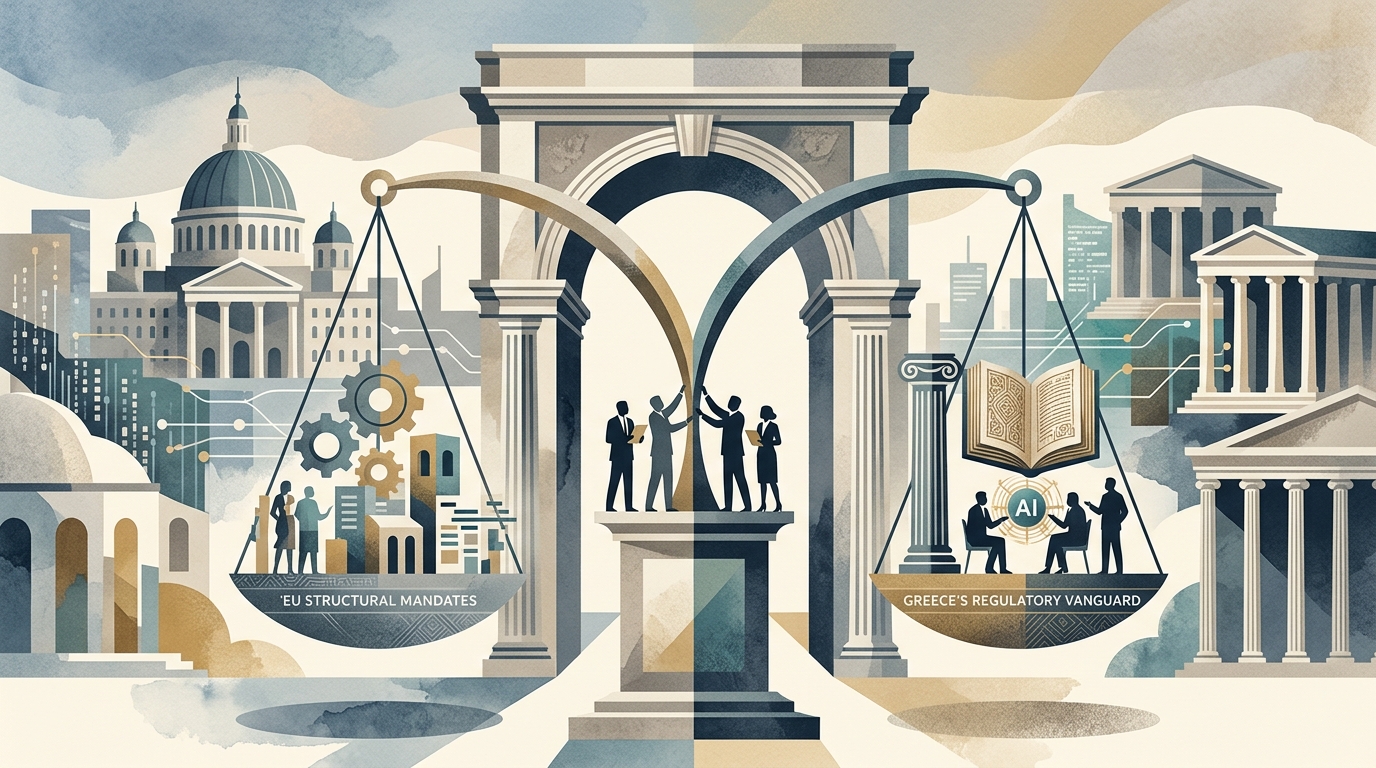
Beyond data and property laws, universities face the risk of algorithmic bias. If an AI system used for admissions or scholarship allocation exhibits bias against specific social groups, the institution is legally liable for discrimination. In the US, this falls under Title IX and other anti-discrimination statutes, while in the EU, the AI Act categorizes educational systems as "high-risk." This classification brings stringent requirements for human oversight, logging, and accuracy.
Conclusion: Toward a Governance Framework
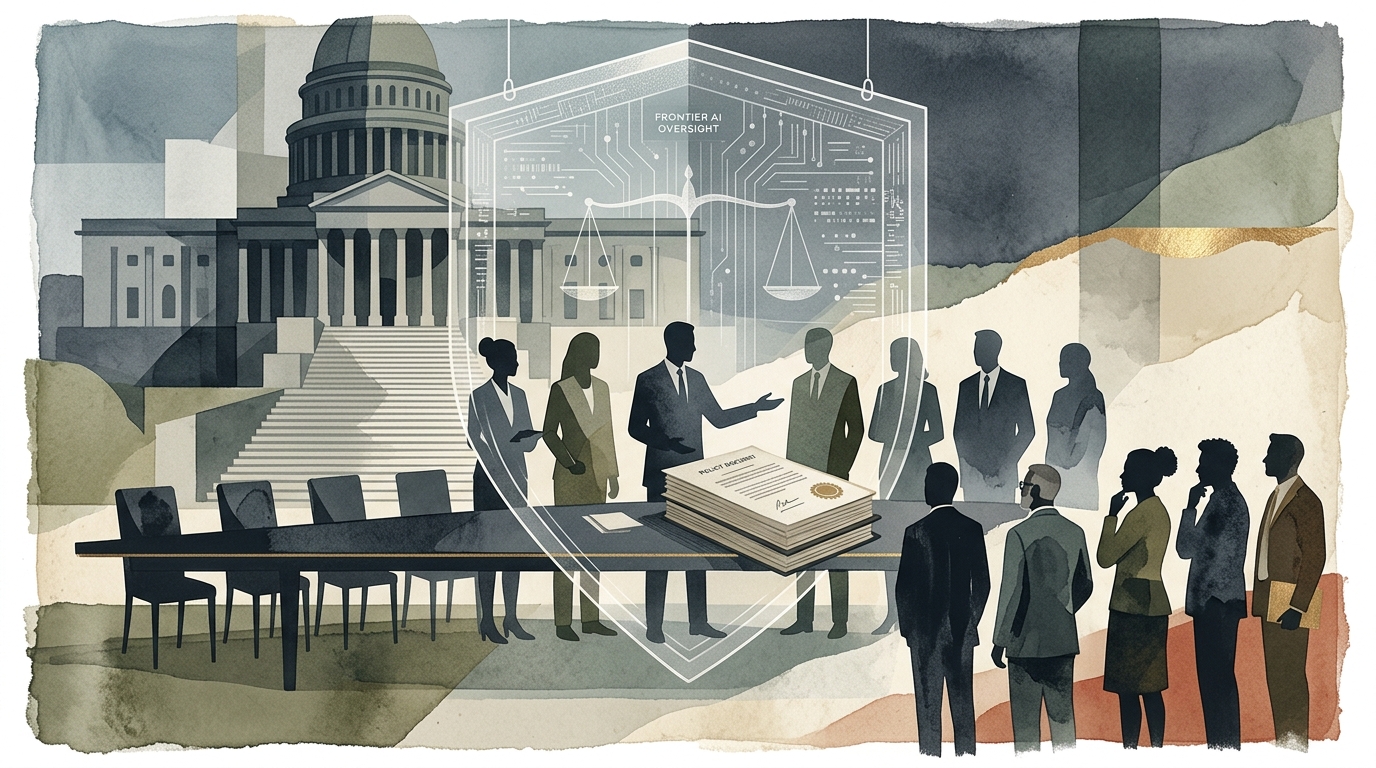
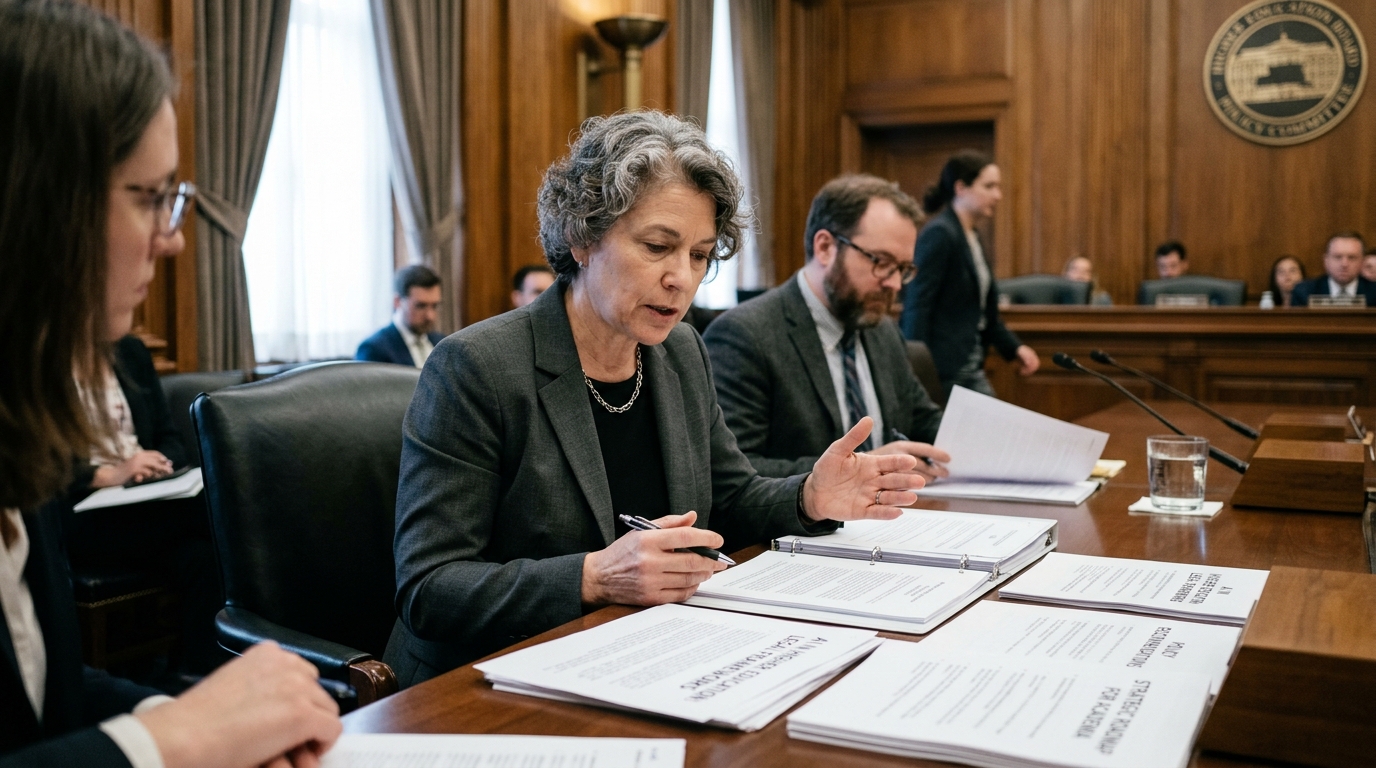
The solution lies not in prohibition, but in governance. An effective legal roadmap requires the establishment of a permanent AI Committee, comprising legal experts, academics, ethicists, and student representatives. This committee must continuously review institutional policies, ensuring that innovation does not sacrifice the fundamental values of academic freedom and justice. The university of the future will be judged not by how sophisticated its algorithms are, but by how well it can legally and ethically govern them. The transition from reactive policy-making to proactive legal strategy will define the winners in the new educational landscape.