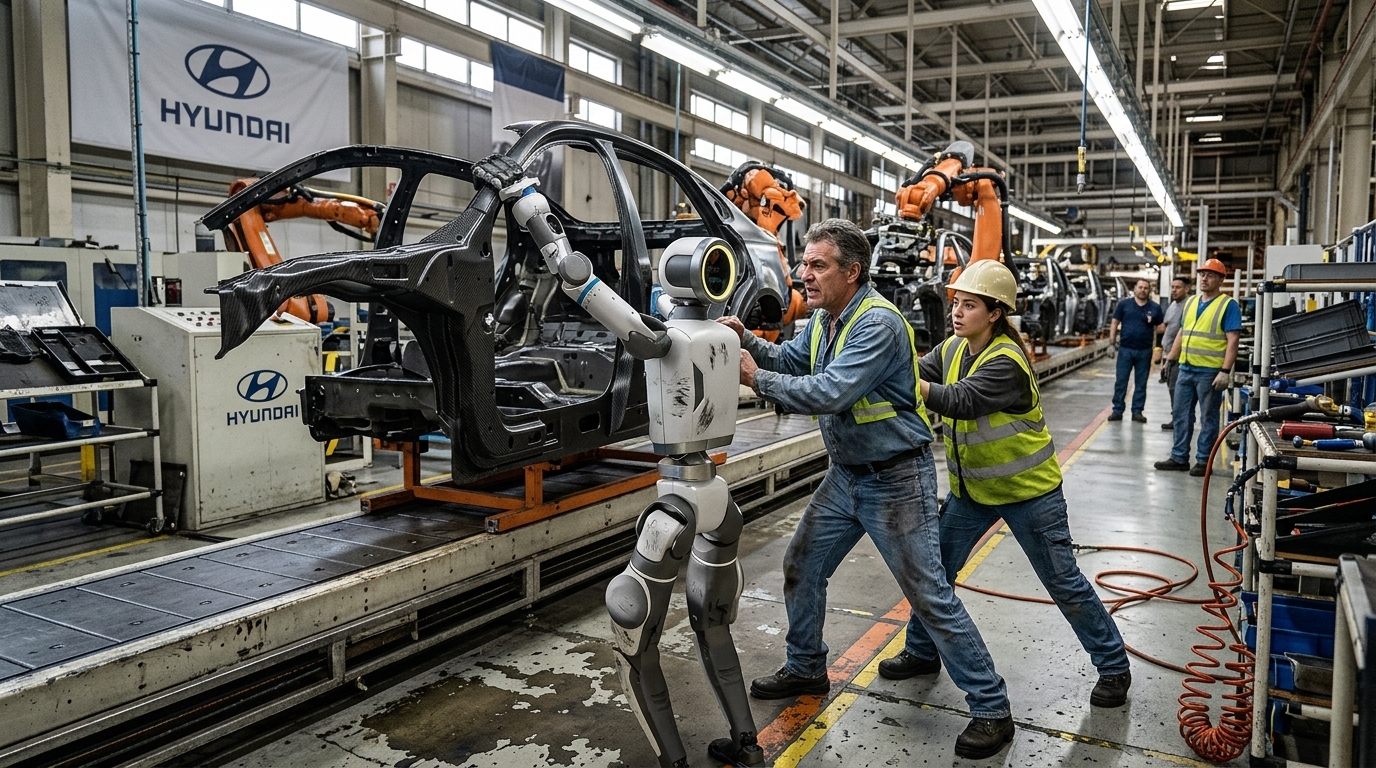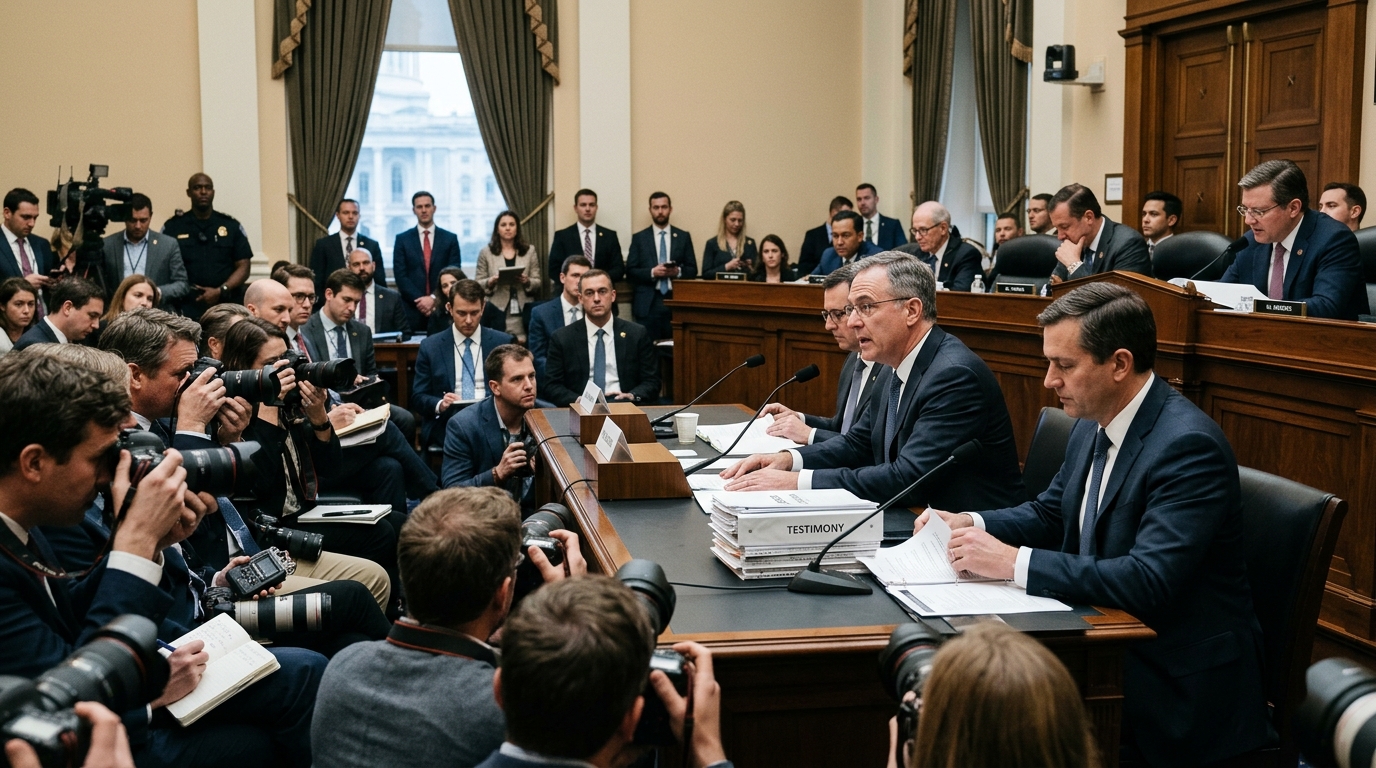
The rapid proliferation of autonomous artificial intelligence agents within the wealth management sector has placed the U.S. Securities and Exchange Commission (SEC) under intense legislative scrutiny. As financial institutions pivot from traditional algorithmic trading to sophisticated AI systems capable of making real-time decisions without human intervention, the regulatory vacuum is becoming increasingly apparent. Lawmakers are raising serious concerns regarding transparency, accountability, and the potential for systemic instability driven by a "digital herd" of investment decisions.
Autonomy as a New Market Challenge
For decades, Wall Street has utilized algorithmic trading, but the current generation of AI agents represents a qualitative leap. These systems do not merely execute pre-defined instructions; they analyze vast swaths of data—ranging from financial reports to social media sentiment—and adjust their strategies dynamically. The SEC, led by Chair Gary Gensler, has already warned about the risks of "monoculture" in AI, where disparate agents might arrive at the same conclusions simultaneously, potentially triggering violent market swings.
Lawmakers in Washington are now pushing for a clearer framework. In recent letters to the SEC, members of Congress have demanded clarification on how "fiduciary duty" applies when the advisor is not a human, but code. Who bears responsibility when an AI agent executes trades that harm the client or violate market rules? This ambiguity creates risks for both individual investors and the overall stability of the financial system.
The "Black Box" Problem and Transparency
One of the primary points of contention is the nature of AI models as "black boxes." Often, even the developers of these models cannot fully explain why an agent took a specific action at a given moment. For regulators, this is a nightmare. The SEC has traditionally relied on traceability and the justification of decisions to combat market manipulation. With AI, the distinction between a legitimate strategy and an attempt at artificial price inflation becomes exceedingly difficult to discern.
- Protection of retail investors from information asymmetry.
- Prevention of "flash crash" phenomena caused by algorithmic chain reactions.
- Ensuring AI training data is free from biases that could exclude certain investor groups.
Furthermore, the use of AI in wealth management raises questions about the concentration of power. If a handful of Big Tech firms provide the underlying models for all financial agents, a single failure in one model could paralyze the entire market. Lawmakers are calling on the SEC to consider whether new "stress tests" specifically for AI are required, similar to those imposed on banks following the 2008 financial crisis.
Industry Reaction and the Future of Regulation
For its part, the wealth management industry argues that over-regulation could stifle innovation and drive capital toward jurisdictions with more lenient rules. They contend that AI can democratize access to high-level investment advice, which was previously available only to ultra-high-net-worth individuals. However, the SEC appears determined to move forward with stricter rules regarding conflicts of interest, fearing that AI agents could be programmed to prioritize firm profits over client best interests.
"We cannot allow technology to outpace our ability to protect investors. Artificial intelligence must serve the market, not destabilize it," a senior SEC official stated during a recent hearing.
In conclusion, the friction between lawmakers and the SEC highlights a broader truth: technology has changed the game faster than laws can adapt. 2026 is proving to be a pivotal year, as the rules established now will define the face of the global economy for the next decade. The challenge lies in creating a framework that fosters growth without sacrificing the integrity of the financial system.