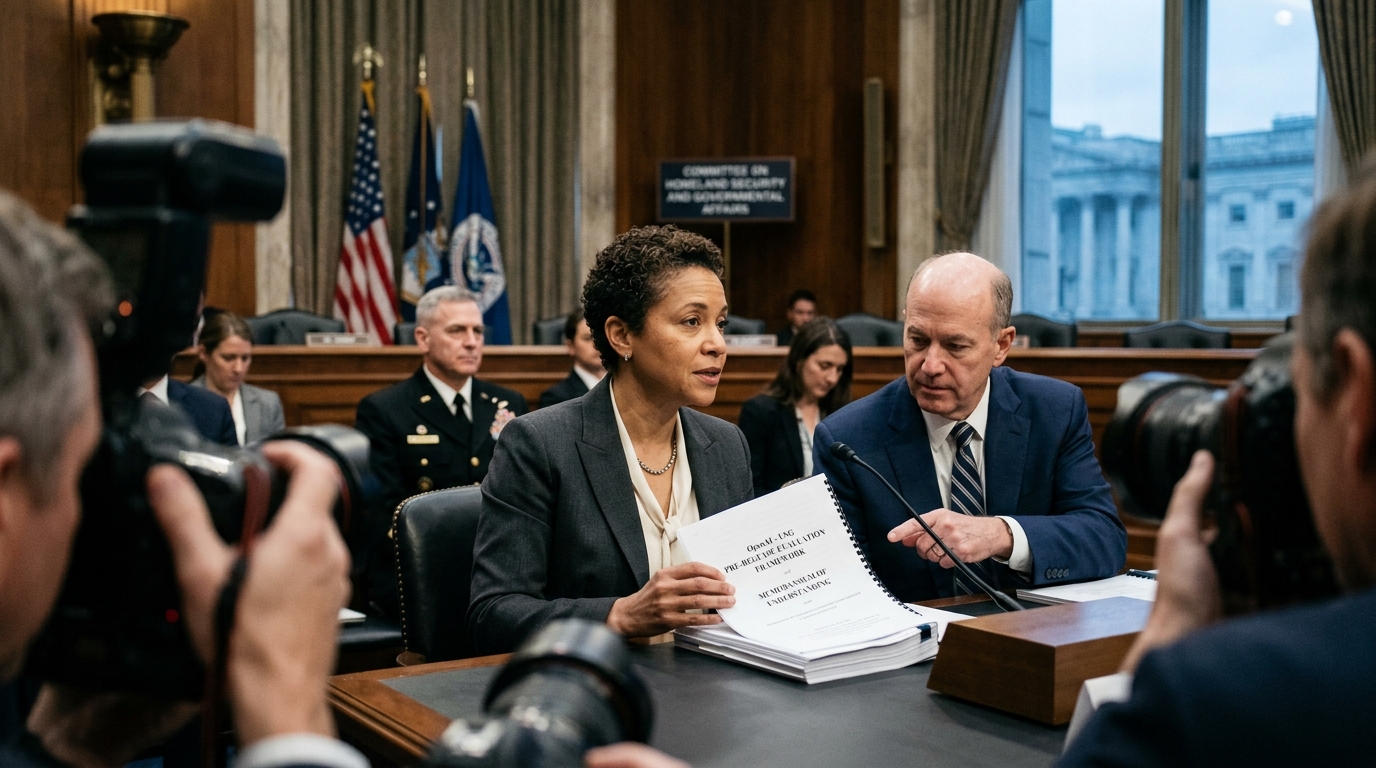
The integration of Artificial Intelligence (AI) into the judicial system is no longer a science fiction scenario, but a pressing reality reshaping the foundations of justice. Distinguished legal commentator Joshua Rozenberg, through his recent analyses, points to the core of the issue: Can an algorithm deliver justice? And if so, at what cost to human dignity and impartiality?
Judicial Guidance and the Judge's Responsibility
In the United Kingdom, judicial authorities have already issued guidance on the use of Generative AI by judicial officers. Sir Geoffrey Vos, Master of the Rolls, has been a pioneer in supporting technology, while emphasizing that the responsibility for the final decision remains exclusively with the human. AI can assist in summarizing vast amounts of documents or drafting preliminary texts, but it cannot replace moral judgment.
The primary problem remains the "hallucination" of Large Language Models (LLMs). As seen in cases in the US, lawyers used ChatGPT to find legal precedents, only to discover that the system had "invented" entire cases and rulings. This is not merely a technical glitch; it is a threat to the integrity of the legal process.
Transparency and the Algorithmic "Black Box"
One of the greatest concerns expressed by Rozenberg involves transparency. Judicial decisions must be reasoned and understandable. If a judge uses an AI tool to reach a conclusion, how can a litigant scrutinize the logic behind that tool? Algorithms often function as "black boxes," where inputs and outputs are known, but the internal processing remains opaque, even to their creators.
- The need for a "Human-in-the-loop" is non-negotiable.
- Protection of personal data and the confidentiality of judicial deliberations.
- The risk of embedding biases present in the AI's training data.
Furthermore, the issue of "equality of arms" arises. If large law firms have access to expensive, specialized AI tools that can analyze thousands of pages in seconds, what happens to the ordinary citizen or the small-town lawyer? Digital inequality risks transforming into judicial inequality.
The Future: Assistance or Replacement?
Rozenberg argues that AI should be treated as a sophisticated tool for secretarial and research support. Automating procedural matters can de-congest courts, allowing judges to focus on the substance of cases. However, "justice by algorithm" remains a red line that society does not seem ready to cross.
"Justice is not just the application of rules, but the recognition of the human condition," Rozenberg often notes.
In conclusion, the path toward digital justice is inevitable. The challenge for 2026 and beyond is creating a regulatory framework that allows innovation without undermining the values of the rule of law. Technology must serve justice, not dictate it.