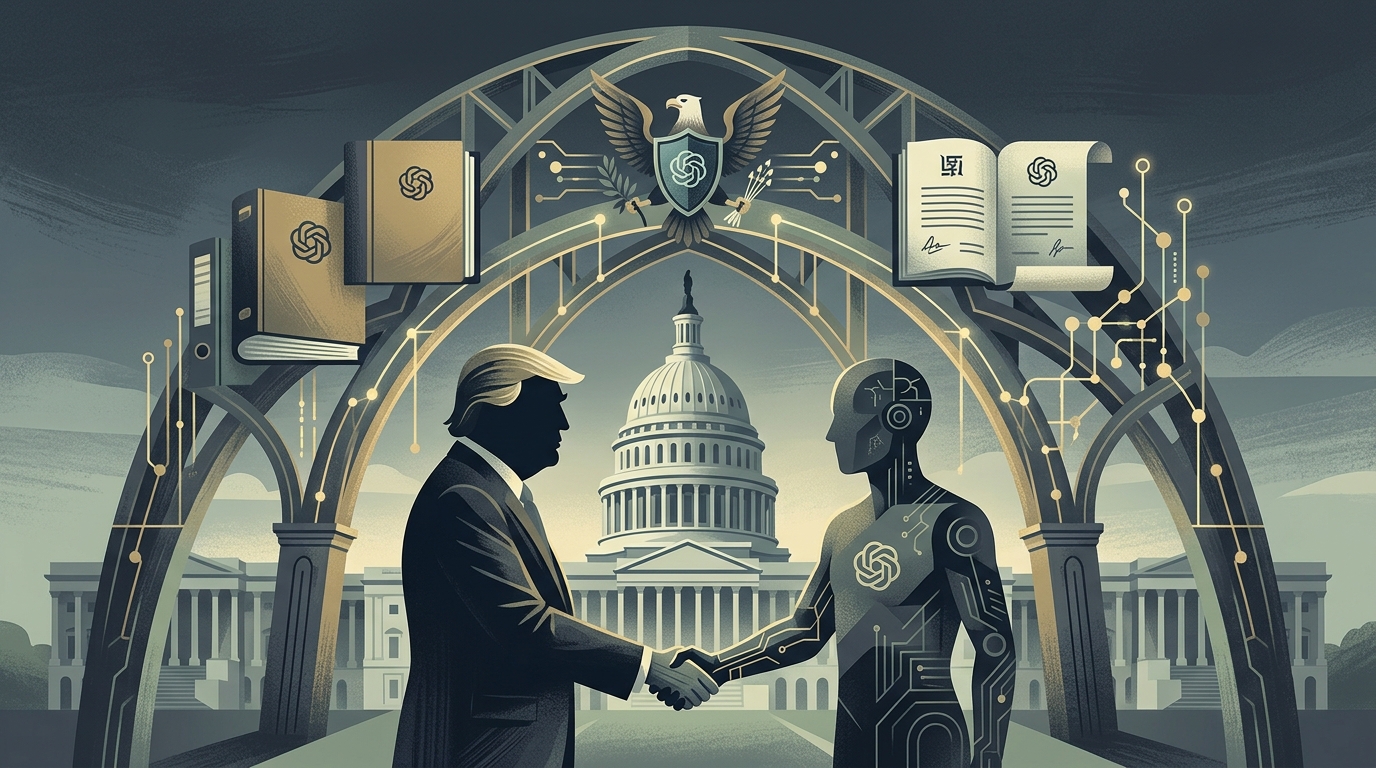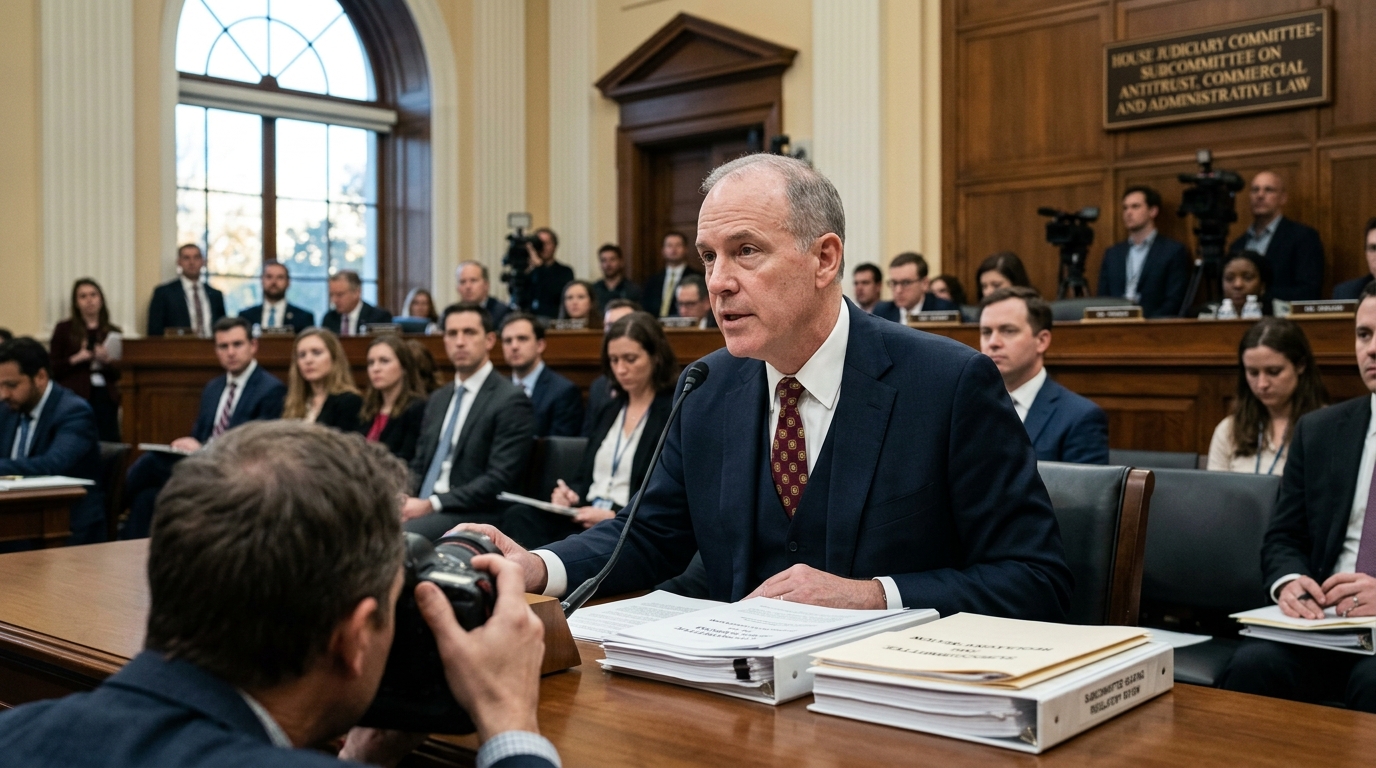
In the ever-shifting landscape of American politics, the clash between state power and political satire is nothing new. However, as of May 2026, the friction between Donald Trump and the Disney empire has taken on a new, more institutional dimension. The catalyst, once again, is Jimmy Kimmel, the ABC host whose razor-sharp monologues continue to be a thorn in the side of the Trump camp. Yet, the real story isn't Kimmel’s punchlines; it’s the reaction of Brendan Carr, a commissioner at the Federal Communications Commission (FCC), who appears to be using Kimmel as a battering ram against Disney.
The Weaponization of the FCC
Brendan Carr, one of the most vocal proponents of strict regulation for tech giants and traditional broadcasters alike, has made it clear that Disney can no longer take its broadcast licenses for granted. Carr’s rhetoric suggests a pivot from the traditional protection of free speech toward a doctrine of "regulatory retribution." The argument is simple yet perilous: if a network utilizes public airwaves to promote what critics deem a one-sided political agenda through entertainment, then the state has the right to reconsider its privileges.
This approach directly challenges the First Amendment of the U.S. Constitution. For decades, networks have enjoyed broad latitude in their programming, especially concerning comedy and satire. Carr’s attempt to link Kimmel’s content to the validity of Disney’s licenses creates a precedent that could lead to widespread media self-censorship, driven by the fear of financial penalties or administrative hurdles.
Disney Caught in the Crossfire
For Disney, the situation is exceptionally complex. On one hand, Bob Iger and the company’s leadership must protect the integrity of their creators and the editorial independence of ABC. On the other, as a global conglomerate with massive economic interests dependent on government decisions—ranging from taxation to copyright law—Disney cannot afford an all-out war with a potent political movement. Kimmel, while highly popular with a specific demographic, is becoming a "costly" voice in terms of political capital.
- Pressure for "balance" in ABC’s programming is mounting from conservative advocacy groups.
- Investors are increasingly wary of potential litigation that could impact share prices.
- Disney is forced to choose between artistic freedom, corporate neutrality, and economic survival.
"Brendan Carr doesn’t need Disney to cancel Jimmy Kimmel to declare victory; the mere threat of regulation is enough to alter corporate behavior," suggests the underlying strategy of the FCC offensive.
The Future of Political Satire
This conflict underscores a deeper crisis in American discourse: the collapse of shared reality. When satire is treated as an existential threat requiring state intervention, the lines between democracy and authoritarianism begin to blur. Trump has repeatedly expressed a desire to "open up" libel laws and punish networks he perceives as hostile. Carr is providing the legal and regulatory scaffolding to turn those desires into reality.
In this environment, Jimmy Kimmel is not just a comedian; he is a symbol of resistance—or a target for elimination, depending on one’s perspective. What is certain is that the battle for narrative control in American media has entered a new, more aggressive phase, where jokes can carry heavy financial and legal consequences. The outcome of this struggle will likely define the boundaries of free expression in the digital age.