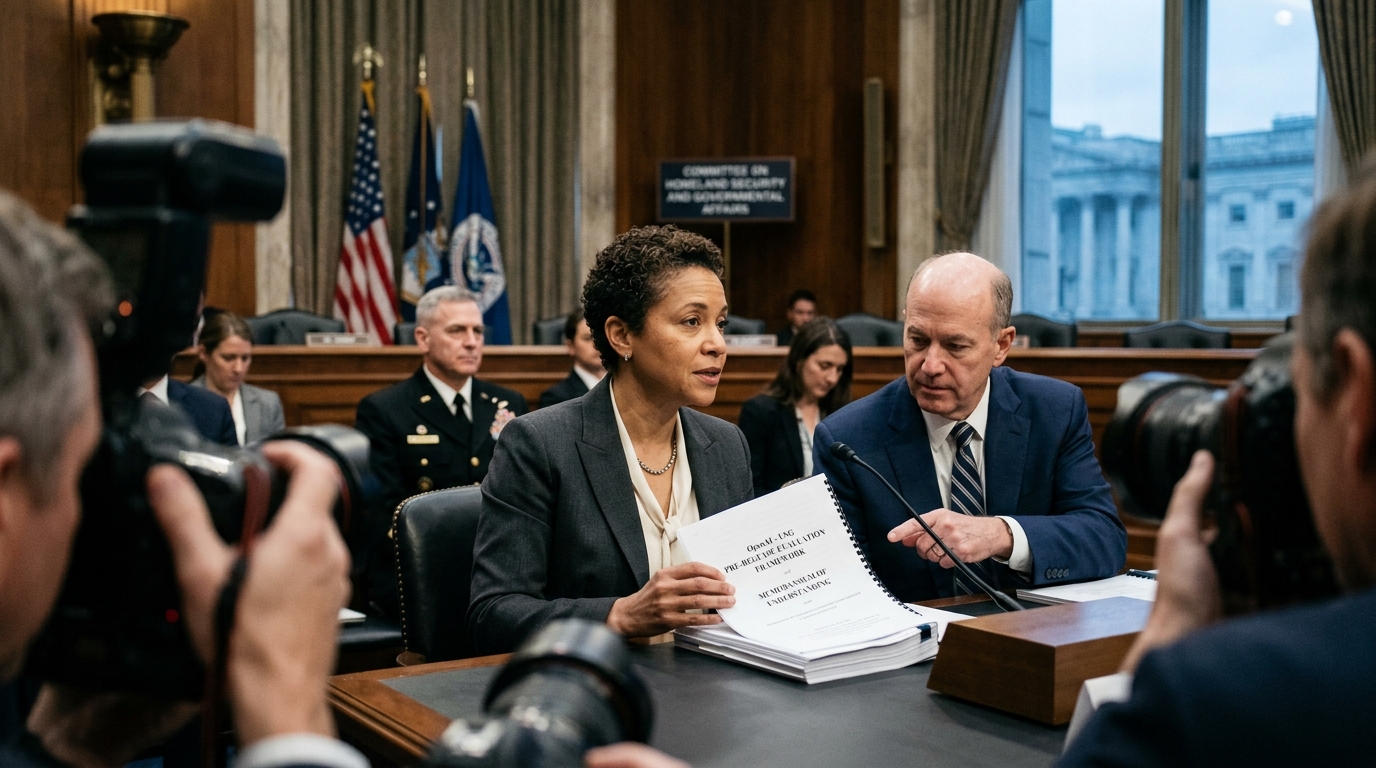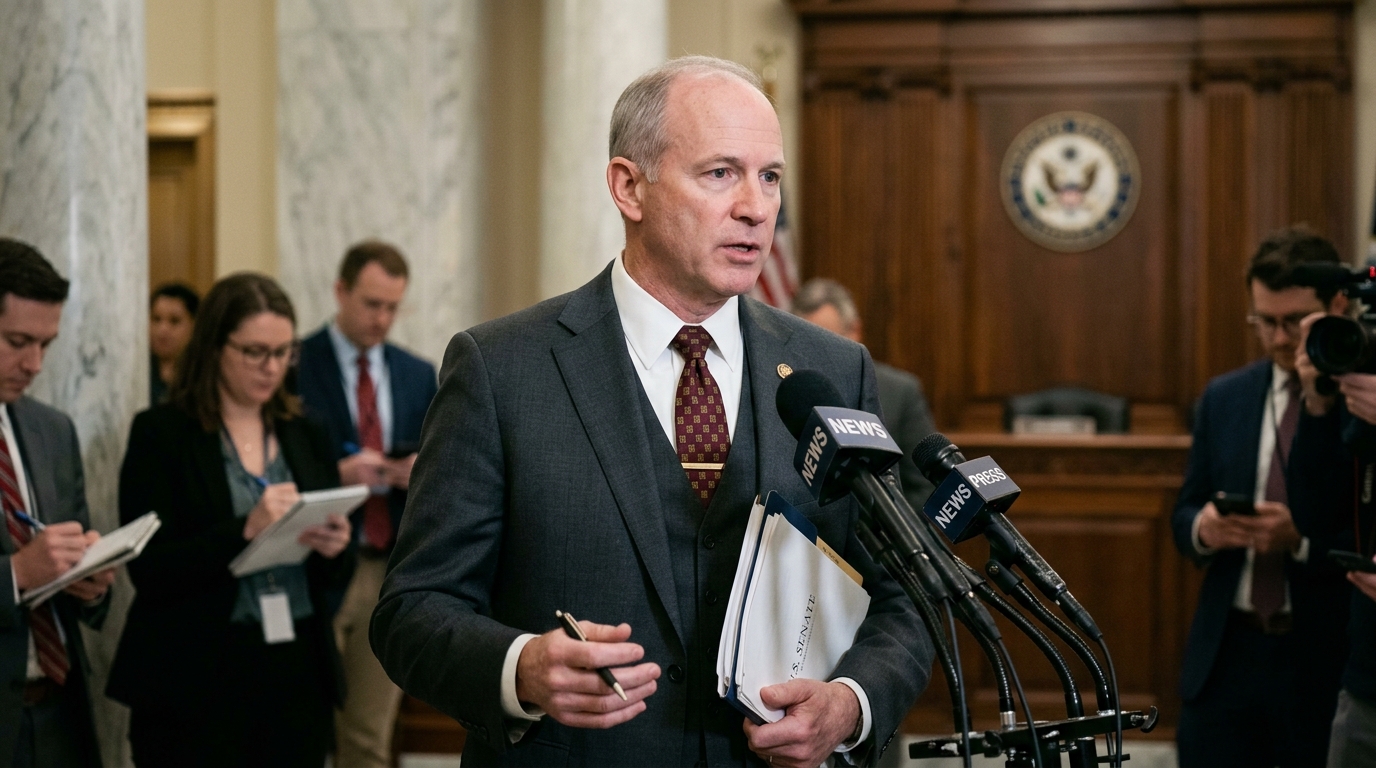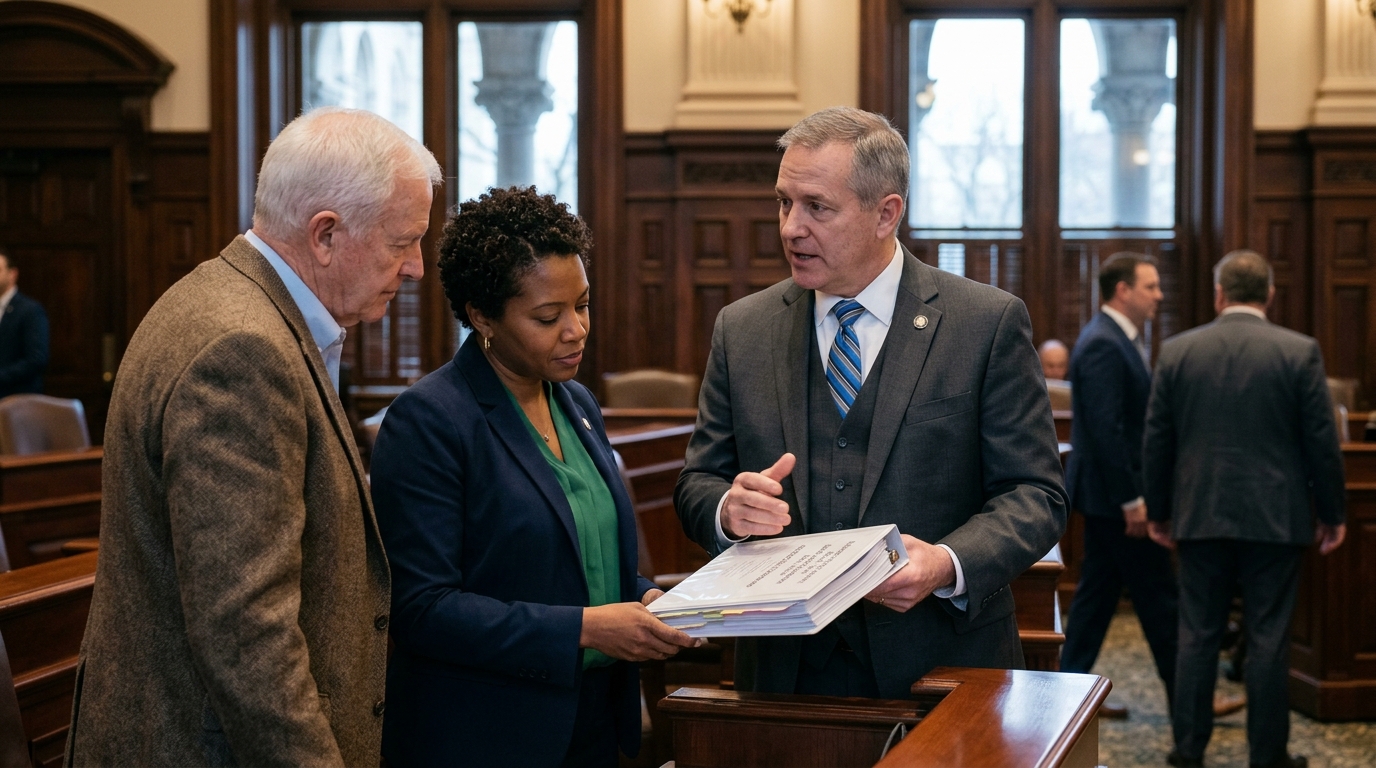
The era of the "Wild West" for Artificial Intelligence in the United States appears to be drawing to a close, at least at the state level. Illinois, a state that historically leads in protecting citizens' digital rights, is on the verge of approving a comprehensive regulatory framework aimed directly at Silicon Valley giants. With this move, Illinois aligns itself with California and Colorado, creating a powerful front that demands transparency, accountability, and the ethical use of algorithms.
The Architecture of the New Legislation
The proposed framework is not merely a collection of aspirational statements but a structured intervention into how companies develop and deploy AI systems. At its core lies the concept of "high-risk systems." These are algorithms that make critical decisions about people's lives, such as job hiring, loan approvals, or the provision of healthcare. The legislation requires companies to conduct regular audits to prevent algorithmic discrimination, ensuring that AI does not replicate racial, gender, or social biases.
Furthermore, the bill places significant emphasis on protection against deepfakes. In an age where digital forgery can destroy lives or influence elections, Illinois seeks to set strict limits on the creation and distribution of AI-generated content without the consent of the individuals involved. This includes both the protection of personal image and ensuring the integrity of public information.
The BIPA Legacy and Political Friction
It is no coincidence that Illinois is at the forefront. The state is already renowned for its Biometric Information Privacy Act (BIPA), which has led to some of the largest legal settlements against companies like Meta and Google. The new AI legislation is seen as the natural evolution of this tradition. However, the path to enactment is not without obstacles. Tech industry representatives warn that excessive regulations could stifle innovation and drive investment to other states with more relaxed frameworks.
- Requirements for annual impact reports from tech companies.
- The right of citizens to know when they are interacting with an AI system.
- Strict penalties for using AI in exclusionary practices within the labor market.
- Establishment of a dedicated oversight body to monitor rule implementation.
The National Patchwork and Federal Inaction
Illinois' move highlights a larger problem in the US: the total lack of a unified federal law for Artificial Intelligence. While Congress consumes itself with hearings and discussions, states are taking action on their own. This creates a "patchwork" of regulations that makes the operation of tech companies extremely complex. For proponents of regulation, this is a necessary evil to protect citizens. For critics, it is a recipe for bureaucratic chaos that will ultimately benefit US global competitors, such as China.
"Technology moves at the speed of light, but justice must not be left behind. Illinois is sending a message that human dignity is not negotiable at the altar of algorithmic profit," state government sources noted.
In conclusion, Illinois is not just regulating a technology; it is redefining the social contract in the digital age. The success or failure of this endeavor will largely determine whether Artificial Intelligence remains a tool for liberation or transforms into a mechanism of opaque control.