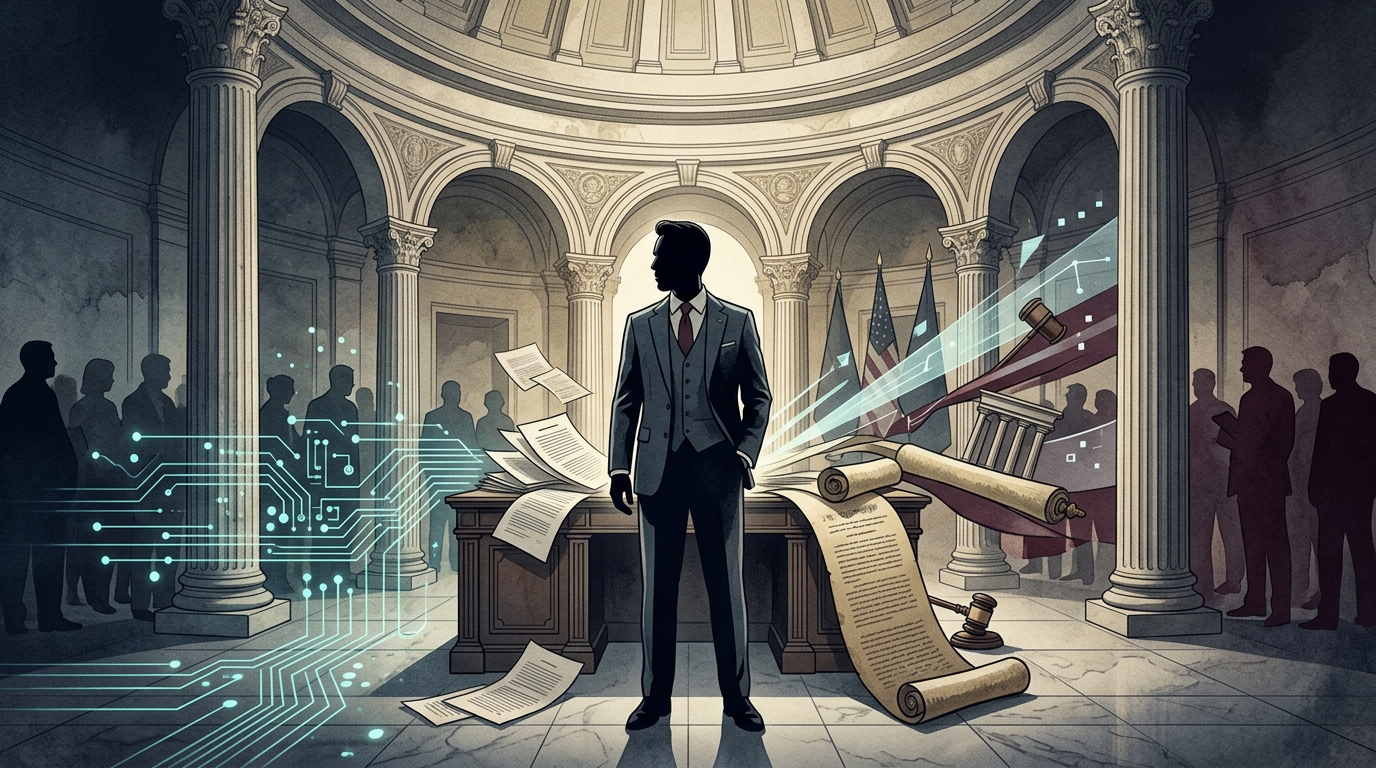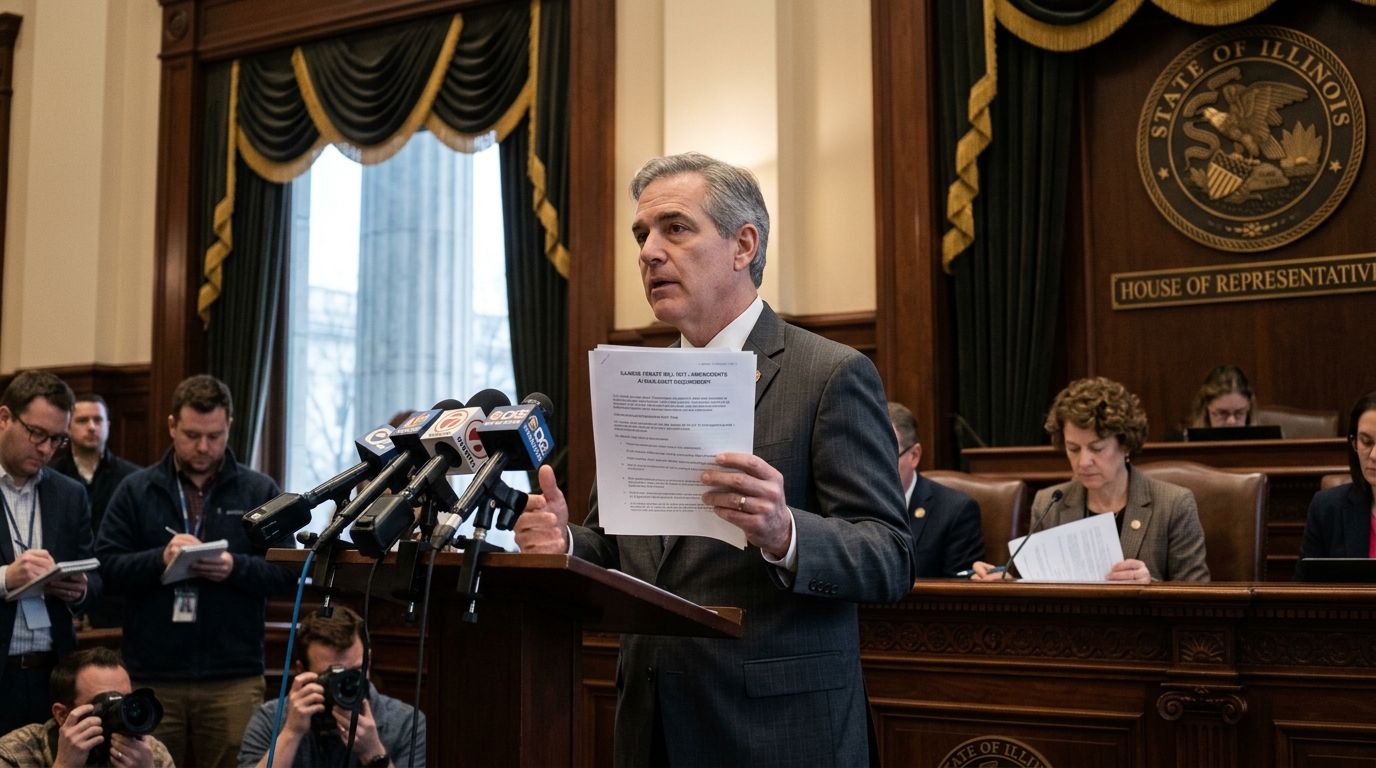
In an era where algorithms increasingly dictate the professional trajectories of individuals, the state of Illinois is once again emerging as a pioneer in technology regulation. The new legislative proposal (HB 3773), which amends the Illinois Human Rights Act (IHRA), strikes at the heart of one of the most opaque practices in modern business: the use of Artificial Intelligence in hiring, promotion, and termination processes.
The proposal is not merely a bureaucratic addition but a fundamental shift in the power dynamics between employer and employee. Under the bill, employers would be mandated to provide clear and prior notice to any candidate or employee if AI is to be utilized in making decisions that affect their career. This move directly addresses the "black box" phenomenon, where life-altering decisions are made by inscrutable code without any possibility of audit or challenge by the subject.
Combatting Algorithmic Bias
One of the most critical aspects of the proposal is the explicit prohibition of using AI systems that result in a "discriminatory effect." Algorithmic bias has been repeatedly shown to mirror and amplify historical prejudices regarding race, gender, age, or disability. Illinois seeks to hold employers legally accountable for the outcomes of the tools they choose to deploy, regardless of whether the bias was intentional or a product of poor programming by a third-party software provider.
This regulation requires companies to perform due diligence on their systems, ensuring that the criteria used by AI do not work to the detriment of protected classes. For instance, if an AI system "learns" from the resumes of historically successful executives who were predominantly male, it might automatically filter out qualified female candidates. Under the new framework, such a practice would constitute a human rights violation in the state of Illinois.
Illinois as a Regulatory Beacon
This is not the first time Illinois has led the charge in digital rights protection. Following the stringent Biometric Information Privacy Act (BIPA) and the Artificial Intelligence Video Interview Act (AIVIA), the state is solidifying its reputation as the toughest tech regulator in the U.S., often surpassing even California in specific protections. This approach creates a "ripple effect," as multinational corporations often choose to adopt the strictest standards across their entire operations to simplify compliance.
- Mandatory notice before utilizing AI at any stage of employment.
- Prohibition of algorithms that produce discriminatory outcomes.
- Integration of rules into the existing Human Rights Act framework.
- Increased legal liability for employers failing to audit their tools.
Challenges and Business Pushback
From a business perspective, the proposal is met with significant skepticism. Many argue that these requirements will inflate operational costs and stifle innovation. The process of auditing algorithms for bias is technically complex and expensive, particularly for small and medium-sized enterprises that rely on off-the-shelf software solutions. Furthermore, there is a palpable fear of a new wave of class-action lawsuits, similar to those triggered by BIPA, which could threaten the financial stability of companies operating within the state.
"Technology cannot serve as an excuse to undermine fundamental labor rights. If a machine is making decisions about a person's life, that person has the right to know and the right to demand fairness," say proponents of the bill.
In conclusion, Illinois' move represents a crucial step toward "algorithmic accountability." As AI becomes more deeply embedded in our daily lives, the need for legal frameworks that protect human dignity becomes imperative. Illinois is lighting the way, reminding us that technological progress must always be balanced with social justice and the rule of law.