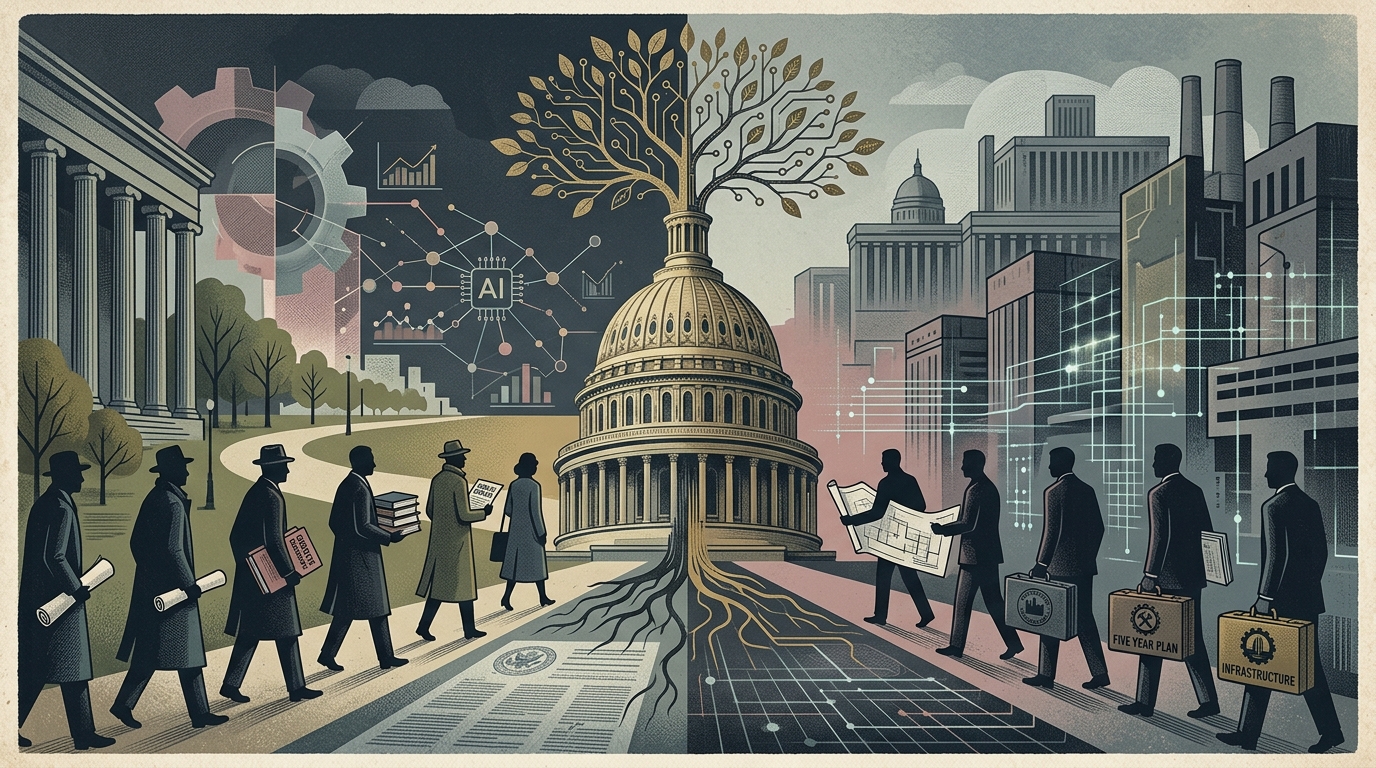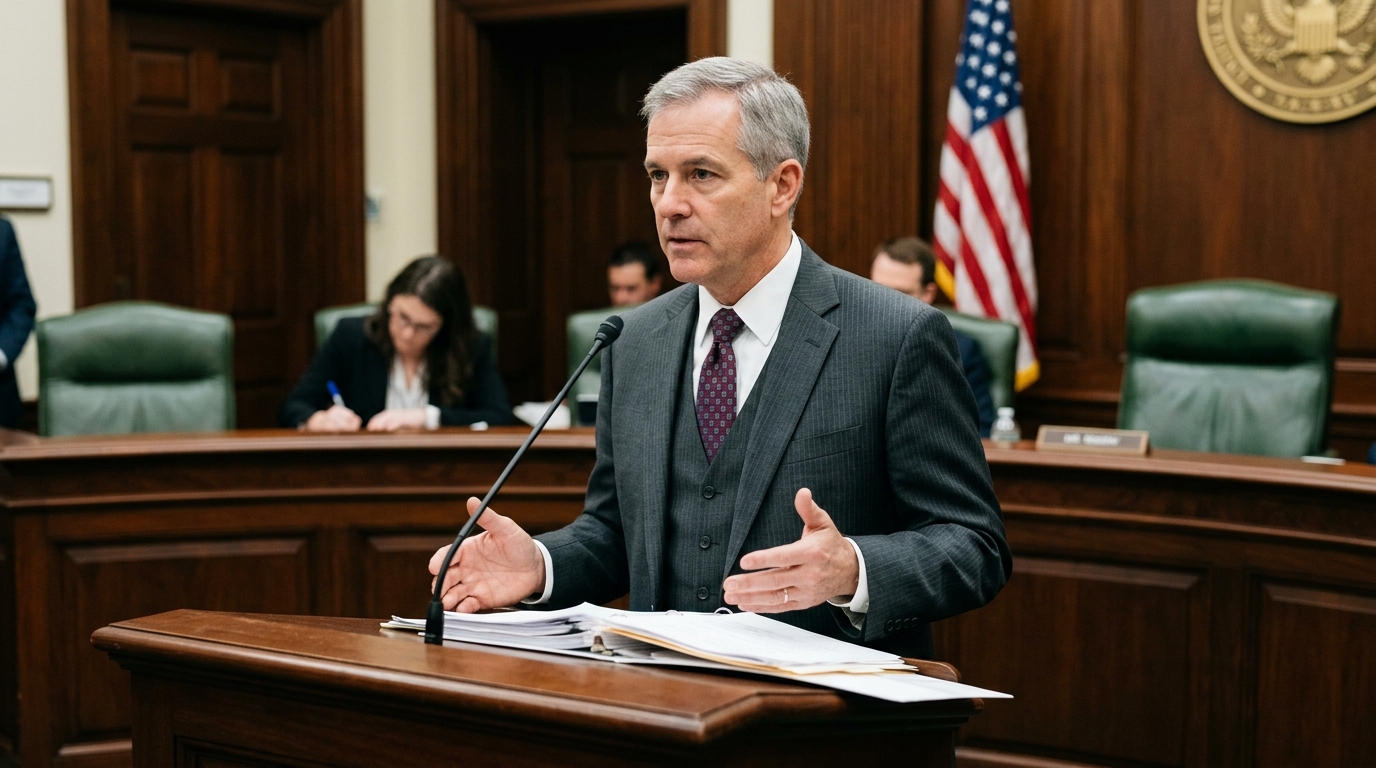
In a pivotal moment for the future of technological governance in the United States, a bipartisan group of House members has introduced an ambitious proposal aimed at establishing a single federal standard for Artificial Intelligence (AI). This move comes as a response to growing concerns that the current "patchwork" of state laws—stretching from California to Colorado—is creating a chaotic environment that stifles innovation and burdens businesses with exorbitant compliance costs.
The Urgency for Federal Cohesion
As AI becomes deeply integrated into every facet of the American economy, states have rushed to fill the legislative vacuum left by Washington. California, with its much-debated SB 1047 bill, and Colorado, with its recent act protecting consumers from algorithmic discrimination, have set high bars that often conflict with one another. For a tech company operating nationally, adhering to 50 different sets of rules is a logistical nightmare.
The new House proposal seeks "pre-emption" of federal law over state initiatives. This means that, if passed, the national law would override most existing state rules on AI, creating a "level playing field" for everyone. Proponents of the move argue that this is essential for the U.S. to remain competitive against China and the European Union, which has already implemented its own comprehensive AI Act.
The Pre-emption Paradox
However, the idea of overriding state laws is not without pushback. Lawmakers from states with strong consumer protection traditions argue that a federal standard might end up being a "lowest common denominator," weakening protections already established at the local level.
"We cannot allow a weak federal framework to erase the hard-won protections of our citizens against algorithmic bias,"noted one representative from California.
The issue of liability also remains a thorny point. Who is responsible when an AI system causes harm? The proposed legislation attempts to balance providing legal certainty to companies with ensuring consumers have a right to redress. The debate centers on whether there should be a "private right of action," which would allow individuals to sue tech companies directly for AI rule violations.
Innovation vs. Regulation
The tech industry, through powerful associations like NetChoice and BSA (The Software Alliance), is lobbying heavily for the adoption of the national standard. They argue that ambiguity is the greatest enemy of investment. Without a clear framework, startups are hesitant to deploy new models, fearing future litigation.
- Clarity: A single rulebook for all 50 states.
- Competitiveness: Faster product deployment without the burden of multiple compliance layers.
- Safety: Unified standards for pre-release model testing (red-teaming).
In conclusion, the move by House members signals a new phase in American tech policy. We are moving from an era of "unregulated" growth to one of institutional maturity, where the state seeks to define the boundaries of the 21st century's most powerful technology. Whether Washington can overcome polarization and deliver a functional law before 2027 remains the ultimate question.