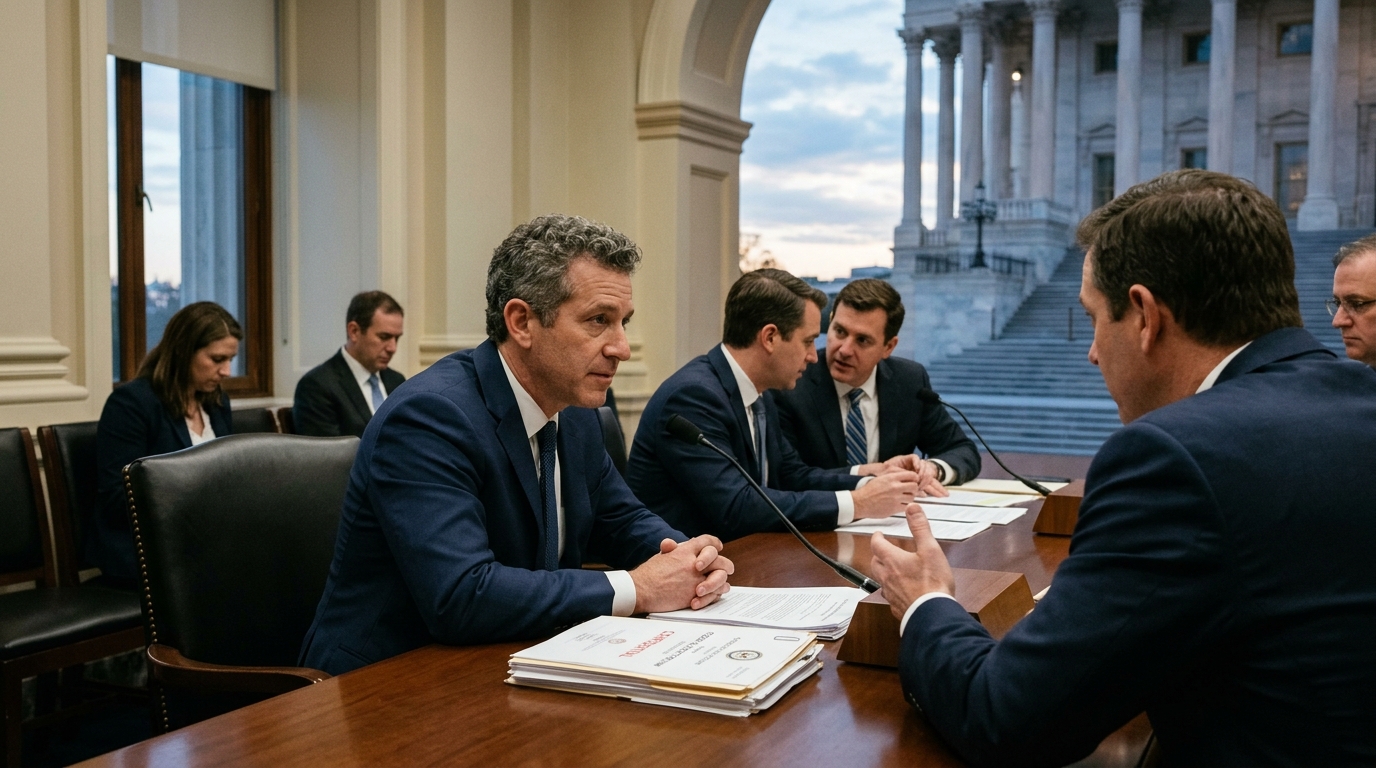
In a move that many analysts are calling the end of the "Wild West" era for Silicon Valley, three of the most powerful players on the global AI chessboard—Google, Microsoft, and Elon Musk’s xAI—have reached a landmark agreement with the United States government. The deal involves submitting their future AI models to rigorous federal testing protocols before they are released to the public. This development, announced via the US Department of Commerce, represents the first substantive implementation of President Biden’s Executive Order on the safe development of artificial intelligence.
The US AI Safety Institute Takes Center Stage
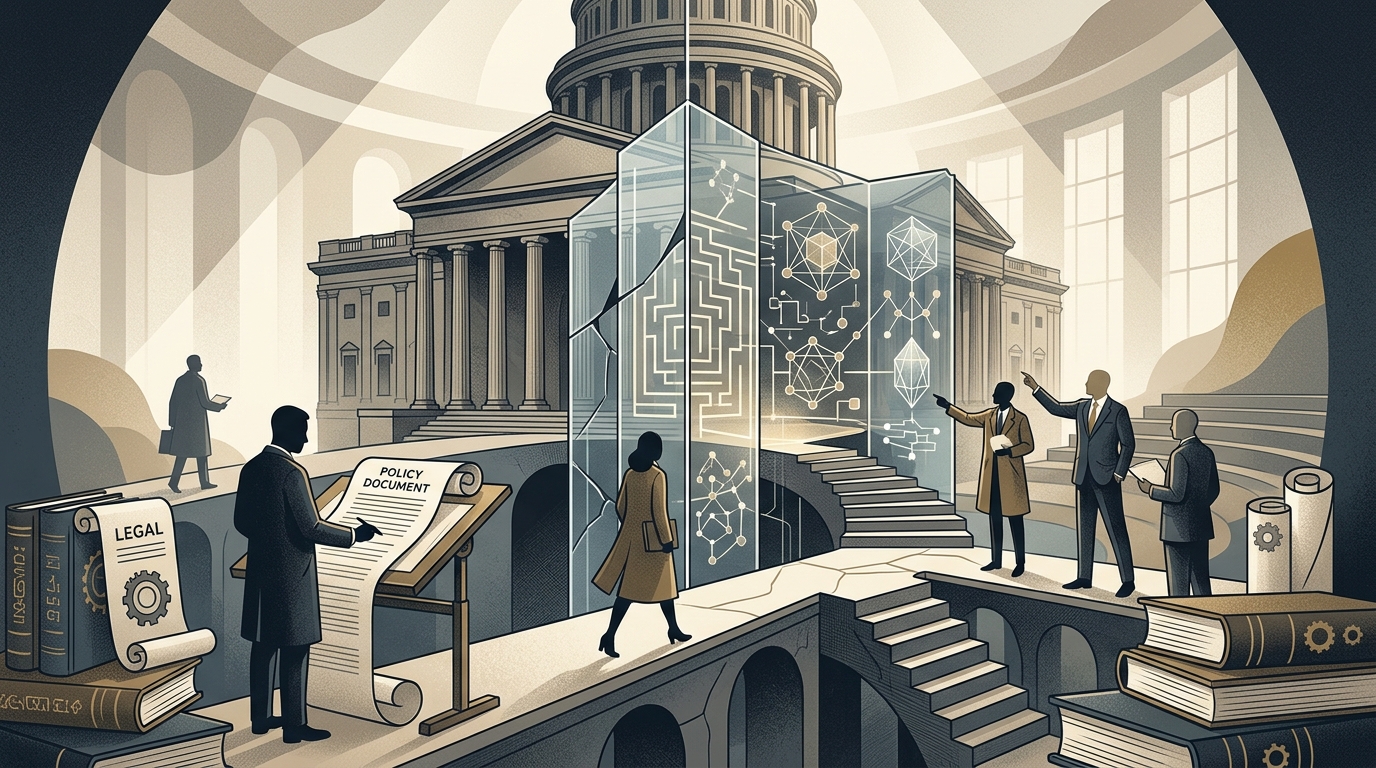
The burden of oversight now falls on the shoulders of the newly established US AI Safety Institute (US AISI), operating under the National Institute of Standards and Technology (NIST). Until now, corporate commitments have been largely voluntary, based on vague promises of "responsible development." However, this new agreement formalizes those promises into a structured process. The companies will provide the Institute with access to new models both before and after their training phases, allowing government scientists to evaluate risks related to cybersecurity, biosecurity, and the potential for social manipulation.
- Assessment of "dual-use" capabilities that could facilitate cyberattacks.
- Screening for the potential to create hazardous chemical or biological agents.
- "Red teaming" exercises to uncover hidden biases or harmful outputs.
- Ensuring models cannot bypass human safety overrides or autonomous control limits.
The xAI Strategy and Musk's Pivot
The inclusion of xAI is particularly noteworthy. Elon Musk, who has been one of the most vocal critics of unregulated AI while simultaneously running his own company to challenge OpenAI, seems to be choosing government collaboration as a strategic lever against his competitors. With its Grok model, xAI aims to prove that transparency and safety can coexist with high performance. Musk’s move is also interpreted as an effort to ensure that regulatory frameworks do not exclusively favor "incumbent" players like Microsoft and Google, who have long-standing ties to the political establishment.
"AI safety is not an option; it is a prerequisite for the survival of our civilization," Musk recently stated, and joining this federal program is the practical manifestation of that rhetoric.
Geopolitical Implications and the Race with China
Washington is making no secret of the fact that this move has a strong geopolitical dimension. As China implements its own strict control framework over corporate algorithms, the US is seeking to establish a "democratic standard" for AI governance. The goal is to persuade allies in Europe and Asia to adopt similar protocols, creating a unified front against authoritarian uses of the technology. This agreement serves as a counterweight to the European Union's AI Act, demonstrating that the US prefers an approach based on technical testing and collaboration rather than horizontal prohibitions and heavy-handed bureaucracy.
Challenges and Questions for the Future
Despite the government's enthusiasm, serious questions remain. How "independent" can an Institute be when it relies on the technical infrastructure and expertise of the very companies it is tasked with monitoring? Furthermore, there is the risk of "regulatory capture," where tech giants help draft rules so complex that no small startup can afford to comply. Balancing national security with the preservation of innovation will be the Department of Commerce's greatest challenge in the coming years. Google and Microsoft, having already invested billions, seem ready to accept the cost of compliance if it guarantees them a seat at the decision-making table in Washington.