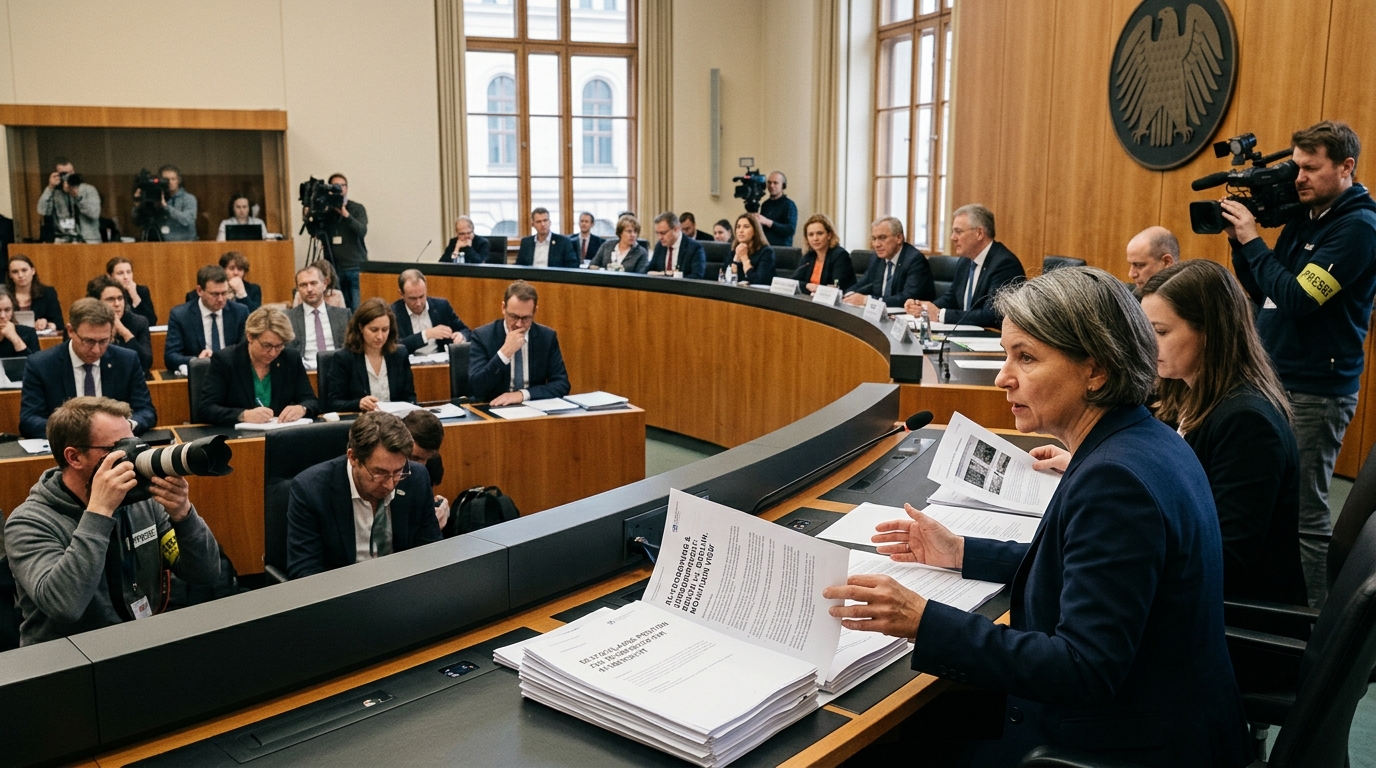
In a move poised to reshape the landscape of the European digital economy, Germany has placed Google firmly in its crosshairs. Berlin is demanding full accountability for the artificial intelligence-generated summaries—known as AI Overviews—that the tech giant has integrated into its search engine. This confrontation is more than a regulatory skirmish; it is an existential battle for the future of journalism and the integrity of information in the age of generative AI.
The Threat of 'Zero-Click' Searches
At the heart of the dispute is the fundamental shift in how users consume information. With the integration of large language models like Gemini, Google no longer merely directs users to external websites. Instead, it synthesizes information into a comprehensive summary at the top of the search results page. This leads to the phenomenon of 'zero-click' searches, where users find exactly what they need without ever clicking through to the original source.
For German publishers, this is viewed as a parasitic evolution. Associations such as the BDZV and MVFP argue that Google is leveraging high-quality, expensive journalistic content to train its models and retain users within its own ecosystem. This effectively starves media outlets of the advertising revenue and subscription opportunities necessary to sustain professional newsrooms.
Bundeskartellamt and Regulatory Pressure
The Bundeskartellamt, Germany’s Federal Cartel Office, is scrutinizing whether Google is abusing its dominant market position. Under Section 19a of the German Act against Restraints of Competition, the regulator has the power to intervene in the practices of companies with 'paramount significance across markets.' The German demand for accountability rests on three pillars: transparency regarding sources, the ability for publishers to opt-out without facing SEO penalties, and fair financial compensation.
The German government maintains that if Google acts as a 'publisher of publishers,' it must adhere to the same standards of liability and intellectual property. The argument is clear: innovation should not come at the cost of destroying the very sources that provide the 'raw material' for that innovation.
"We cannot allow an algorithmic summary to replace primary journalistic research while simultaneously draining the resources that make such research possible," stated sources within the German Ministry for Digital Affairs.
Intellectual Property in the Gemini Era
While the EU AI Act provides a broad framework, Germany is pushing for more immediate, specific protections. The legal debate centers on whether AI summaries constitute 'fair use' or are derivative works that require explicit licensing. German authorities are increasingly leaning toward the latter, noting that these summaries are often so exhaustive they render the original article redundant.
Furthermore, the issue of 'hallucinations'—where AI generates false or misleading information—adds a layer of legal complexity. Germany is demanding that Google assume full legal liability for any misinformation produced by its AI tools. This would represent a tectonic shift in platform liability, as tech companies have historically been shielded from responsibility for the content they aggregate or host.
The Future of the Digital Ecosystem
This conflict serves as a bellwether for the entire European Union. If Germany successfully enforces a licensing model for AI summaries, countries like France and Spain—historically protective of their publishing sectors—are likely to follow suit. Google, conversely, has warned that such regulations could stifle innovation or force the company to limit the availability of its AI features in specific markets.
However, Berlin's resolve suggests that the era of unchecked AI expansion at the expense of content creators is ending. The demand for accountability is not merely an economic issue but a democratic one. Ensuring the financial viability of the press is essential for maintaining a pluralistic public discourse in a world increasingly saturated with synthetic content.