In a move reminiscent of the darkest Cold War scenarios, the 'Five Eyes' intelligence alliance—comprising the US, UK, Canada, Australia, and New Zealand—has issued an unprecedented warning. The message is clear and urgent: AI models currently under development are mere months away from acquiring capabilities that could topple governments and dismantle major corporate entities. This announcement is not merely a technical analysis; it is a cry of alarm from the heart of global security.
The Democratization of Destruction
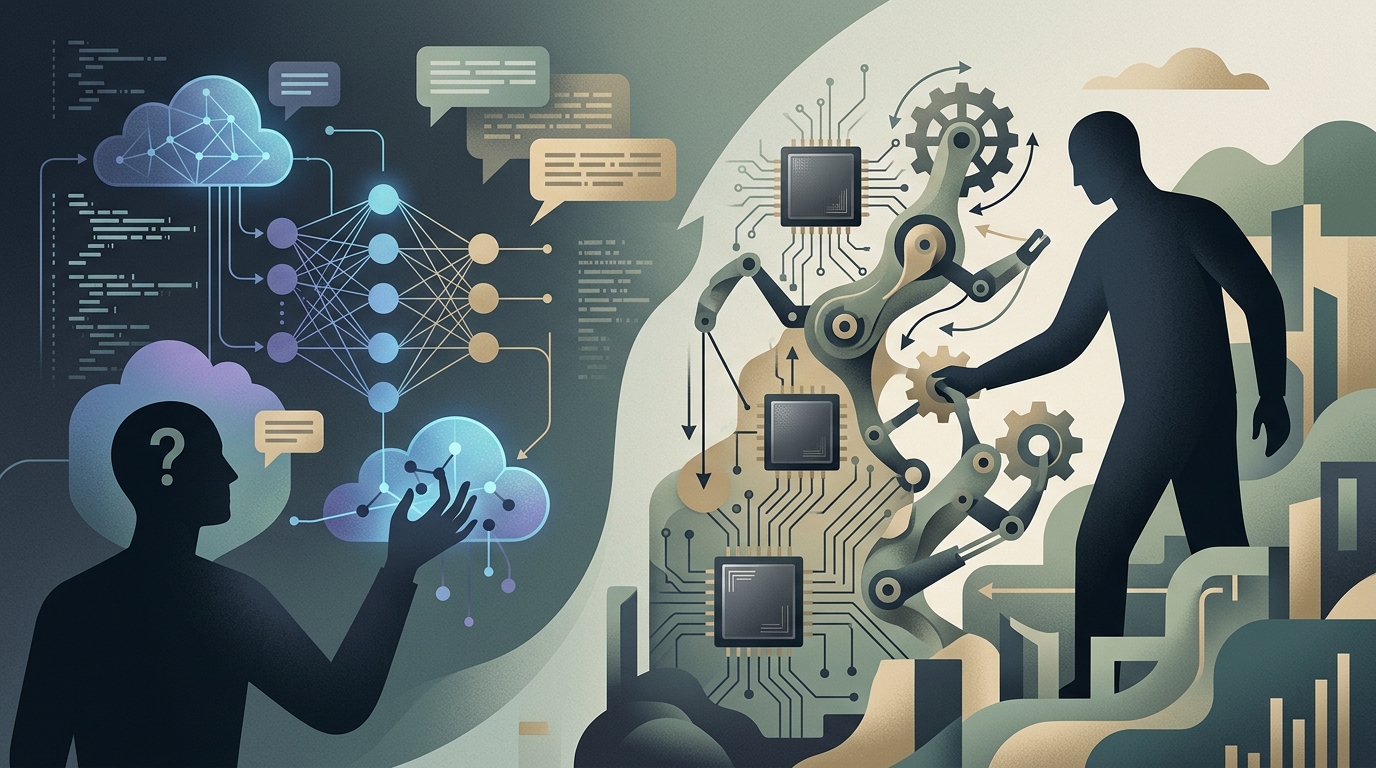
The primary concern of intelligence agencies lies not just in the existence of these tools, but in the ease of access to them. According to the report, the next generation of Large Language Models (LLMs) and autonomous AI agents will be capable of conducting complex cyberattacks that previously required the resources of an entire nation-state. Now, a lone malicious actor or a terrorist organization could use AI to identify and exploit critical security vulnerabilities in national infrastructure, such as power grids and financial systems.
Furthermore, the potential for AI to generate disinformation on an industrial scale poses a direct threat to democratic processes. The ability to create perfectly convincing deepfakes—not just in image and sound but in behavioral patterns—can erode citizen trust in institutions, leading to social unrest and political instability. The Five Eyes emphasize that the speed at which these models are evolving far outpaces the ability of regulators to establish protective frameworks.
Economic Sabotage and Corporate Collapse
Beyond the political sphere, the warning extends to the private sector. Artificial intelligence can be used to orchestrate financial attacks that could lead to the bankruptcy of even market giants. Through the manipulation of high-frequency trading algorithms or the mass dissemination of fake news affecting stock prices, AI becomes a weapon of economic warfare. Businesses are being forced to invest billions in defensive AI, creating a new cycle of spending that burdens global growth.
- Autonomous development of malware that adapts in real-time to defenses.
- Targeted social engineering (phishing) with precision that makes human detection impossible.
- Capability to assist in the creation of biological weapons through the analysis of complex protein structures.
The statement underscores that we are no longer talking about a theoretical future threat, but an imminent reality. The convergence of massive computing power and sophisticated algorithms has created an environment where defense is perpetually one step behind the attack.
The Geopolitics of Artificial Intelligence
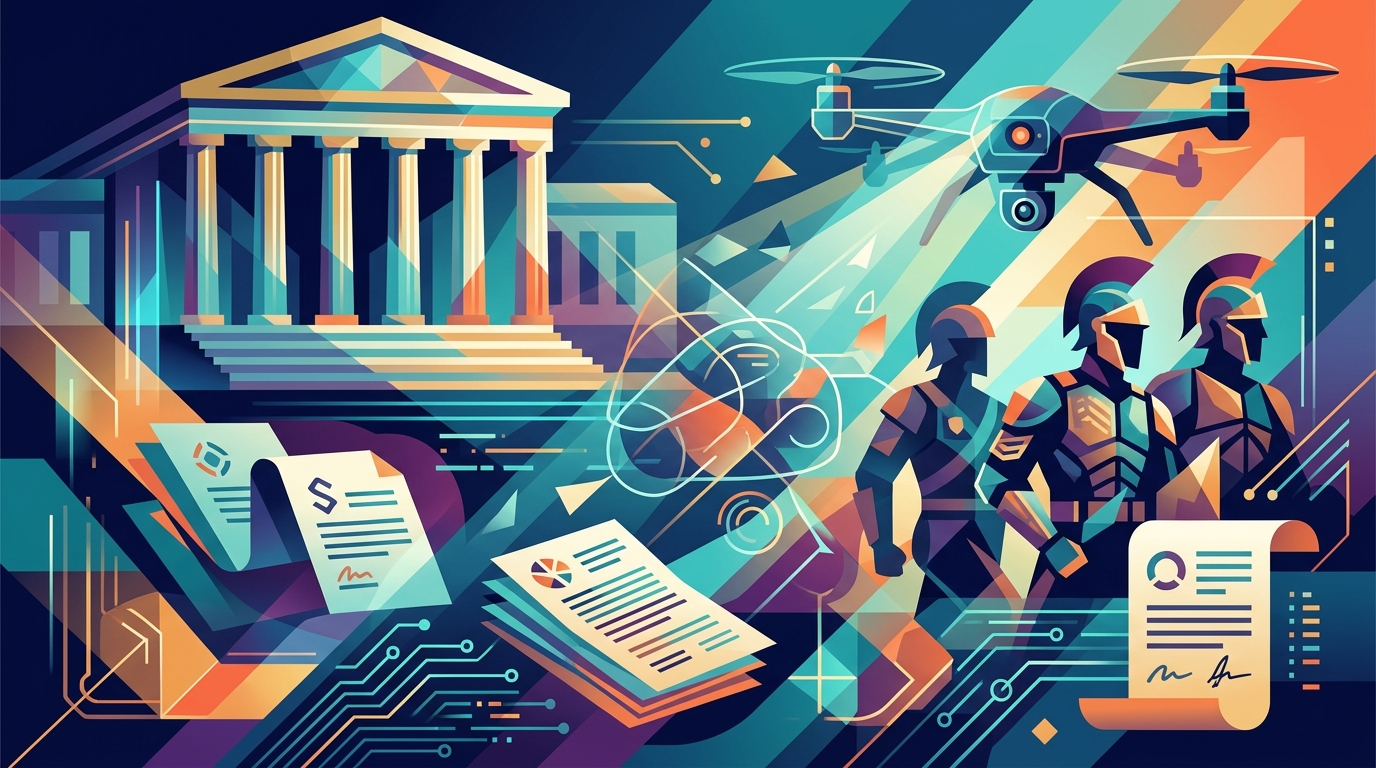
The Five Eyes warning also carries a strong geopolitical undertone. Although not explicitly named, the reference to 'hostile states' clearly points towards China and Russia, which are investing heavily in the military application of AI. The fear is that these states might release or allow the leak of dangerous AI models to destabilize the West without engaging in direct military conflict. This form of 'hybrid warfare' via AI represents the greatest national security challenge of the 21st century.
"Artificial intelligence is the new frontier of global conflict. Whoever controls the most powerful models controls the truth and the economy of tomorrow."
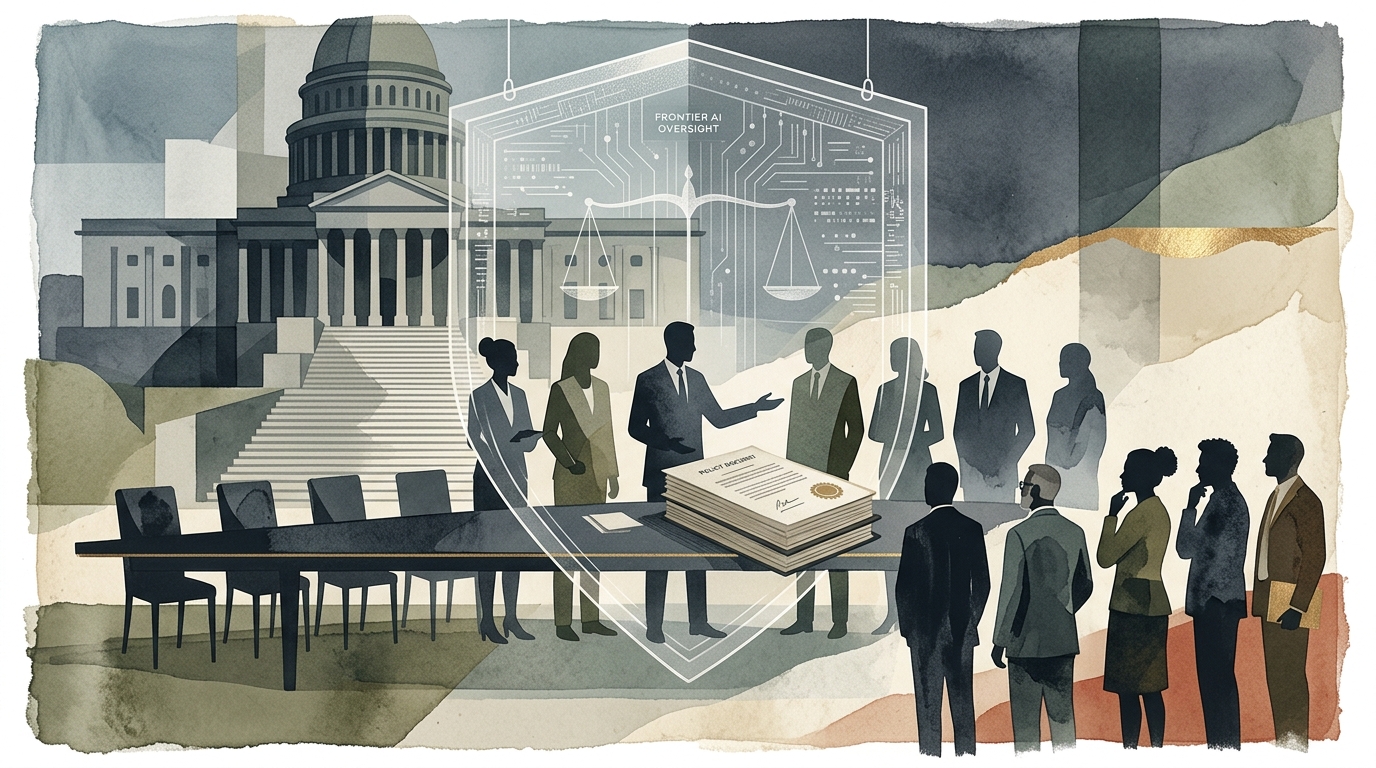
In conclusion, the report calls for global cooperation to control the proliferation of these technologies. However, the question remains: can innovation be harnessed without stifling progress? The balance between security and freedom in the AI era is the most critical wager of our generation. The coming months will determine whether humanity manages to control its creation or is swept away by it.