The era of internet innocence is long gone, but the advent of generative artificial intelligence (AI) has transformed the cybercrime landscape into a minefield where reality is now optional. According to recent data processed by the FBI and the Internet Crime Complaint Center (IC3), AI-supported scams are no longer a future threat but a present crisis costing the global economy billions of dollars annually.
The Transformation of Digital Deception
For decades, online scams were easily identifiable by poor English, grammatical errors, and outlandish promises of inheritances from distant princes. Today, AI has eliminated these "tells." Criminals are now using Large Language Models (LLMs) to draft perfectly personalized emails that mimic the style and tone of specific corporate executives or loved ones.
The FBI reports an alarming increase in Business Email Compromise (BEC) attacks, where AI is used to create convincing deepfake audio messages. Imagine an accounting employee receiving a call from their "CEO," with a voice that is identical, requesting an urgent transfer of funds. This voice cloning technology, which now requires only a few seconds of audio sampled from social media, has become the ultimate weapon in the hands of fraudsters.
The Shocking Statistics
While total losses from cybercrime in 2023 exceeded $12.5 billion, estimates for 2024 and 2025 show an exponential rise due to AI. The FBI has begun specifically tracking "AI-enabled" scams, finding that the speed and scale of attacks have quintupled. Criminals no longer need to target one victim at a time; they can automate thousands of personalized attacks simultaneously.
- Romance Scams: Using AI avatars and chatbots that develop months-long "relationships" with victims before soliciting money.
- Investment Scams (Pig Butchering): Using AI to create fake investment platforms that appear entirely legitimate.
- Deepfake Extortion: Creating forged content (images/videos) to blackmail individuals and corporations.
Federal Response and Enforcement Challenges
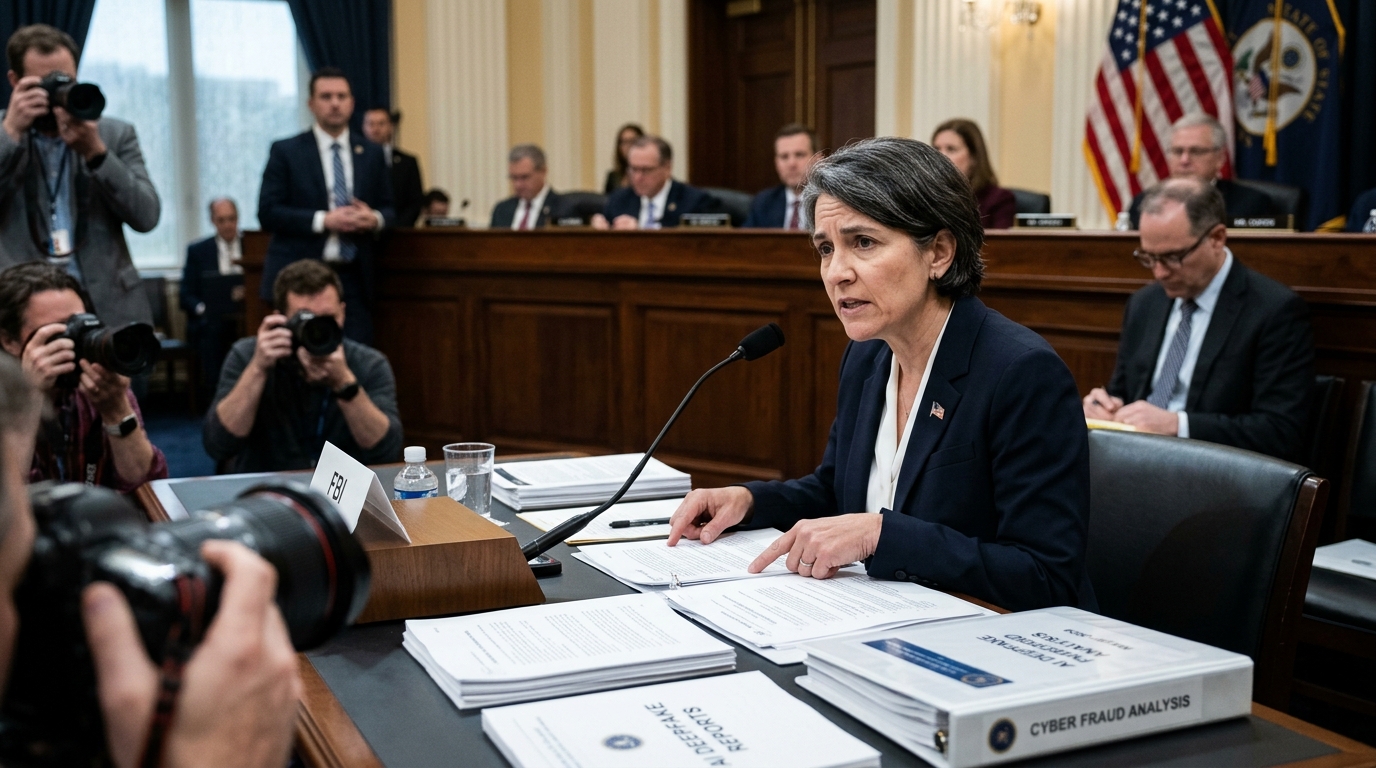
The FBI has upgraded its systems, integrating AI tools of its own to detect patterns within massive volumes of data. However, the challenge remains jurisdiction. Many of these attacks originate from safe-haven states or organized crime syndicates in Southeast Asia and Eastern Europe, making arrests extremely difficult.
"We are no longer dealing with lone hackers, but industrialized fraud operations that function with the efficiency of Silicon Valley companies," says a senior official from the cybercrime division.
Legislative responses in the US, such as the proposed DEFIANCE Act, aim to criminalize the non-consensual creation of deepfakes, but technology moves faster than bureaucracy. The FBI emphasizes that the best defense remains education: verification through alternative communication channels and the adoption of multi-factor authentication that does not rely solely on voice or image.
The Future of Digital Trust
As we move into the latter half of the decade, the concept of "digital proof" is collapsing. The FBI warns that soon, no video or audio document will be considered authentic without a cryptographic signature. Companies are being urged to invest in "Zero Trust" systems, where every request for resource or data transfer is treated as a potential threat, regardless of how familiar the source appears. The battle between defensive AI and offensive AI is the new Cold War of the digital age, and the losses are real, painful, and mounting.