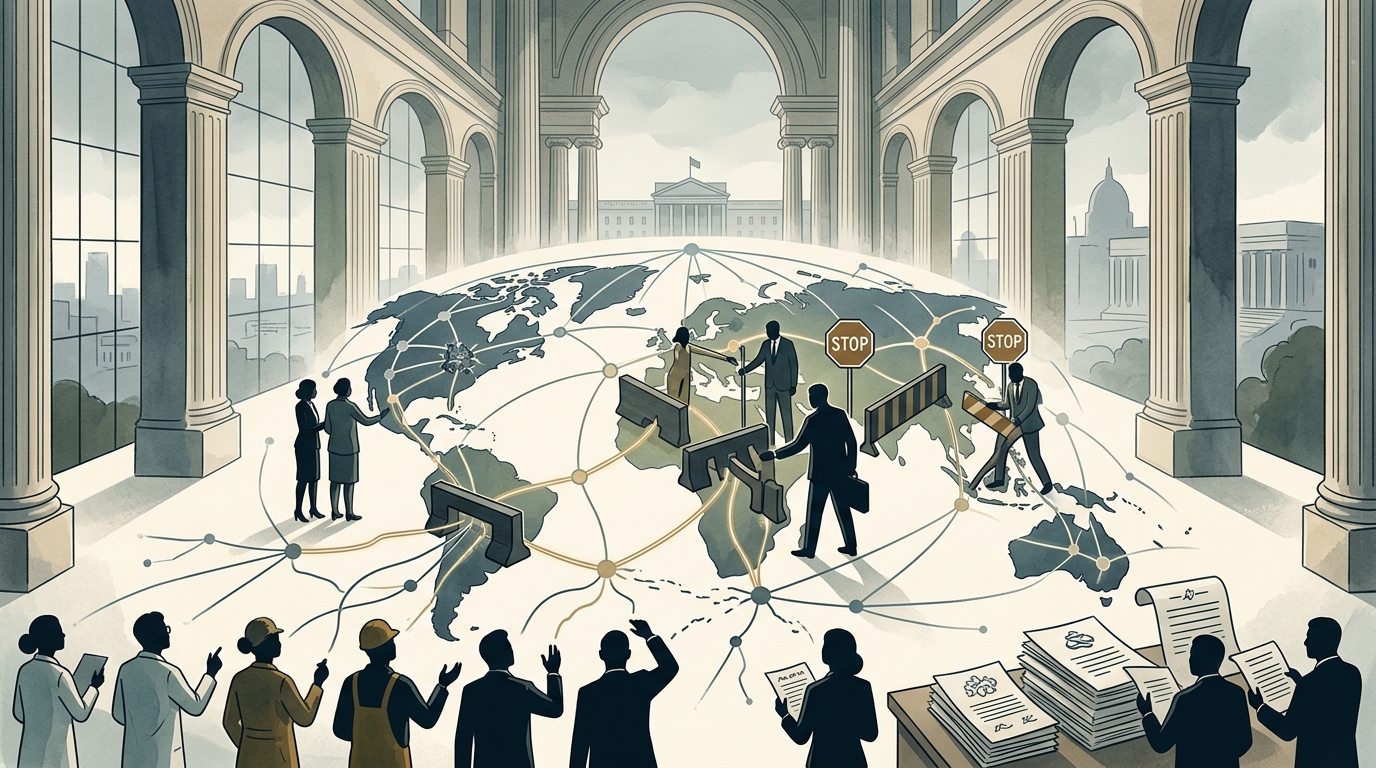
In an era where the line between reality and digital illusion is becoming increasingly blurred, the European Union is attempting to lay the foundations for a new ethical order in cyberspace. The new "Code of Practice on labeling and identifying AI-generated content" is not merely a bureaucratic addition, but an existential necessity for safeguarding the democratic process and social cohesion.
With the implementation of the AI Act now in full swing as of June 2026, the European Commission is specifying the obligations of tech giants. The goal is clear: every image, video, or audio clip created or significantly modified by algorithms must carry a clear, readable, and technically resilient label. This "digital watermark" aims to be the antidote to the epidemic of deepfakes that are shaking citizens' trust in institutions.
The Technical Challenge and Transparency Standards
Implementing this code is no simple task. The technical challenges are immense, as AI content creators and distribution platforms must agree on common standards. The adoption of the C2PA (Coalition for Content Provenance and Authenticity) standard serves as the central reference point. This protocol allows for the embedding of metadata that records a file's "provenance," from the moment of creation to its last edit.
However, the industry faces a "resilience" problem. Watermarks can often be removed or altered by malicious actors seeking to spread fake news. The new EU Code requires companies to develop technologies that are "difficult to bypass," setting the bar of responsibility very high for companies like OpenAI, Google, and Meta. The challenge lies in finding the sweet spot between privacy protection and the need for traceability.
Protecting Democracy and Electoral Processes
The timing of this initiative is not accidental. As we move through 2026, memories of global attempts to manipulate elections via AI remain fresh. The ability of generative AI to produce convincing videos of political leaders saying things they never uttered represents one of the greatest threats to free will. The Code mandates that social media platforms automatically detect and label such content, informing users in real-time.
Furthermore, there is a specific provision for "satirical" content. The EU recognizes the need for artistic expression and humor but insists that even AI-based satire must be recognizable as such, so it is not mistaken for a real event by an uninformed public. This delicate balance between censorship and transparency will be the testing ground for European courts in the coming years.
Implications for the Market and Creators
For businesses, the Code means increased compliance costs but also an opportunity to build a "trust brand." Companies that lead the way in clear labeling will gain an advantage in a market that now demands honesty. On the other hand, independent creators express concerns about whether these measures will stifle their creativity or burden them with complex technical requirements.
The EU, however, remains firm: transparency is not an obstacle to innovation but a prerequisite for its sustainable growth. Without rules, the AI market risks collapsing under the weight of distrust. The Code of Practice is the first step toward a digital world where truth will once again have value, and technology will serve humanity instead of misleading it.