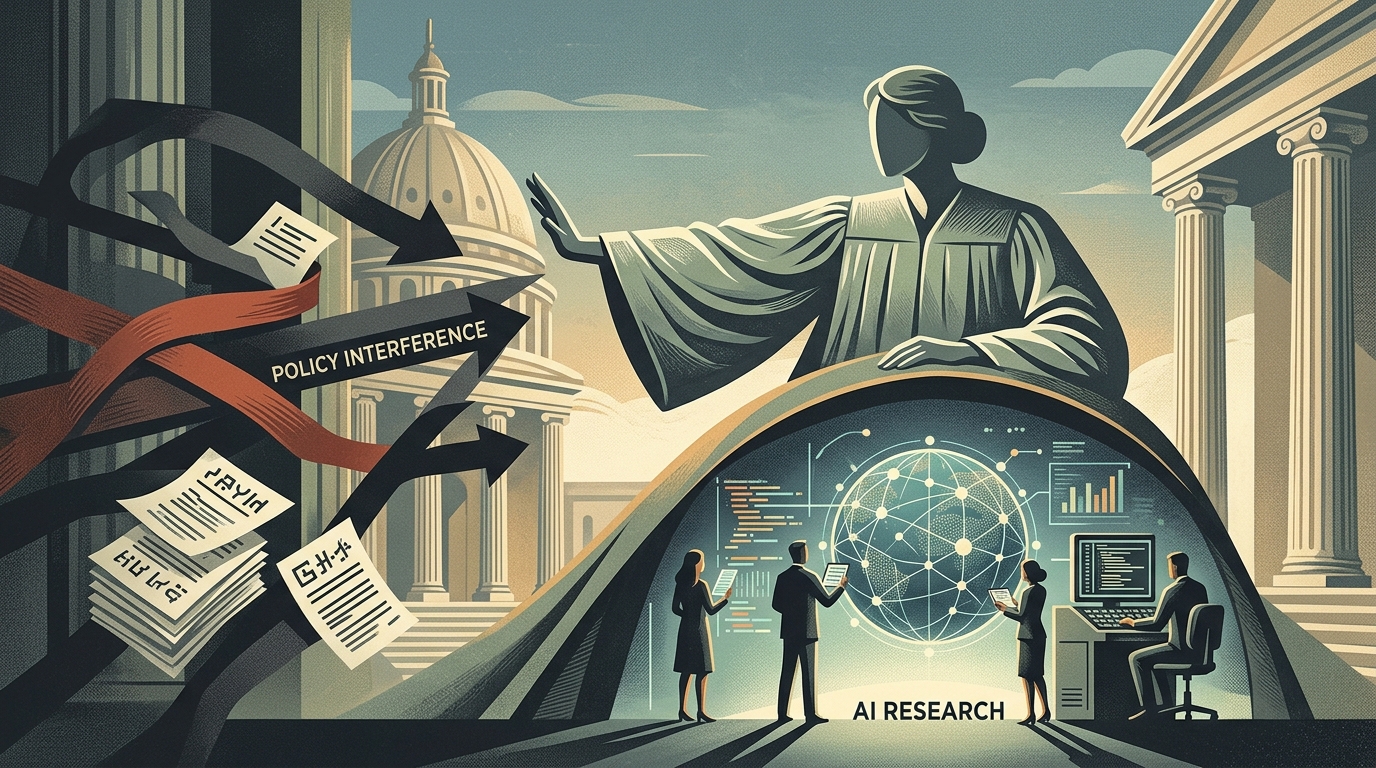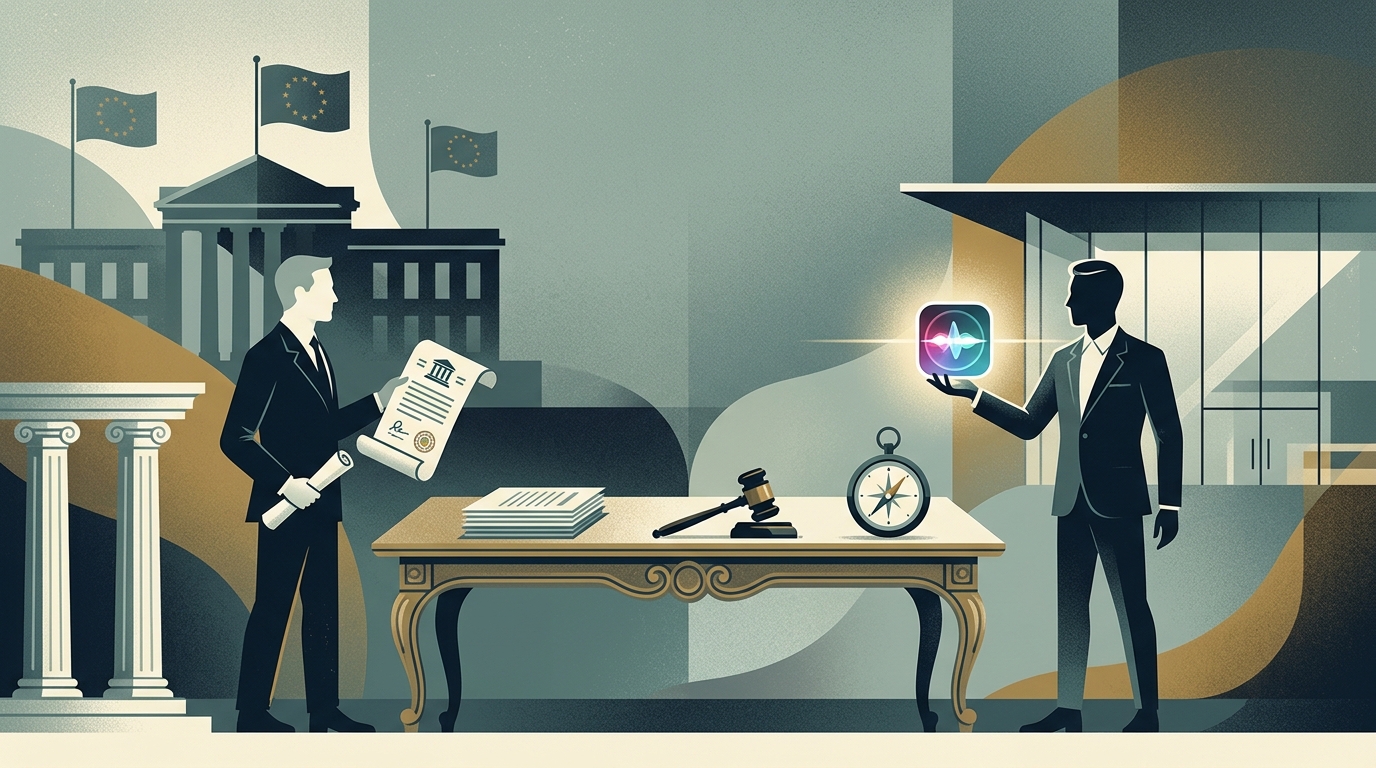
In the corridors of Brussels, where bureaucracy meets technological frontier, a critical act in the drama of global digital governance played out last week. The European Union characterized talks with Apple CEO Tim Cook as 'constructive,' aiming to bridge the divide opened by the implementation of the Digital Markets Act (DMA) and Apple's subsequent decision to delay the rollout of Apple Intelligence in Europe.
The Anatomy of a Regulatory Clash
The root of the friction lies in the EU's stringent legislation designed to curb the power of technological 'gatekeepers.' When Apple unveiled Apple Intelligence—the AI-powered reimagining of Siri—in the summer of 2024, it made it clear that European users would be left out, at least for the time being. The company cited 'privacy uncertainties' and the DMA’s interoperability requirements, which Apple argued could compromise the integrity of user data security.
However, the reality is more nuanced. The DMA requires companies like Apple to allow third-party providers to interact seamlessly with their ecosystems. For a corporation that has built its empire on the 'walled garden' philosophy, the mandate to open Siri to competing AI models or provide deeper OS-level access is perceived as an existential threat to its business model and its promise of end-to-end security.
Cook’s Strategy and the EU’s Firm Stance
Tim Cook’s visit to Brussels was far from a mere courtesy call. It was an acknowledgment that Europe remains a vital, high-purchasing-power market that Apple cannot afford to alienate. The 'constructive' nature of the talks suggests that Apple might be exploring technical solutions that satisfy EU mandates without dismantling the company’s core security architecture.
- Interoperability: The central challenge is enabling Siri to work with third-party apps without exposing sensitive personal data to external vulnerabilities.
- Data Privacy: The EU insists that AI processing must adhere strictly to GDPR, a standard Apple claims to meet via its Private Cloud Compute technology.
- Fair Competition: Regulators are wary that integrated AI features will further solidify Apple’s monopoly over the iOS ecosystem, making it harder for alternative services to thrive.
"Innovation cannot be used as a shield to bypass competition laws," a senior Commission official stated following the meeting.
Impact on the European Consumer
As the two sides negotiate, the European consumer remains in a state of technological limbo. While users in the United States and parts of Asia are beginning to experience advanced automation and generative AI integration, EU residents are limited to a 'standard' version of their devices. This creates a paradox: legislation designed to protect consumers and foster competition is, in the short term, depriving them of the latest technological advancements.
This situation underscores the broader challenge of Europe’s 'digital sovereignty.' The EU strives to set global rules (the so-called Brussels Effect), yet it lacks its own homegrown tech giants capable of competing with the likes of Apple or Google on equal footing. The outcome of these talks will determine whether Europe remains a regulatory superpower or risks becoming a technological backwater that receives innovations late and under heavy restrictions.
Conclusion: Towards a New Equilibrium?
In the diplomatic lexicon of the EU, 'constructive' usually signifies a willingness to compromise, though the devil remains in the technical details. Apple cannot afford to be shut out of the European AI market, and the EU cannot afford the optics of a continent that 'stifles' innovation. The most likely scenario involves a phased rollout of Apple Intelligence in the EU, featuring specific modifications that offer users more choices and greater transparency regarding algorithmic functions. The battle for Siri’s soul is, in truth, a battle over who will govern our digital lives for the next decade.