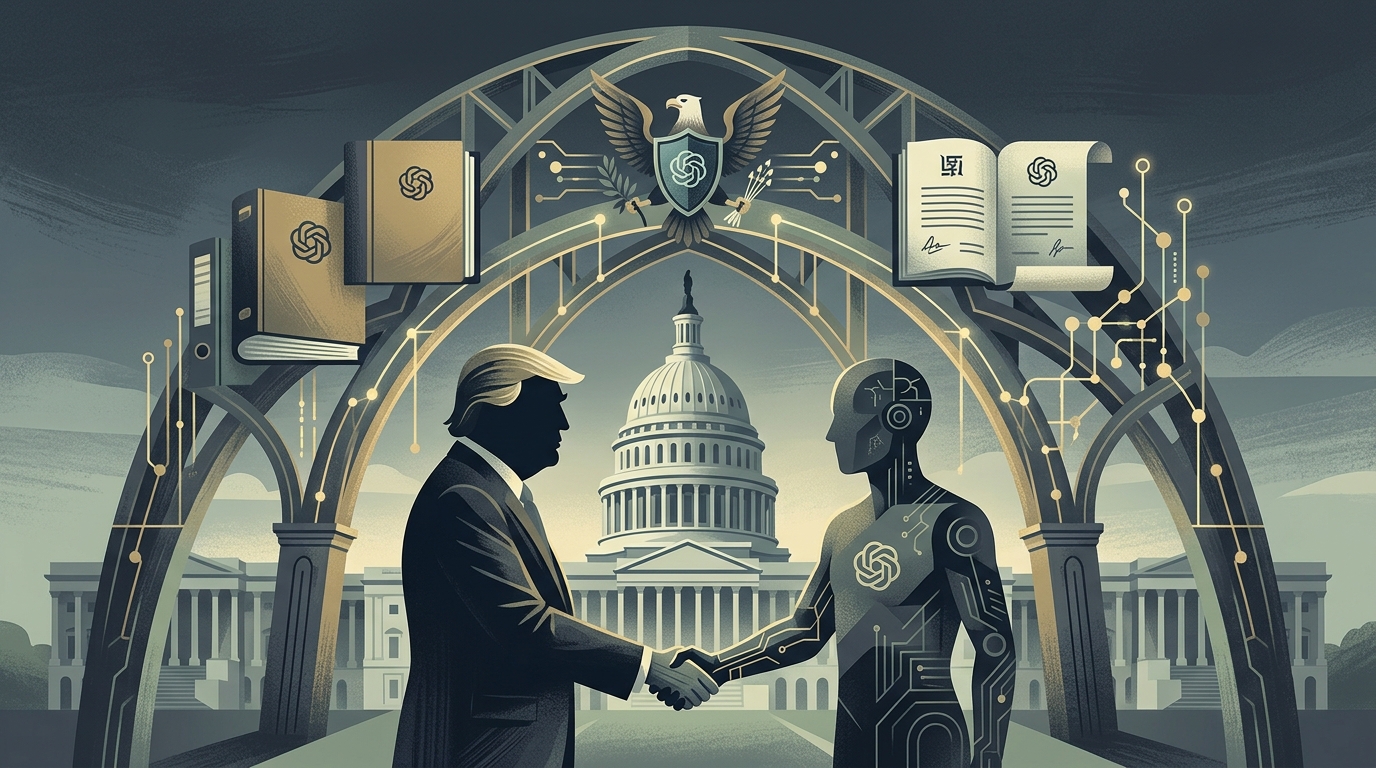
The history of technological progress often follows a predictable arc: innovation sprints ahead in a legal vacuum until its societal and economic repercussions force the state to intervene. Today, we have reached that pivotal moment for Artificial Intelligence (AI). After years of 'hands-off' oversight, regulators in the United States and Europe are sending a clear signal: the era of Silicon Valley's impunity is over.
The Shift from Innovation to Oversight
For decades, the prevailing dogma in Washington was 'permissionless innovation.' The idea was simple: let engineers build, and if something breaks, we will fix it later. However, the advent of Generative AI has fundamentally altered this calculus. The sheer speed at which tools like ChatGPT and Midjourney have integrated into daily life, coupled with the immense concentration of power in a handful of firms, has triggered an international alarm.
In the US, the Federal Trade Commission (FTC) under Chair Lina Khan and the Department of Justice (DOJ) have launched a series of investigations that target not just final products, but the entire AI value chain. From the supply of critical Nvidia GPUs to the multi-billion dollar 'partnerships' between Microsoft and OpenAI, authorities are scrutinizing whether tech giants are using their dominance to stifle competition in its cradle.
The European Model and Global Influence
While the US relies primarily on antitrust enforcement, the European Union has pioneered a structural approach with the EU AI Act. This represents the world's first comprehensive legal framework that categorizes AI systems based on the level of risk they pose to fundamental rights. The Brussels effect is real; just as GDPR changed how the world handles data, the AI Act is setting the global benchmark for algorithmic accountability.
Europe is no longer solely concerned with market monopolies; it is equally focused on how models are trained. The unauthorized use of copyrighted material and the 'black box' nature of neural networks are now regulatory red lines. EU regulators have made it clear that access to the European market of 450 million consumers is contingent upon adherence to strict ethical and safety standards.
The 'Acqui-hire' Strategy Under Scrutiny
A particularly concerning trend for regulators is the rise of 'acqui-hires.' Instead of traditional acquisitions—which would trigger automatic antitrust reviews—major players are hiring a startup's entire leadership and talent pool while licensing its technology, effectively hollowing out the original entity. Microsoft’s deal with Inflection AI serves as the textbook case that has put the FTC on high alert, leading to investigations into whether these deals are 'mergers in disguise.'
- Scrutiny of cloud infrastructure control as a barrier to entry for smaller firms.
- Mandatory transparency regarding training data sources to protect intellectual property.
- Prevention of algorithmic bias in high-stakes sectors like healthcare and employment.
Conclusion: Towards a New Social Contract
The tightening of the regulatory environment does not necessarily signal the death of innovation. On the contrary, many analysts argue that clear rules of the road will create a more level playing field for startups and increase public trust in AI systems. The stakes in 2026 are not merely about economic dominance; they are about ensuring that the technology defining the 21st century is developed under democratic oversight rather than behind the closed doors of corporate boardrooms.