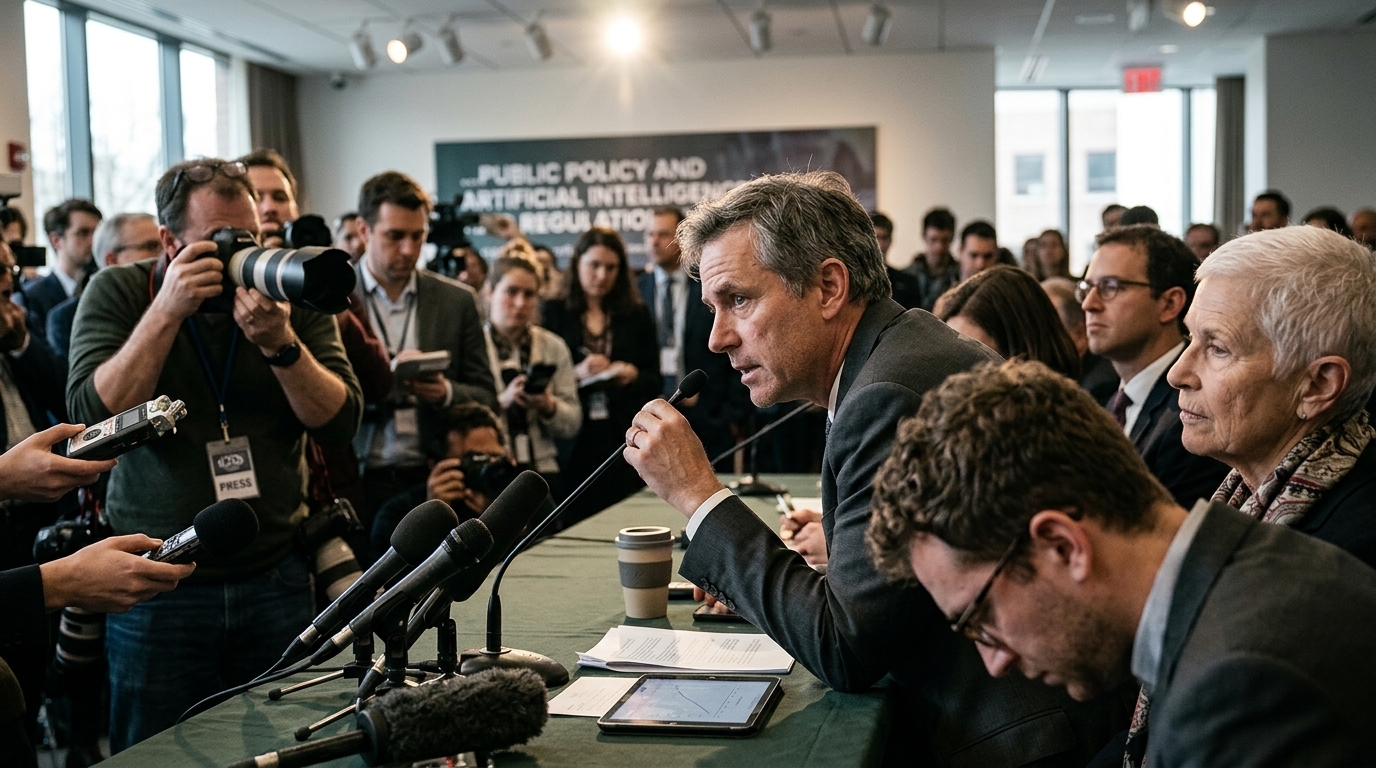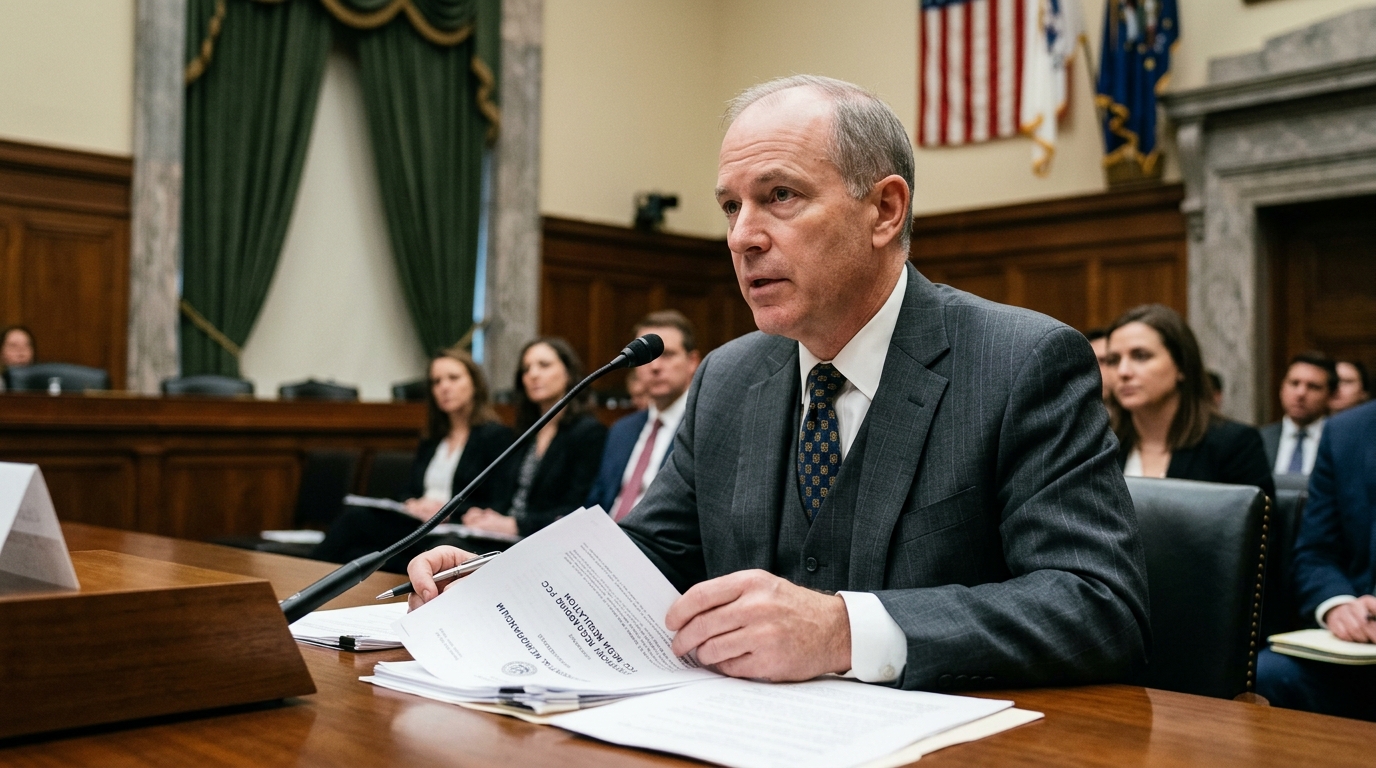
In a move that signals a major turning point in the relationship between American media and the federal government, Walt Disney Co. has decided to adopt a significantly more aggressive stance in defending its ABC network. This shift comes in response to mounting pressure from the Federal Communications Commission (FCC) under the Trump administration, which has targeted the network's broadcast licenses, citing alleged bias and violations of public interest standards.
Bob Iger’s Strategic Pivot
For a long time, Disney’s leadership, under Bob Iger, preferred the path of back-channel diplomacy. The theory was simple: Disney is a global entertainment giant that cannot afford a protracted war with the government of its largest market. However, recent developments indicate that a "red line" has been crossed. Disney's decision to support ABC in a "more spirited way" than last year is not just a legal maneuver, but an existential statement about the integrity of its journalistic arm.
According to sources close to Burbank, Disney’s legal team has been given the green light to challenge any attempt by the FCC to interfere in ABC’s internal affairs. The FCC’s pressure is no longer limited to mere recommendations; it extends to threats regarding the non-renewal of licenses for local stations owned by the network—a move that could cause billions of dollars in financial losses.
The Weaponization of Broadcast Licenses
The FCC, under its new leadership, appears to be weaponizing the licensing process in a way reminiscent of a different era. While historically licenses were renewed almost automatically unless there were severe technical violations, today, news content is being put under the microscope. White House rhetoric regarding "enemies of the people" has translated into regulatory action, with the FCC examining whether ABC adheres to principles of "objectivity"—a term many analysts believe is being used as a pretext for censorship.
- Disney argues that the First Amendment of the Constitution protects the editorial independence of networks.
- The company’s legal advisors are preparing for a long legal battle that could reach the Supreme Court.
- The strategy includes mobilizing other major media conglomerates, as a defeat for Disney would set a dangerous precedent for all.
Economic and Political Implications
This conflict is not just about news. For Disney, ABC remains a critical part of its ecosystem despite the rise of streaming. Local stations generate significant cash flow that funds expensive Disney+ productions. If the FCC succeeds in damaging ABC’s operations, Disney’s overall valuation will take a massive hit. Furthermore, there is a risk that the administration might use other regulatory levers, such as antitrust authorities, to pressure the company in other areas, like theme parks or acquisitions.
"This is no longer a simple regulatory dispute. It is a test of whether major corporations can stand up to political bullying," says a senior media analyst in New York.
Disney’s stance appears to be emboldening other market players. Comcast (NBC) and Paramount (CBS) are closely monitoring the situation, knowing that if ABC "falls," their own licenses will be next. The battle currently unfolding in Washington will determine the future of free-to-air television in the U.S. for decades to come.
Conclusion: Defense as the Only Option
As we move into the second half of 2026, Disney seems to have concluded that appeasement does not work. Its decision to "dig in" behind ABC shows a new maturity in how tech and entertainment giants manage political power. The outcome of this confrontation will be the ultimate test of institutional resilience against executive overreach.