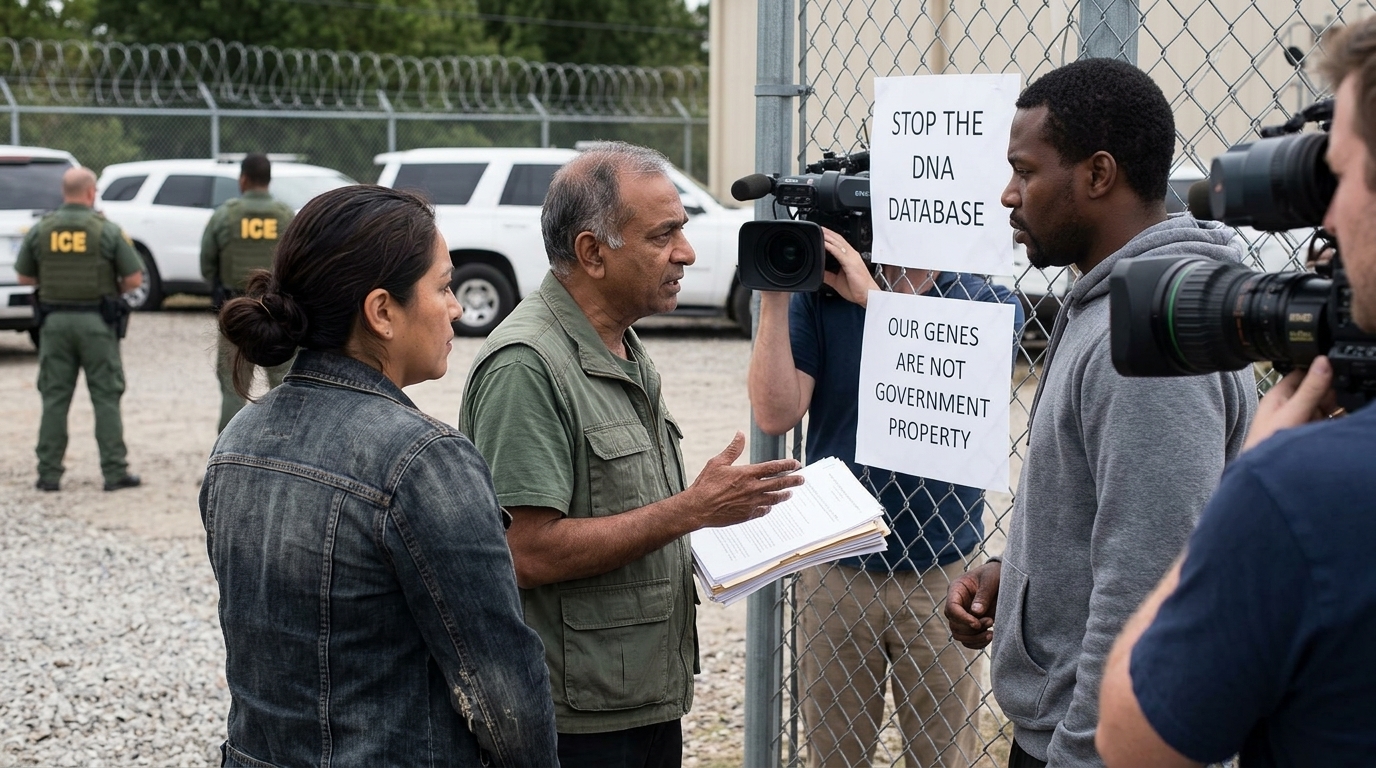
In an era where technology and biometrics converge at a dangerous crossroads, the recent lawsuit against the U.S. Department of Homeland Security (DHS) highlights a grim reality: the attempt to transform the human genetic code into a tool for political repression. The case, filed in May 2026, alleges that the federal government is attempting to expand DNA sample collection far beyond the boundaries of criminal justice, targeting individuals who criticize the policies of Immigration and Customs Enforcement (ICE).
The Genetic Panopticon and the Expansion of Surveillance
The central allegation of the lawsuit is that DHS has begun utilizing "Rapid DNA" technology to create an extensive database of biometric data that is no longer limited to those convicted of serious crimes. According to the plaintiffs, which include civil liberties organizations and activists, this practice has expanded to include protesters and individuals held temporarily for administrative immigration violations.
Rapid DNA technology allows for the processing of samples in less than 90 minutes, without the need for a specialized laboratory. This ease of use has led to an explosion of data collection at borders and detention centers. However, linking this data to the FBI’s CODIS (Combined DNA Index System) creates a permanent digital footprint that follows a citizen for life, regardless of whether charges are ever filed.
"Our DNA is the most intimate information we possess. Turning it into a surveillance tool for political dissidents is a flagrant violation of the Fourth Amendment," says one of the legal representatives for the plaintiffs.
Constitutional Challenges and the Right to Protest
The lawsuit argues that DHS's actions violate both the Fourth and First Amendments of the U.S. Constitution. The Fourth Amendment protects citizens from unreasonable searches and seizures, while the First Amendment guarantees freedom of speech and assembly. Activists argue that the threat of having their DNA permanently recorded acts as a "chilling effect" for anyone wishing to protest ICE practices.
- Privacy Violation: DNA contains information not only about the individual but also about their relatives, exposing entire family trees to state oversight.
- Political Targeting: There are reports that samples were collected from individuals who were merely present at peaceful protests outside detention centers.
- Lack of Transparency: The procedures for deleting data from federal databases are labyrinthine and often ineffective.
The government, for its part, defends its practices by citing national security concerns and the need to identify individuals in a complex immigration environment. However, criticism focuses on the fact that technology is far outpacing the legal framework, leaving gaps that allow for the abuse of power.
The Global Dimension and the Future of Biometrics
This case is not just about the United States. It serves as a harbinger of how governments worldwide might use biotechnology to control populations. In Europe, the debate over the AI Act and the use of biometric data in public spaces is already intense. The decision of the American courts will set an international precedent.
If DHS is allowed to continue this practice, the next step could be the integration of DNA into predictive policing systems, where algorithms assess a person’s "risk" based on genetic markers or familial relationships. This scenario, which once belonged to the realm of science fiction, seems disturbingly feasible in 2026.
In conclusion, the legal battle over ICE's DNA collection is a battle for the very essence of freedom in the digital and biological age. The need for stricter controls on the use of biometrics by state agencies is more urgent than ever, as the line between security and tyranny becomes increasingly blurred.