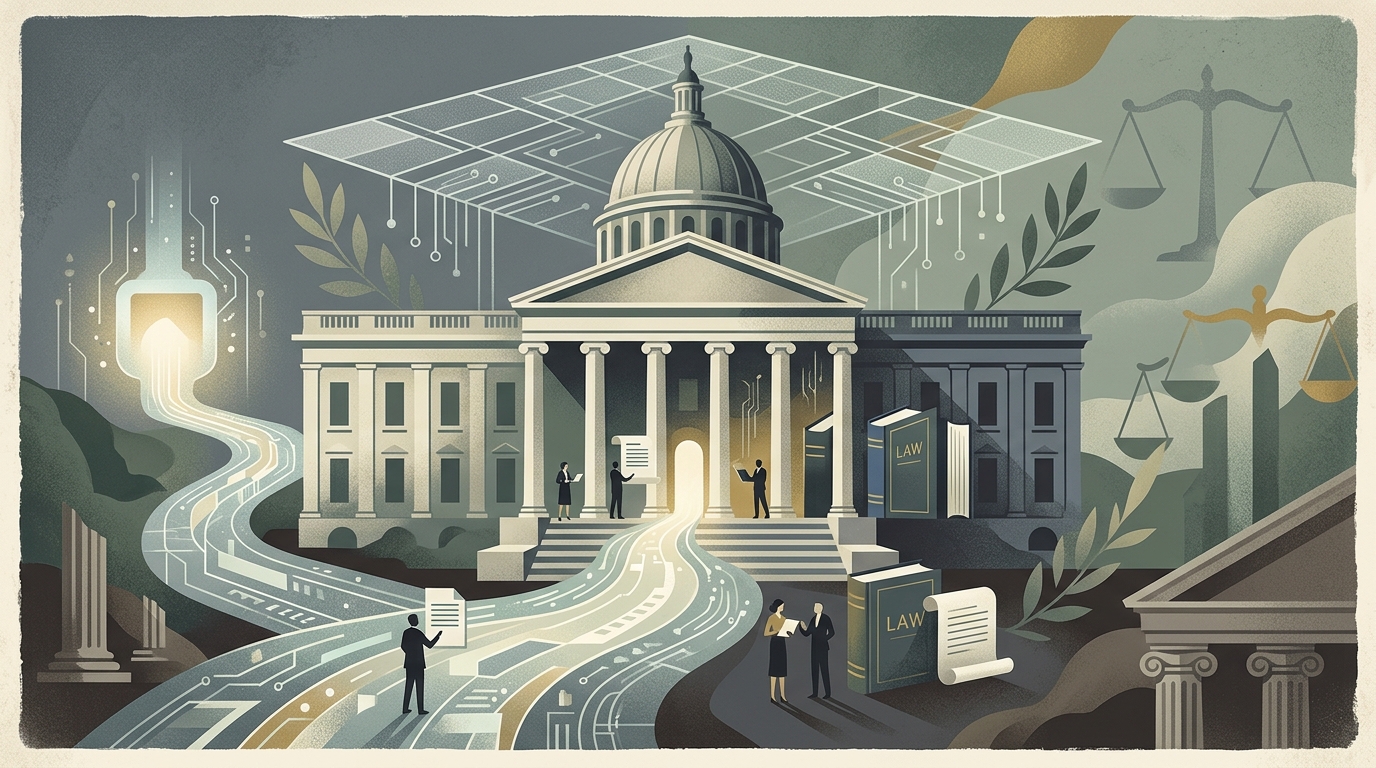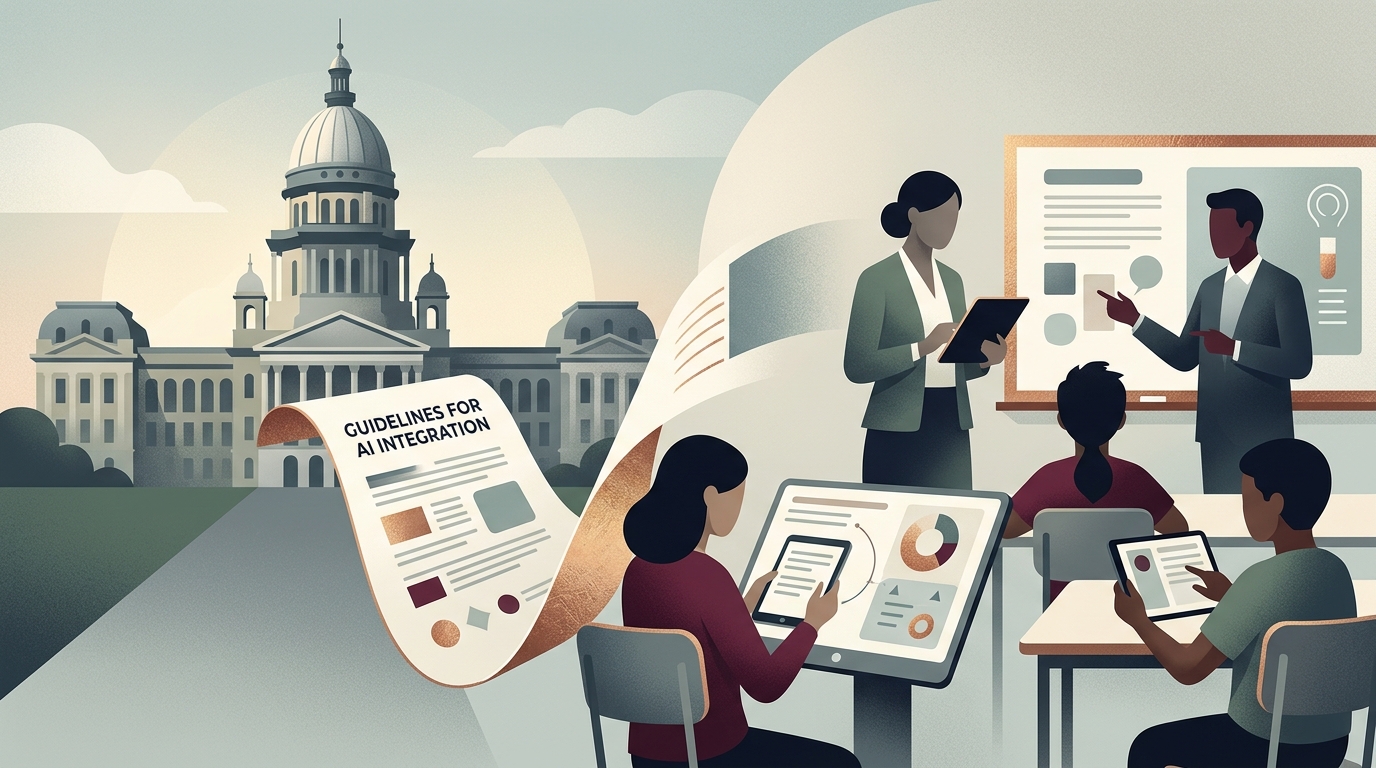
In a watershed moment for the future of public education in the United States, the Illinois State Board of Education (ISBE) has introduced a comprehensive set of guidelines for the integration of Artificial Intelligence (AI) in K-12 schools. This move, arriving in mid-2026, signals the end of the era of "fear and prohibition" and the beginning of a period where AI is viewed as an essential tool for learning and teaching. The guidelines extend beyond mere academic integrity, covering ethical use, data privacy, and the urgent need for critical AI literacy.
From Bans to Empowerment
When ChatGPT and similar generative tools first emerged, the initial reaction of many school districts was to block them from school networks. However, the reality of the labor market and the daily lives of students rendered this approach obsolete. Illinois, recognizing that students will eventually work in an AI-dominated economy, has chosen to establish a framework that encourages experimental yet safe use. The new guidance emphasizes that AI should function as a "copilot" for the educator, rather than a replacement.
"Artificial Intelligence is no longer a future promise, but a present reality. Our responsibility is to prepare students not just to use these tools, but to challenge and direct them," the Board's report states.
The Three Pillars of the New Policy
The Illinois strategy is built upon three central pillars: ethics, equity, and safety. First, ethical use involves clearly defining what constitutes plagiarism versus legitimate assistance. Schools are encouraged to develop honor codes where students explicitly state when and how they utilized AI in their assignments. Second, equity is a major concern. The ISBE warns of a new "digital divide," where wealthy suburban districts might have access to advanced, subscription-based AI models, while underfunded rural or urban areas are limited to basic versions. The state commits to advocating for funding that ensures equal access across all demographics.
Third, data privacy remains the top priority. The guidelines mandate strict vetting of AI tools adopted by schools, ensuring that minor students' data is not used to train third-party models without explicit consent. This aligns with Illinois' Student Online Personal Protection Act (SOPPA), which is among the strictest in the nation.
The Teacher's Role and Critical Thinking
One of the most compelling aspects of the report is the focus on teacher professional development. The Board acknowledges that educators often feel vulnerable when faced with students who are more tech-savvy than they are. It proposes the creation of learning communities where teachers share best practices, such as using AI to generate personalized lesson plans or automating administrative tasks, thereby freeing up time for meaningful interaction with students.
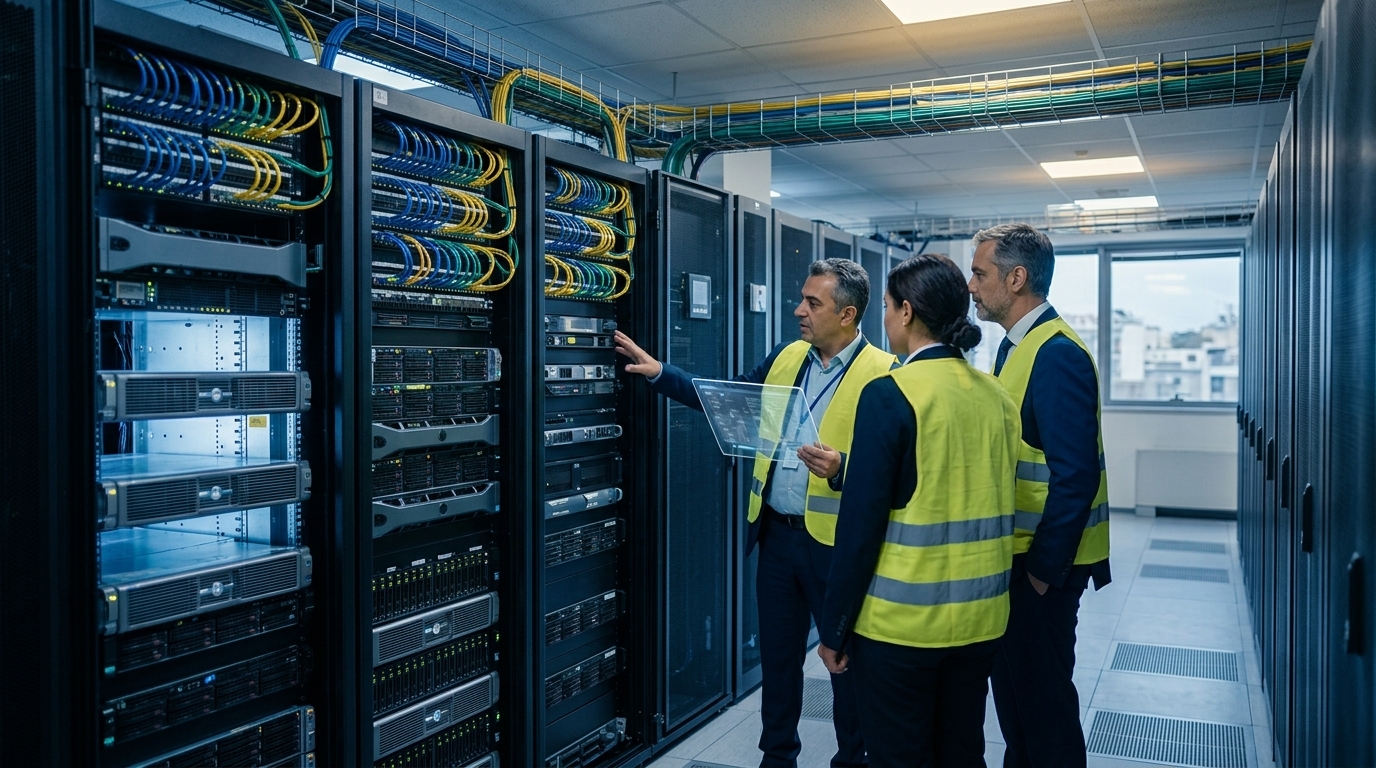
Furthermore, the concept of "AI Literacy" is introduced as a cross-curricular skill. Students will not just learn how to write prompts; they will be taught about algorithmic biases, model hallucinations, and the environmental impact of large data centers. The goal is to cultivate citizens who understand the infrastructure of their digital lives.
Challenges and Future Outlook
Despite the positive intentions, implementing these guidelines will not be without hurdles. Resistance from parents concerned about their children's intellectual laziness is real. Additionally, the cost of continuous training and infrastructure upgrades is immense. However, Illinois is sending a message to the entire nation: ignoring artificial intelligence is no longer an option. Integrating it with clear rules and standards is the only path toward a modern educational system that respects the needs of the 21st century.