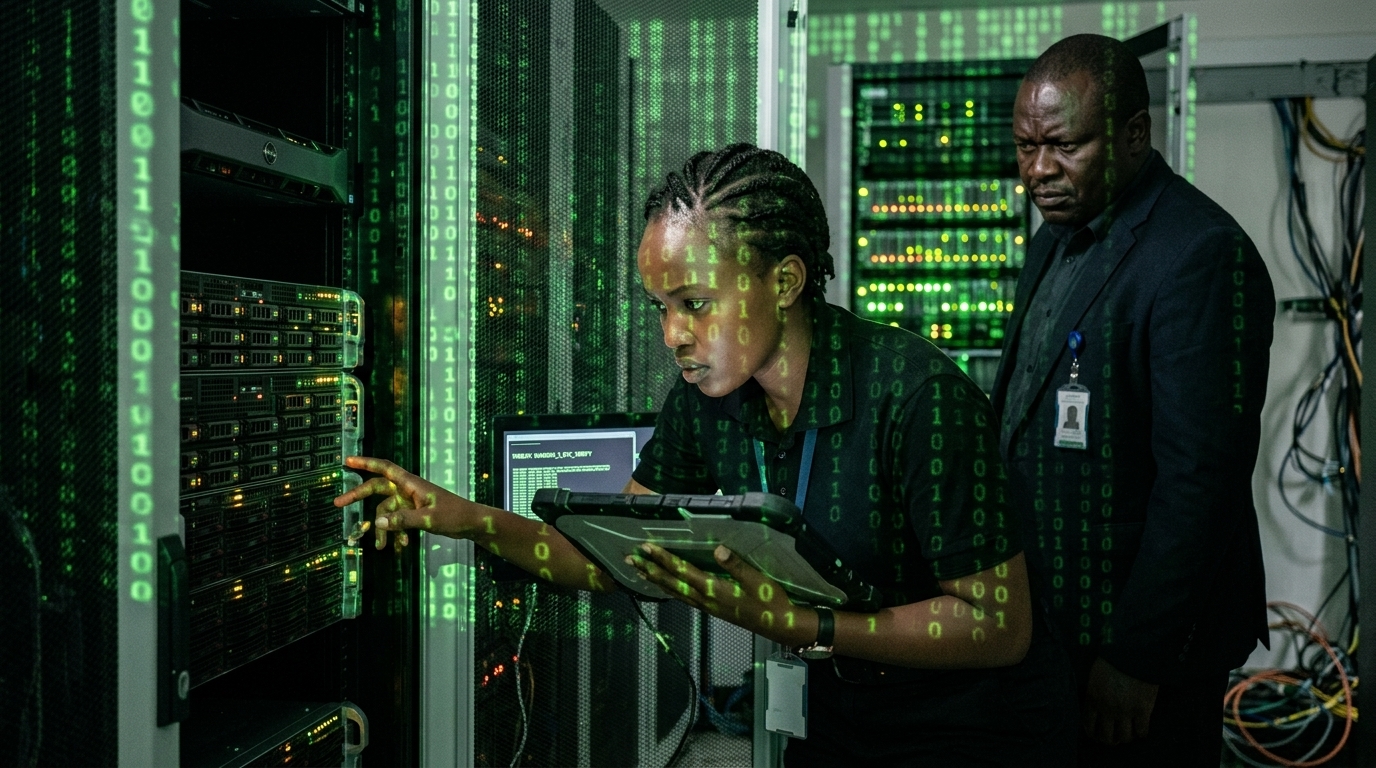
In the intricate world of cybercrime, where attacks are planned with mathematical precision and perpetrators hide behind multiple layers of encryption, the downfall often comes from the most unpredictable source: human negligence. The recent case of twin brothers allegedly involved in a series of sophisticated cyberattacks serves as a modern lesson in how technological superiority can be negated by a single moment of distraction. The two perpetrators, considered highly skilled in SIM swapping and data theft, were apprehended after forgetting to turn off a recording session on Microsoft Teams, leaving behind a full digital confession of their actions.
The Blunder That Made Cybersecurity History
The story of the twins begins with a series of high-profile account breaches, utilizing social engineering techniques to bypass two-factor authentication (2FA). However, the irony of the case lies in the fact that they used corporate collaboration tools to organize their illegal activities. During a Microsoft Teams call, where they discussed their next moves and bragged about their illicit gains, the automatic recording feature remained active. The video and audio were saved to the cloud, providing law enforcement with the ultimate piece of evidence.
This incident highlights a broader trend in digital forensics. Often, cybercriminals feel so secure within their own ecosystem that they neglect basic operational security (OpSec) rules. The recording contained not only their voices but also screen sharing that revealed their IP addresses, the tools they were using, and even their faces. For the FBI and collaborating international agencies, it was a 'gift' rarely encountered in such investigations. It proves that even the most tech-savvy individuals are susceptible to the mundanity of corporate software defaults.
OpenAI and the Supply Chain Threat
While the twins fell victim to their own carelessness, OpenAI, the giant behind ChatGPT, faced a much more serious and systemic threat. Reports indicate that company employees were targeted in a supply chain attack. In this instance, the attackers did not attempt to 'crack' OpenAI’s core encryption but instead targeted third-party software providers used by the company's staff in their daily work.
These types of attacks are particularly concerning for the AI industry. If a malicious actor gains access to internal communication systems or developer workstations, they could theoretically insert backdoors into the AI models themselves or steal intellectual property of immeasurable value. OpenAI confirmed that its models remained secure, but the incident underscores that even the most advanced tech companies in the world are vulnerable through their partners and service providers. The 'moat' around AI data is only as strong as the weakest link in the software supply chain.
The Collapse of Incognito Market and the Canvas Resolution
The week concluded with two more significant developments. First, the arrest of the alleged mastermind behind Incognito Market, one of the largest dark net marketplaces. Rui-Siang Lin, a 23-year-old allegedly managing transactions worth hundreds of millions of dollars in narcotics and illegal software, was arrested at JFK Airport in New York. The fall of Incognito Market is a major blow to the dark net economy, proving once again that the anonymity provided by Tor is not an absolute shield against persistent federal investigation.
Meanwhile, the saga of Instructure, the company behind the Canvas educational platform, appears to be drawing to a close following a ransomware ordeal. The company managed to regain control of its systems without fully succumbing to extortion demands, highlighting the vital importance of robust backups and rapid response protocols. The Canvas case serves as a wake-up call for educational institutions worldwide, emphasizing that their digital infrastructure is now a top-tier target for international ransomware syndicates.
Conclusion: Lessons for the Modern Enterprise
From the tragicomic blunder of the twins to the strategic supply chain attacks on OpenAI, the message is clear: cybersecurity is not just a matter of code, but of culture. Technology can provide the tools for protection or attack, but human judgment remains the deciding factor. As law enforcement becomes more adept at tracing digital footprints, criminals will be forced to become more cautious, but 'human error' will always be there to derail even the most sophisticated plans. For businesses, the lesson is that security must be holistic, covering not just the core product, but every tool, every partner, and every employee behavior.