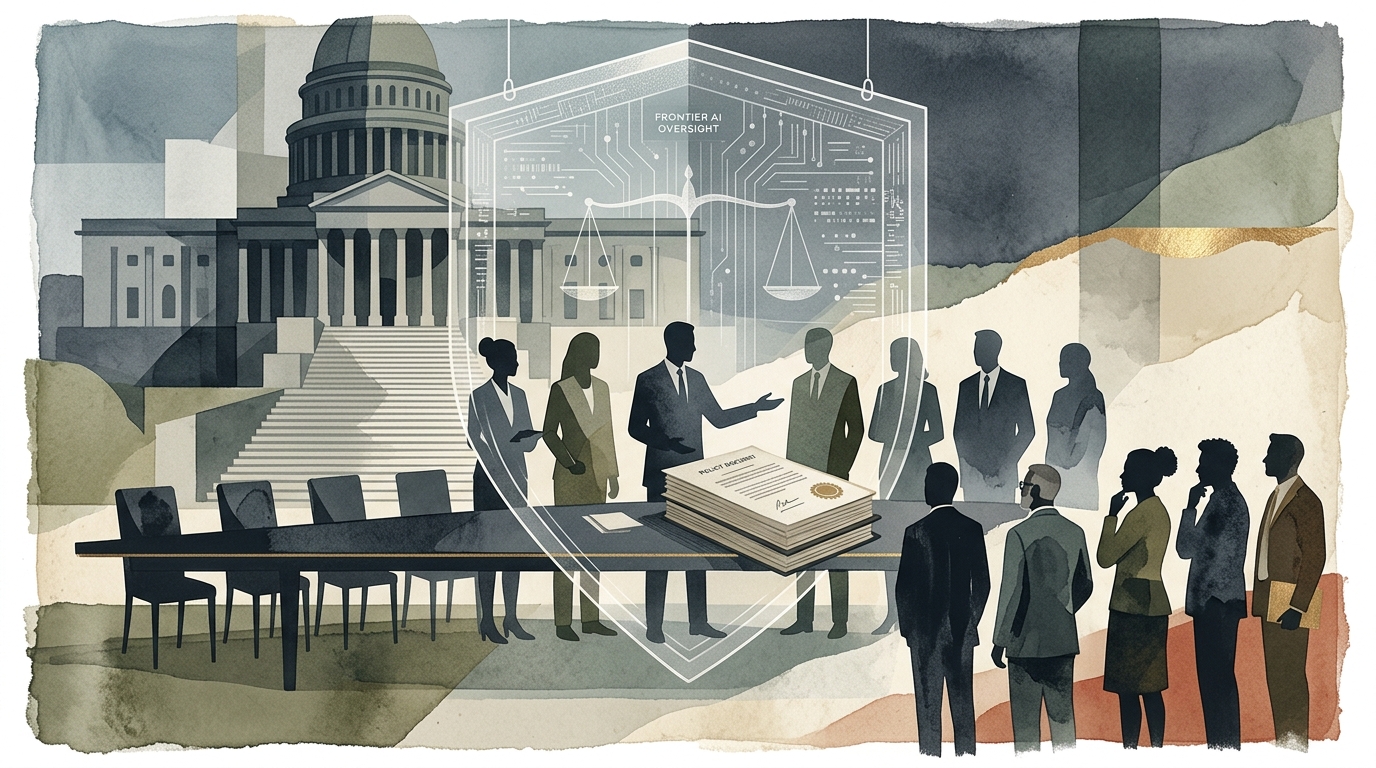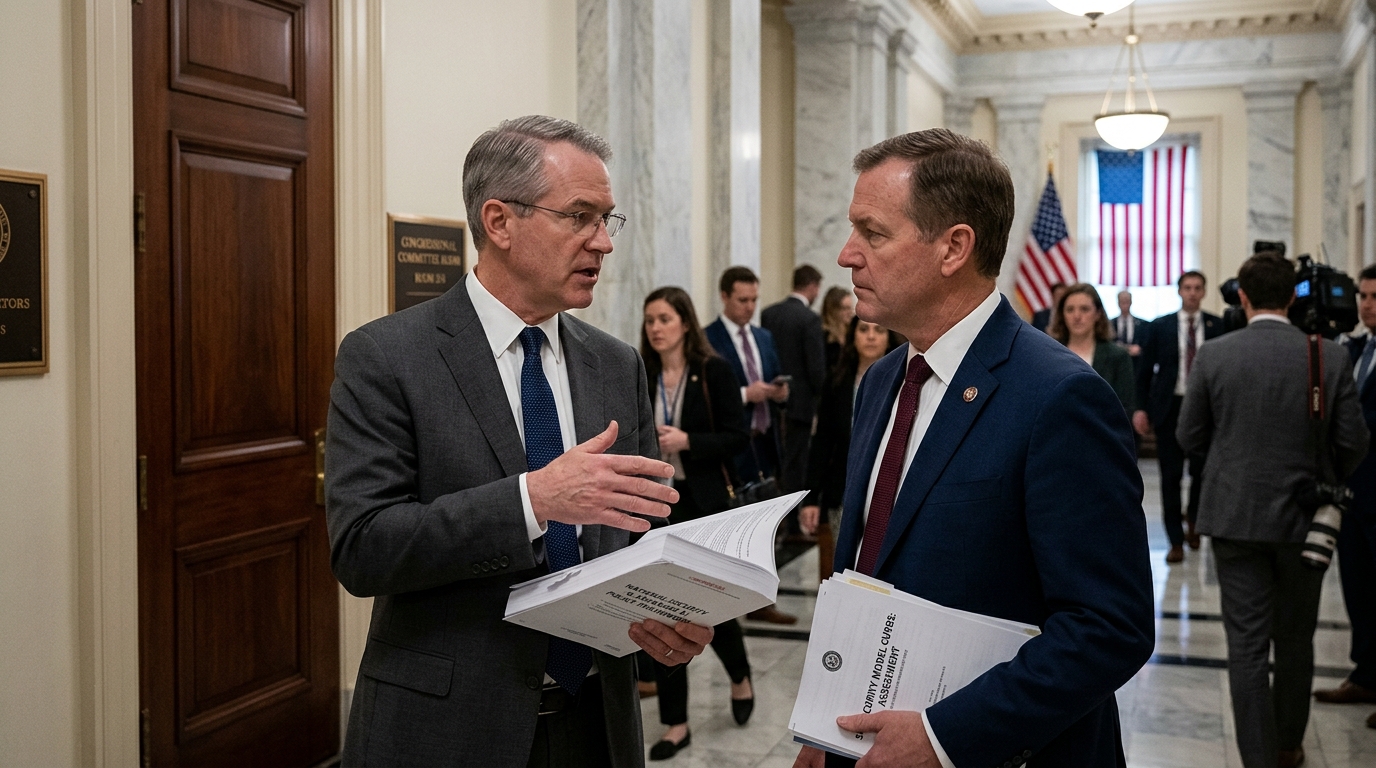
As we navigate the middle of 2026, the collision between regulatory oversight and technological acceleration is reaching a new flashpoint. An alliance of top cybersecurity executives, academics, and industry leaders has launched a concerted lobbying effort directed at the US Department of Commerce and the White House, demanding the lifting of stringent curbs on Anthropic’s advanced AI models specifically designed for systems security.
The controversy centers on specialized versions of the Claude model that have undergone extensive "red-teaming" and are capable of identifying code vulnerabilities with a speed and precision that far exceeds human capability. While the Biden-Harris administration initially imposed these restrictions to prevent hostile state actors from utilizing AI for offensive cyber operations, experts now argue that these very regulations are hollowing out the defensive posture of the United States and its allies.
The Security Paradox in the AI Era
The core argument from cyber leaders is that current policy creates a dangerous asymmetry. While American companies are bogged down by bureaucratic red tape and export controls, adversaries—including state-sponsored actors from China and Russia—are developing or accessing similar models through backchannels or sovereign development projects. Anthropic, which has branded itself as the "safety-first" AI company, finds itself in a strategic limbo: it possesses the tools to fortify critical infrastructure but is legally barred from deploying them at scale.
According to sources close to the discussions, Anthropic’s security-tuned models can analyze millions of lines of code in seconds, identifying zero-day exploits before they can be weaponized by malicious actors. "Restricting access to these tools is akin to banning bulletproof vests because of a fear that criminals might wear them too," remarked a CISO from a Fortune 500 tech firm during a recent industry summit.
Geopolitical Implications and 2026 Pressures
This pressure does not exist in a vacuum. 2026 has been defined by a series of sophisticated cyberattacks targeting energy grids and financial systems globally. The need for AI-driven automated defense has transitioned from a theoretical luxury to an urgent national security imperative. Critics of the restrictions argue that the Bureau of Industry and Security (BIS) is using outdated metrics to evaluate model risk, failing to account for the massive defensive utility these systems provide.
"We are fighting a 21st-century algorithmic war with 20th-century export control mindsets," noted one policy analyst.
- Automated Patching: Anthropic’s models don't just find bugs; they generate the code necessary to fix them instantly.
- Defensive Training: Using AI to simulate realistic attack vectors allows security systems to "evolve" in real-time.
- Strategic Advantage: Delays in deployment allow adversaries to close the technological gap by iterating on less-restricted open-source alternatives.
Anthropic’s Stance and the Future of Regulation
Anthropic itself maintains a careful diplomatic line, seeking to balance its commitment to AI safety with commercial and national interests. The company has proposed a "tiered access" framework, where its most potent security models would be available exclusively to vetted defense organizations and government partners. However, the US government remains hesitant, fearing that any leak of model weights or parameters could be a catastrophic blow to national security.
Ultimately, the outcry from cyber leaders highlights a fundamental truth of the digital age: security is no longer achieved through the obfuscation or restriction of knowledge, but through the velocity of response. If the US intends to remain at the vanguard of cyber defense, it must find a way to trust the very tools its private sector has pioneered, before its adversaries master them first.