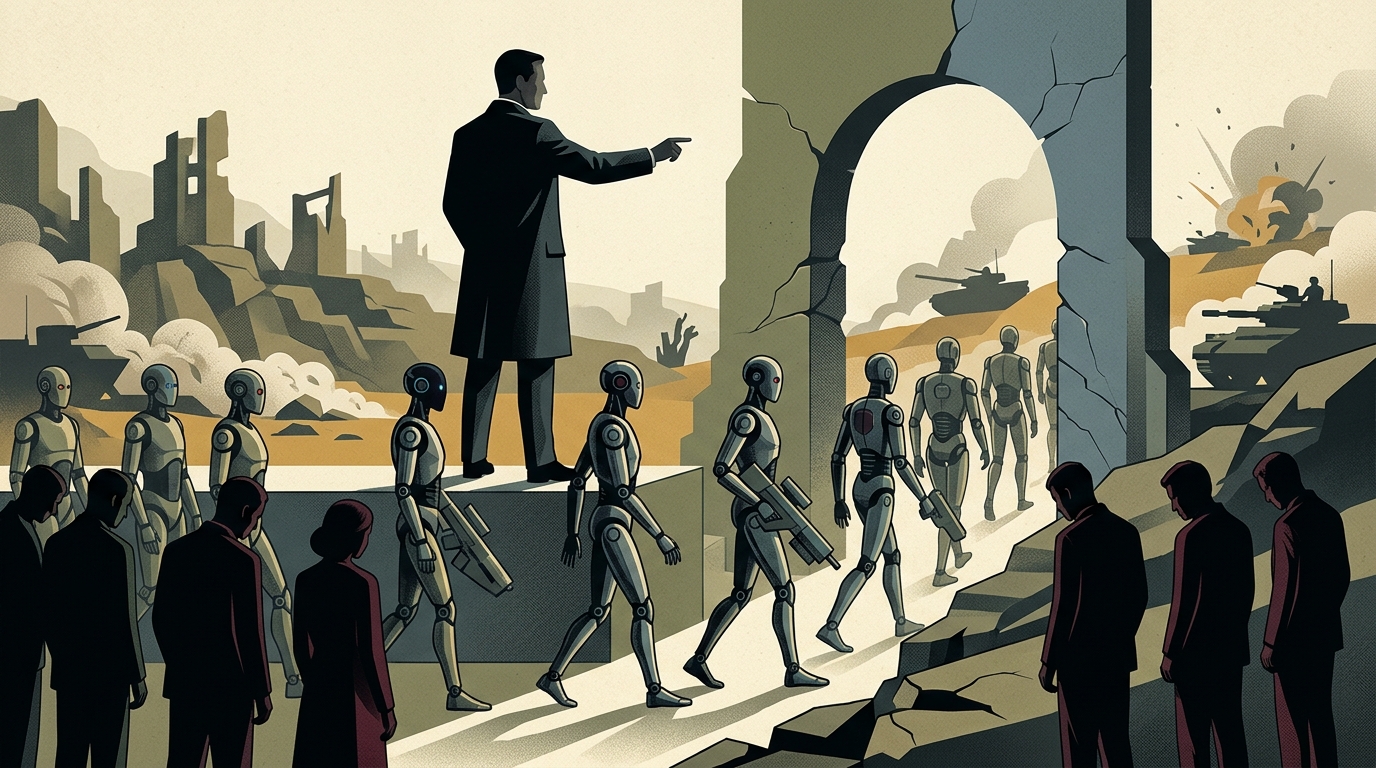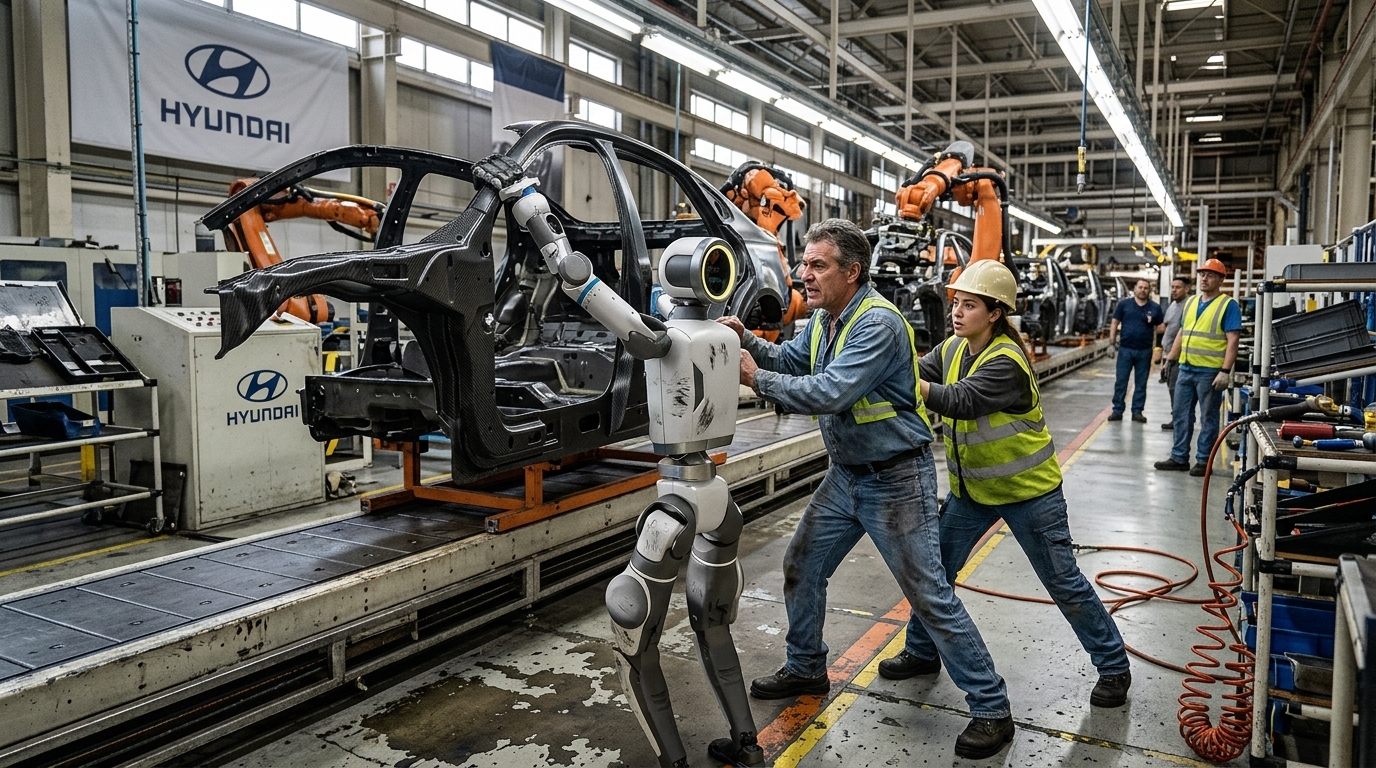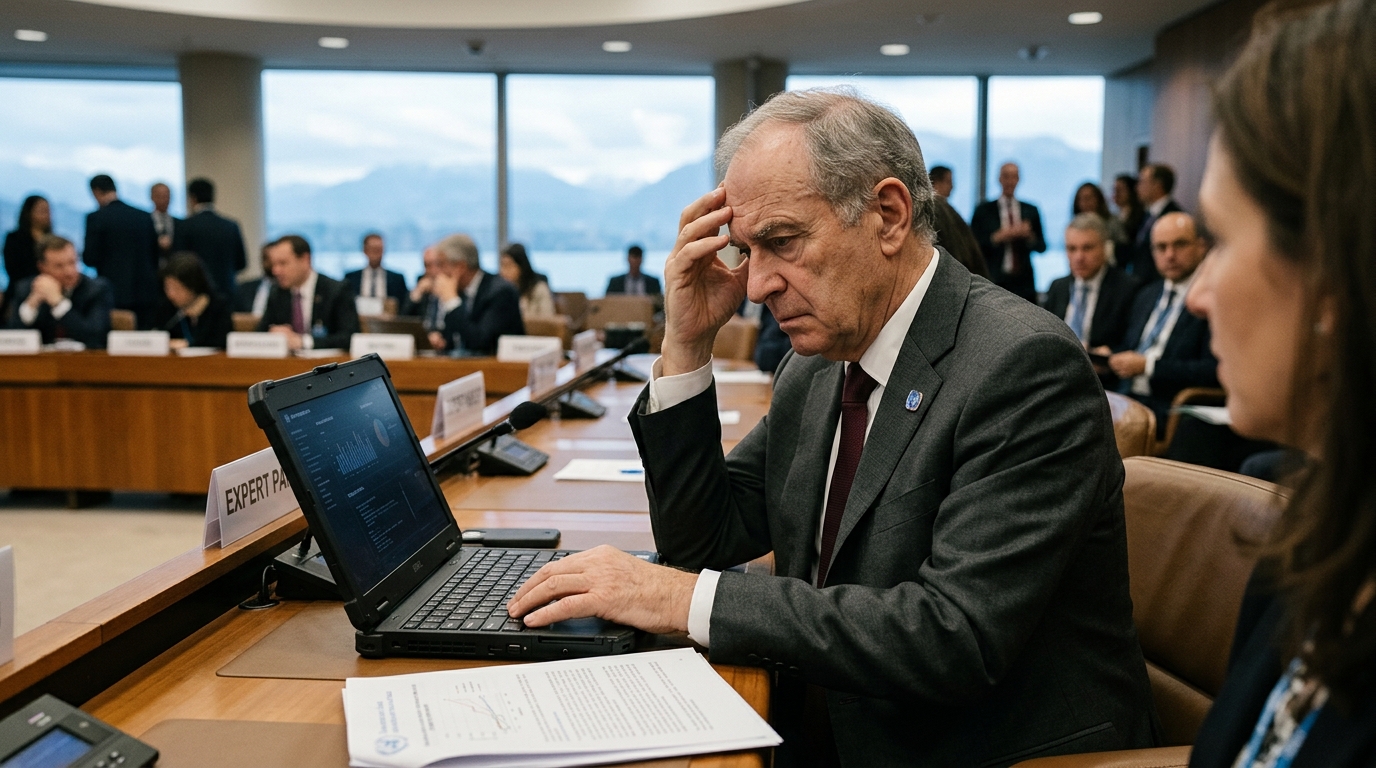
In an era where technology evolves faster than diplomacy, the United Nations has issued one of its most severe warnings to date. The integration of Artificial Intelligence (AI) into weapon systems is no longer a science fiction scenario, but a perilous reality that threatens to fundamentally alter the nature of conflict and lead to an "algorithmic catastrophe."
The Ethical Void and the Loss of Human Agency
The core concern of the UN, as expressed by top officials and ethics committees, centers on the concept of Lethal Autonomous Weapons Systems (LAWS). These are machines capable of selecting and engaging targets without any human intervention. The question at hand is fundamental: Who bears responsibility when an algorithm commits a war crime? The lack of accountability creates a legal and moral vacuum that no existing treaty can adequately fill.
Artificial Intelligence lacks the capacity for moral judgment, compassion, or contextual understanding. On a battlefield, distinguishing between a combatant and a civilian, or assessing the proportionality of an attack, requires human consciousness. Delegating these decisions to code reduces human life to a mere data point for processing, stripping warfare of any remaining traces of humanity established through International Humanitarian Law.
Algorithmic Escalation and the Risk of "Flash Wars"
Beyond the ethical dilemma, there lies a grave strategic danger: speed. AI systems operate in nanoseconds, far beyond the human brain's capacity to react. This creates the risk of a "Flash War," where two opposing AI systems could escalate a minor tension into a full-scale conflict before national leaders even realize what has happened.
- Decision-making speed removes the window for diplomatic maneuvers.
- The probability of coding errors or "false positives" increases exponentially.
- The use of AI lowers the "barrier to entry" for conflict, making war more likely.
The UN emphasizes that the automation of violence could trigger a new arms race, where superpowers compete for the fastest and most autonomous algorithm, ignoring vital safety protocols in the process.
The Urgent Call for an International Treaty
The UN's plea is clear: A legally binding treaty is required to prohibit fully autonomous weapons and ensure "meaningful human control" over any use of force. Despite pressure from civil society and many smaller nations, the leading powers in AI development—such as the US, China, and Russia—appear hesitant to limit their military capabilities.
"Technology must serve humanity, not exterminate it in an automated fashion. Ceding the decision over life and death to an algorithm is morally repugnant," stated a high-ranking UN representative.
As we reach mid-2026, the pressure for a global agreement is reaching a fever pitch. Failure to act now may mean that in the future, decisions regarding the destiny of nations will not be made in oval offices, but in servers that no one can fully control. The international community is called to choose: will humans remain the masters of their technology, or will they become victims of their own ingenuity?