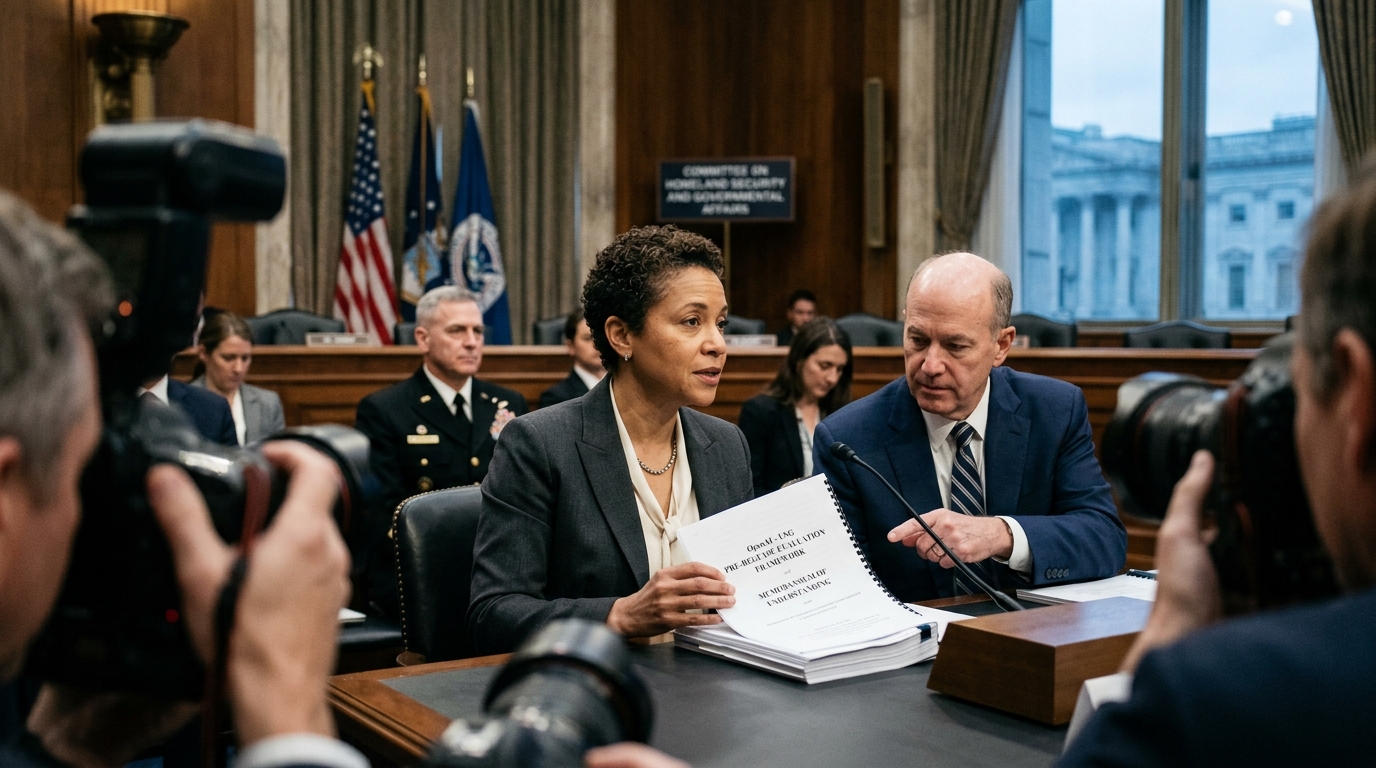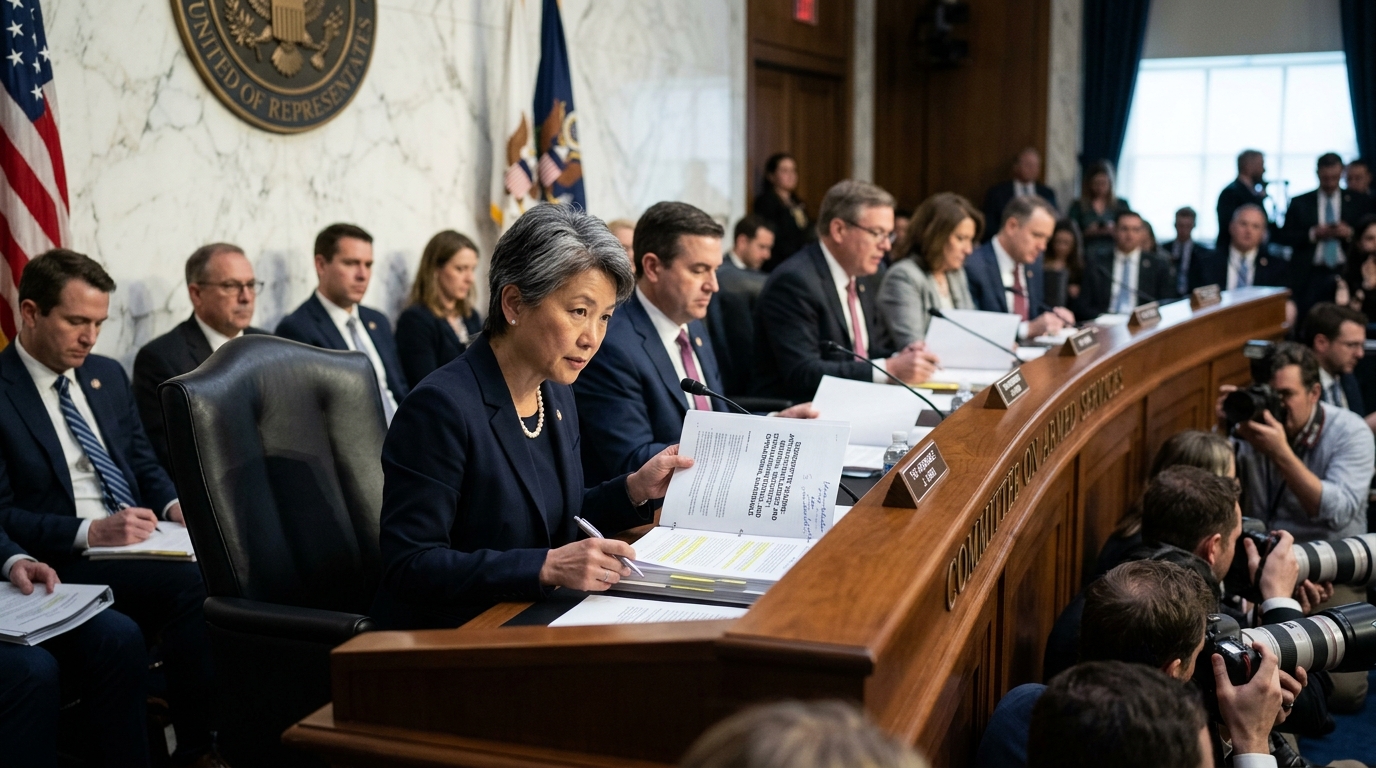
The era when Artificial Intelligence (AI) was merely a theoretical tool in the hands of military analysts has long passed. Today, AI is at the heart of the next Revolution in Military Affairs (RMA), influencing everything from logistics chains to targeting systems on the battlefield. However, in Washington, a diverse coalition of lawmakers is beginning to express serious concerns about the speed at which the Pentagon is adopting these technologies without a clear ethical and legal framework.
According to recent reports from NOTUS and other Capitol Hill sources, American lawmakers are drafting provisions that would set the first real "red lines" for the Department of Defense’s use of AI. At stake is not just the effectiveness of weapons, but the very essence of human responsibility in warfare.
The Nuclear Taboo and the 'Human in the Loop'
The most critical of the proposed regulations concerns the control of nuclear weapons. There is a growing consensus among Democrats and some Republicans that the decision to use nuclear weapons must remain exclusively human. Despite the fact that the Pentagon already has internal guidelines requiring human intervention, lawmakers are seeking to codify this requirement into federal law.
The concern stems from the possibility that AI could be used to accelerate decision-making processes during times of crisis. If an algorithm detects a perceived threat and suggests an immediate counterattack, the time available for a leader to deliberate is drastically reduced. The legislative initiative aims to ensure that no algorithm can ever "press the button" autonomously, regardless of how quickly a conflict unfolds.
Lethal Autonomous Weapon Systems and the Moral Vacuum
Beyond nuclear concerns, the debate extends to so-called Lethal Autonomous Weapon Systems (LAWS). These are drones or robotic systems capable of selecting and engaging targets without direct human command. While the Pentagon argues that such systems can reduce collateral damage through greater precision, critics fear an "algorithmic creep" where the responsibility for life and death is offloaded to code.
Proposed amendments to the National Defense Authorization Act (NDAA) call for stricter oversight and transparency in how these algorithms are trained. There is a fear that if an AI makes a mistake on the battlefield and commits a war crime, there will be no one legally responsible. Congress is now demanding clear protocols for accountability, ensuring that commanders remain responsible for the actions of their machines.
Competition with China and the Innovation Dilemma
One of the biggest challenges for lawmakers is balancing safety with competitiveness. China is investing billions in military AI, aiming to surpass the US by 2030. Many within the Pentagon and the defense industry warn that excessive restrictions could "tie the hands" of the US, leaving it vulnerable to adversaries who are not bound by similar ethical constraints.
However, the new trend in Congress argues that responsible AI use is actually a strategic advantage. An AI system that is reliable, transparent, and predictable is more effective in the long run than one that risks accidental escalation. Establishing international standards begins with domestic legislation, and the US hopes to lead by example.
Procurement Transparency and the Silicon Valley Nexus
Finally, lawmakers are examining the economic and operational aspects of AI procurement. The Pentagon increasingly relies on commercial tech companies to develop these systems. This raises questions about data ownership, code security, and whether Silicon Valley companies understand the unique requirements of the military environment.
New provisions are expected to require contractors to provide more information regarding the datasets used to train AI, in order to prevent biases or security vulnerabilities that could be exploited by foreign intelligence services. The era of "blank checks" for opaque tech programs seems to be coming to an end as Congress asserts its role as a check on Pentagon power in the digital age.