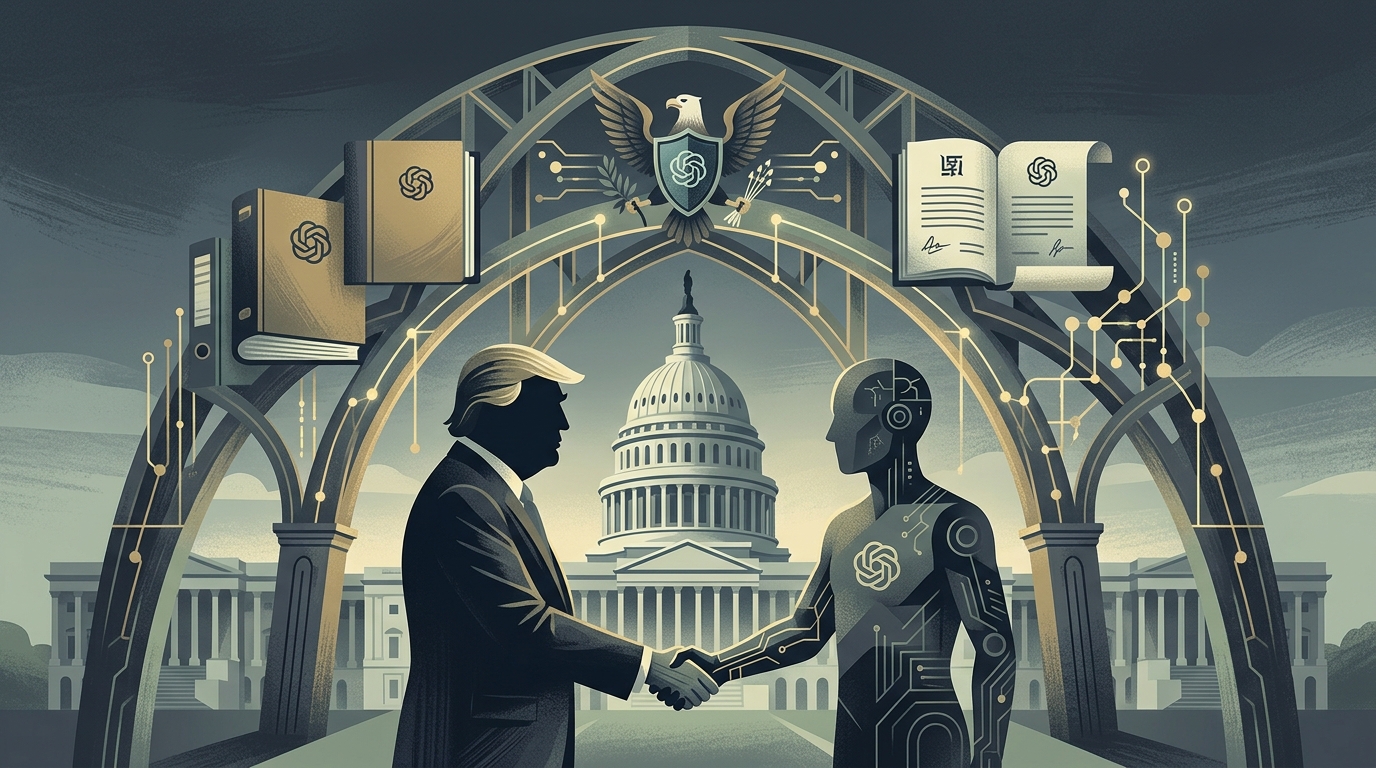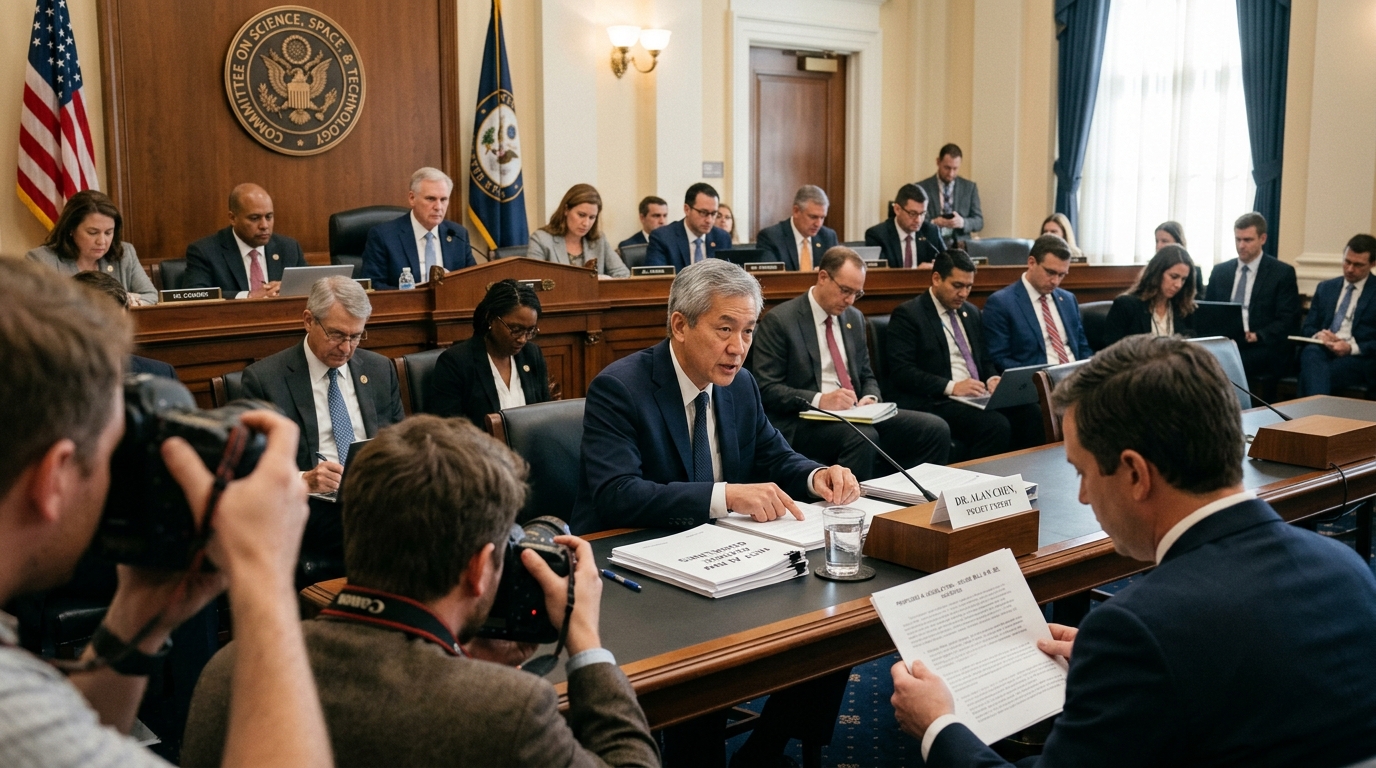
In a rare display of bipartisan cooperation, the United States House of Representatives is advancing legislation that is poised to fundamentally reshape how the federal government interacts with Artificial Intelligence (AI). The bill, titled the "Federal AI Governance and Transparency Act," aims to codify the National Institute of Standards and Technology’s (NIST) AI Risk Management Framework (RMF), making it a mandatory requirement for every federal agency developing or deploying algorithmic systems.
From Voluntary Guidelines to Mandatory Compliance
Until now, the NIST framework has served as a "gold standard" for the private sector, but its implementation within the federal apparatus remained largely voluntary or dependent on executive orders that could be easily rescinded by future administrations. This new legislative push seeks to provide institutional permanence to these guidelines. Under the bill's provisions, federal agencies will be legally required to align their practices with the principles of transparency, safety, and accountability defined by NIST.
This move extends far beyond internal government operations. Given the sheer scale of federal procurement, mandating NIST standards will effectively force any tech company wishing to do business with the government to comply with rigorous audit and risk assessment protocols. It is an indirect but powerful form of market regulation that could establish a new global benchmark for "responsible AI."
Bipartisanship as a Guarantee of Stability
Notably, the bill enjoys support from both sides of the aisle, with lead sponsors including Representatives James Comer and Jamie Raskin. In a deeply polarized political climate, AI appears to be the common ground where national security concerns meet the protection of civil liberties. Proponents argue that without clear rules, the state's use of AI risks undermining public trust, particularly in sensitive areas like law enforcement and social welfare.
"The federal government must lead by example. If we expect the private sector to deploy AI responsibly, we must first demonstrate that our own agencies can do the same under the highest standards of scrutiny,"
The bill outlines several key pillars for federal AI use:
- Transparency: Agencies must publish regular reports detailing their AI usage and the safeguards in place.
- Risk Management: Every system will be evaluated based on its potential for harm, bias, or privacy violations.
- Centralized Oversight: The Office of Management and Budget (OMB) will oversee the implementation, ensuring a unified approach across the executive branch.
Challenges and Industry Reactions
Despite the general consensus, concerns remain regarding whether federal agencies possess the resources and technical expertise to meet these new requirements. Implementing the NIST framework requires specialized personnel and continuous monitoring, which could prove burdensome for smaller agencies. Furthermore, some analysts point out that the NIST AI RMF is intentionally flexible and high-level, which may lead to inconsistent interpretations during deployment.
From Silicon Valley, the reaction has been cautiously optimistic. Major tech firms generally prefer a single federal standard over a patchwork of conflicting state laws. However, there is an underlying fear that the bureaucracy accompanying government contracts could stifle innovation, potentially handing an advantage to global competitors like China, which operates under a more centralized and less transparent developmental model.
Conclusion: Towards a New Algorithmic Ethics
This move by the House signals the end of the "Wild West" era for AI in the public sector. If enacted, it will represent the most significant step toward fortifying democratic institutions against the challenges of automated decision-making. The stakes are not merely about governmental efficiency, but about ensuring that technology remains a servant to humanity, governed by the principles of transparency, fairness, and the rule of law.