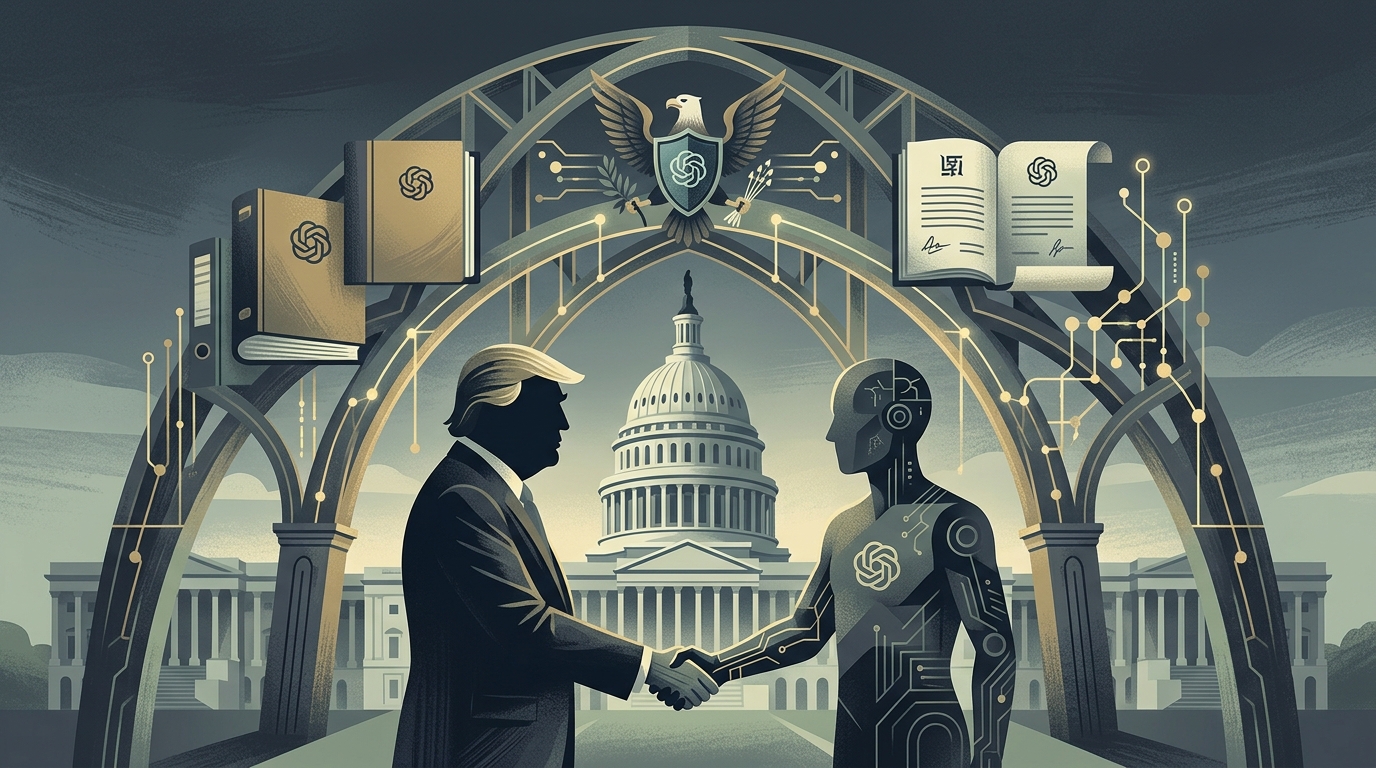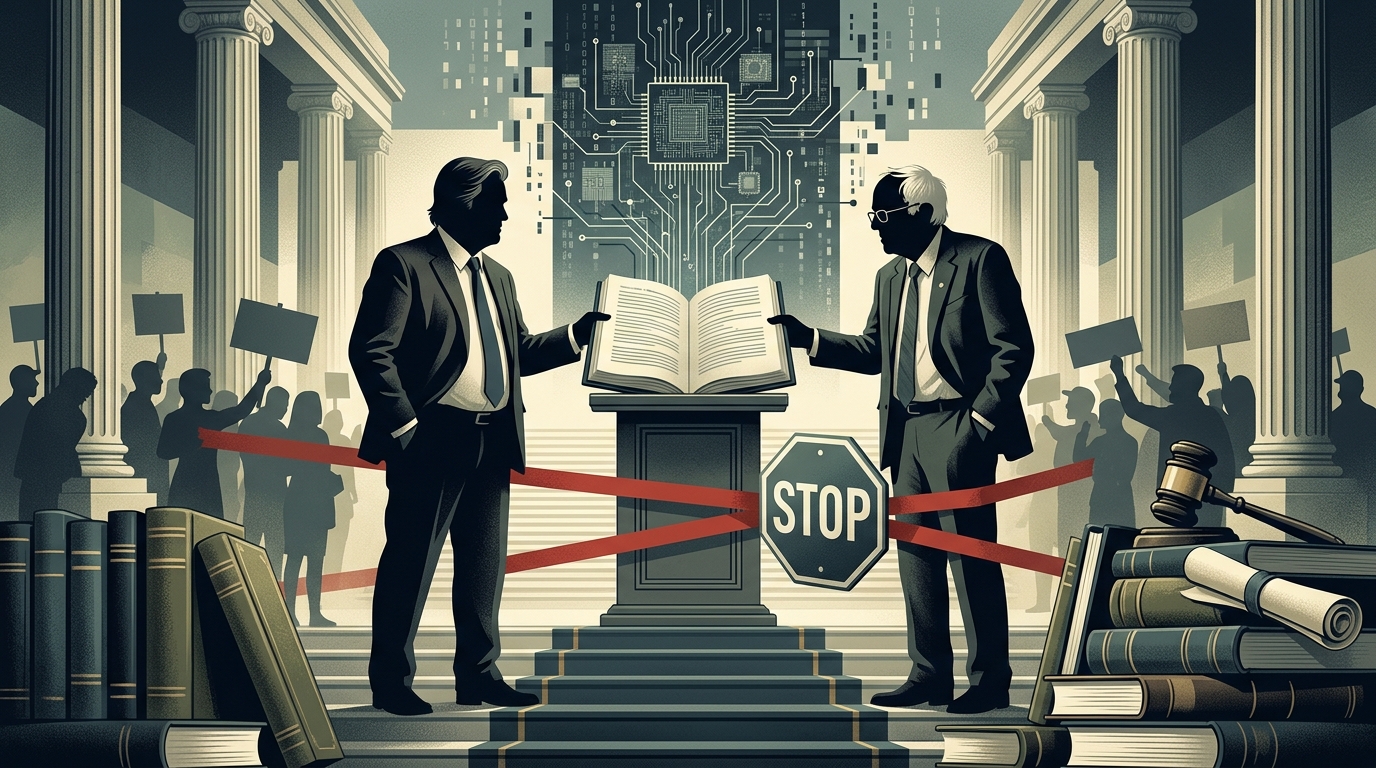
In the polarized political landscape of 2026, it is rare to find issues that bridge the chasm between the populist right and the progressive left. However, Artificial Intelligence (AI) appears to be achieving the impossible: bringing figures as disparate as Steve Bannon, the architect of national-populism, and Bernie Sanders, the torchbearer of American democratic socialism, into a shared sphere of skepticism. This "horseshoe theory" of tech politics reveals a profound and growing anxiety regarding the future of human labor, national sovereignty, and social cohesion.
Steve Bannon and the Fear of "Technocratic Tyranny"
For Steve Bannon, Artificial Intelligence is not merely a tool for productivity; it is the ultimate weapon of the globalist elite. At the heart of his critique lies the concept of "sovereignty." Bannon argues that AI threatens to strip autonomy from both the individual and the nation-state, handing the keys of decision-making to opaque algorithms controlled by a handful of tech behemoths in Silicon Valley.
Bannon’s rhetoric often focuses on the "deconstruction of the administrative state," and he views AI as the digital reincarnation of that very state—only more pervasive and less accountable. He fears a post-human era where tradition, cultural values, and human intuition are discarded in favor of cold, computational efficiency. For the populist right, AI is the "beast" that will enforce a global uniformity, stifling national identity and replacing traditional spiritual foundations with silicon-based logic.
Bernie Sanders and the Class Struggle of Algorithms
On the opposite side of the political spectrum, Bernie Sanders approaches AI through the lens of economic justice and labor rights. For Sanders, the primary concern is not the technology itself, but the ownership of the means of production and the distribution of its benefits. His focus is on the staggering transfer of wealth from the working class to the shareholders of technology corporations.
Sanders warns that if AI allows a corporation to produce the same output with half the workforce, the fruits of that increased productivity must not flow exclusively into the pockets of billionaires. He advocates for taxing automated systems, implementing a shorter work week without loss of pay, and strengthening unions to ensure workers have a seat at the table during technological transitions. For the progressive left, AI risks becoming the ultimate instrument of exploitation, potentially creating a permanent "useless class" living in precarity while machines generate wealth for an insulated elite.
The Common Front: Against "Techno-Feudalism"
Despite their vastly different ideological origins, Bannon and Sanders converge on a central premise: the current trajectory of AI development is leading toward a new form of "Techno-Feudalism." Both view Silicon Valley as a new aristocracy that operates above the law and beyond democratic reach. Their shared critique targets the concentration of power, the lack of transparency, and the moral hollowing of society.
- The Alienation of Labor: Both are concerned that AI degrades the dignity of human work, reducing people to mere "data providers" for the machines that will eventually replace them.
- The Crisis of Truth: The ease of creating deepfakes and the algorithmic manipulation of public discourse are seen as existential threats to both democratic participation (Sanders) and national cohesion (Bannon).
- Unchecked Corporate Power: The belief that Big Tech companies have become more powerful than sovereign governments is the common ground that could lead to unprecedented bipartisan regulatory pressure.
As we move further into 2026, this unexpected convergence may serve as the catalyst for a new generation of regulatory frameworks. If the right and the left unite in demanding "human-centric technology," AI companies will face political pressure unlike anything they have experienced. The question remains: can political will tame technological necessity before the latter irreversibly reshapes the human experience? The alliance between the red hat and the blue collar may be the only force capable of setting the terms for our digital future.