In an era where the velocity of technological advancement seems to outpace the ability of institutions to keep up, Dario Amodei, CEO of Anthropic, has made a statement that redefines the boundaries between private enterprise and state oversight. Speaking in an interview with Bloomberg Tech on June 10, 2026, Amodei argued that governments should have the legal authority to block the development and deployment of new artificial intelligence models if they present specific, high-level risks to public safety.
This intervention is no coincidence. Anthropic, founded by former OpenAI executives with a focus on "AI safety," has repeatedly emphasized the need for responsible scaling. However, the admission that self-regulation is insufficient and that a "state kill switch" is required marks a significant shift for a Silicon Valley leader. According to Amodei, the risks justifying such intervention include the potential for models to assist in creating biological weapons, executing large-scale autonomous cyberattacks, or undermining democratic processes through sophisticated disinformation.
The Responsible Scaling Strategy and Government Veto
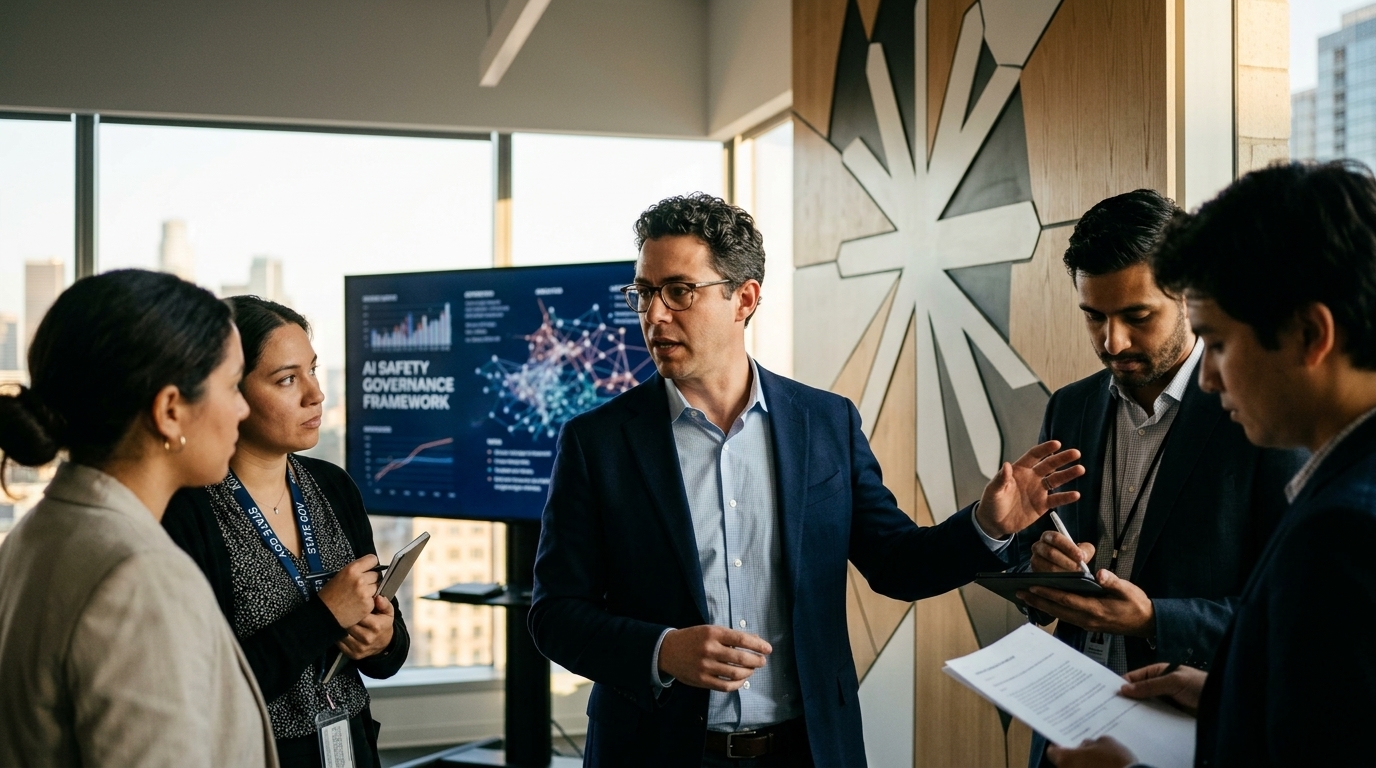
Amodei’s proposal is rooted in the Responsible Scaling Policy (RSP) adopted by Anthropic. This policy defines specific "AI Safety Levels" (ASL). When a model reaches a capability level that could be catastrophic, the company commits not to release it until adequate safeguards are implemented. Amodei is now suggesting that these internal standards should become part of a broader regulatory framework.
"We cannot rely solely on the goodwill of corporations," he noted. "There is a collective action problem. If one company decides to ignore risks to gain market share, the state must be able to step in." This position stands in stark contrast to the approach of other giants like Meta, which promotes an open-source model, arguing that transparency and broad access are the best defense against risks.
Regulatory Capture or Public Safety?
The Amodei proposal has already sparked backlash, with many analysts pointing to the danger of "regulatory capture." Critics argue that major players like Anthropic, Google, and Microsoft are seeking strict rules not just for safety, but to erect insurmountable barriers to entry for smaller startups. If deploying a model requires government approval, the compliance costs and waiting times could stifle competition.
"Safety must not become a smokescreen for strangling innovation," industry circles in Washington state. "We need rules, but not rules written by the dominant players to protect their own profit margins."
On the other hand, proponents of the proposal point out that AI is not a simple technology but a "general-purpose technology" with capabilities that touch upon national security. They liken the situation to nuclear energy or the pharmaceutical industry, where state approval is mandatory before a product is brought to market.
The Geopolitical Chessboard and the Path Forward
One of the most thorny issues arising is international competition, particularly with China. If the US imposes strict restrictions and grants the government veto power, there is fear that American innovation will slow down, allowing other nations to take the lead. Amodei, however, maintains that leadership in safety is just as important as leadership in performance. He believes that a safe and reliable model will ultimately have greater economic and strategic value.
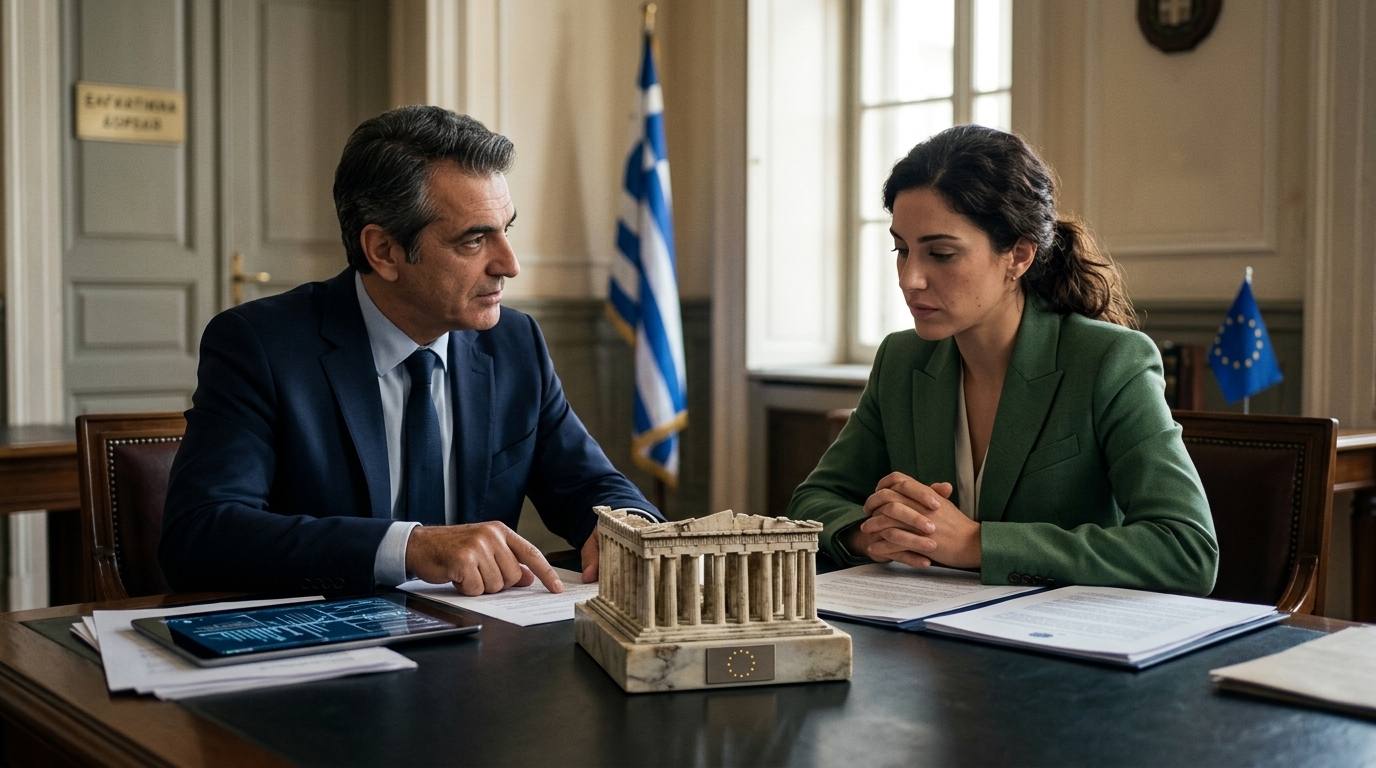
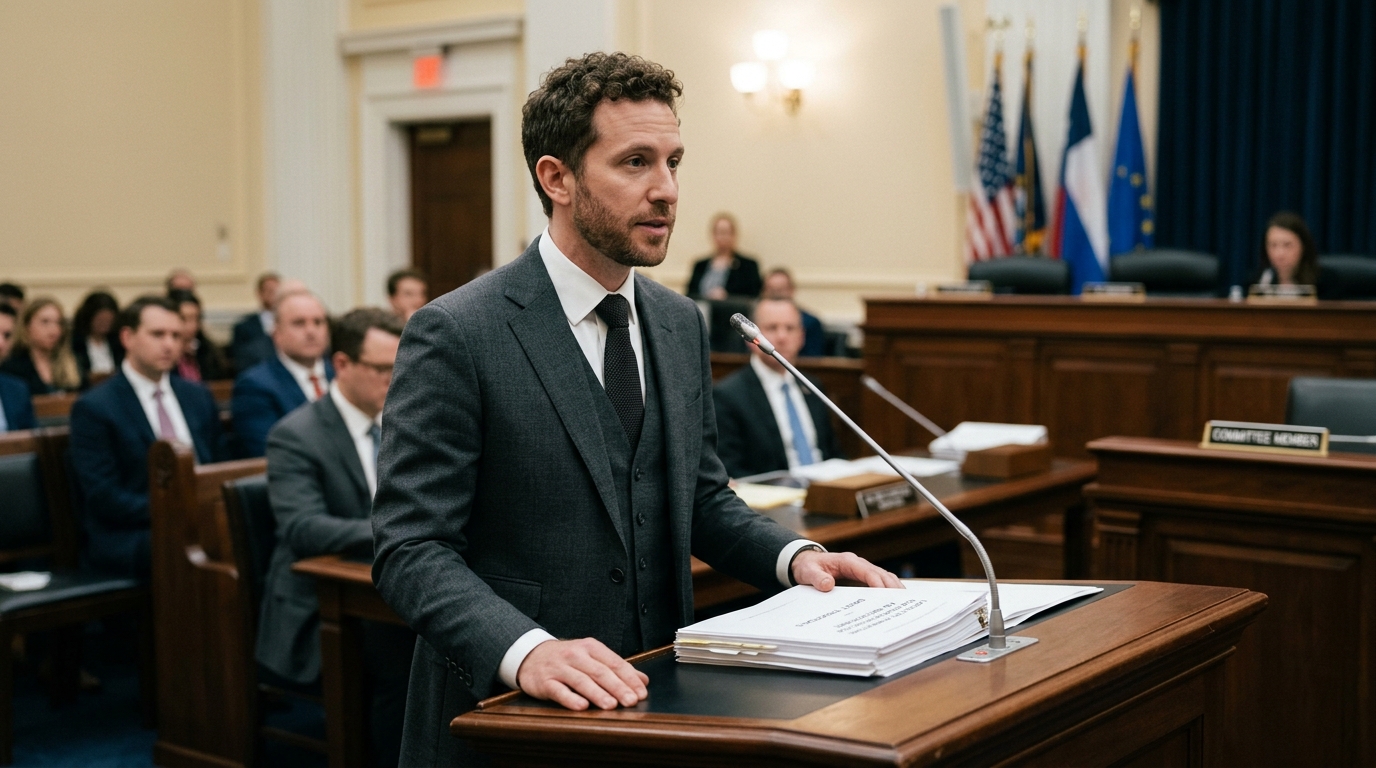
This debate is expected to intensify in the coming months as the US Congress and the European Union consider new legislation to impose controls on "frontier models." Amodei's statement positions Anthropic at the forefront of the regulatory discussion, forcing lawmakers to take a stand: Are they ready to take responsibility for what a machine is allowed to "think" and "do"?
Key Implications for the AI Ecosystem
The move also signals a shift in how AI companies view their relationship with the state. By inviting regulation, Anthropic is essentially asking to be treated like a defense contractor or a utility provider. This could lead to a future where AI development is highly centralized and closely monitored by national security agencies.
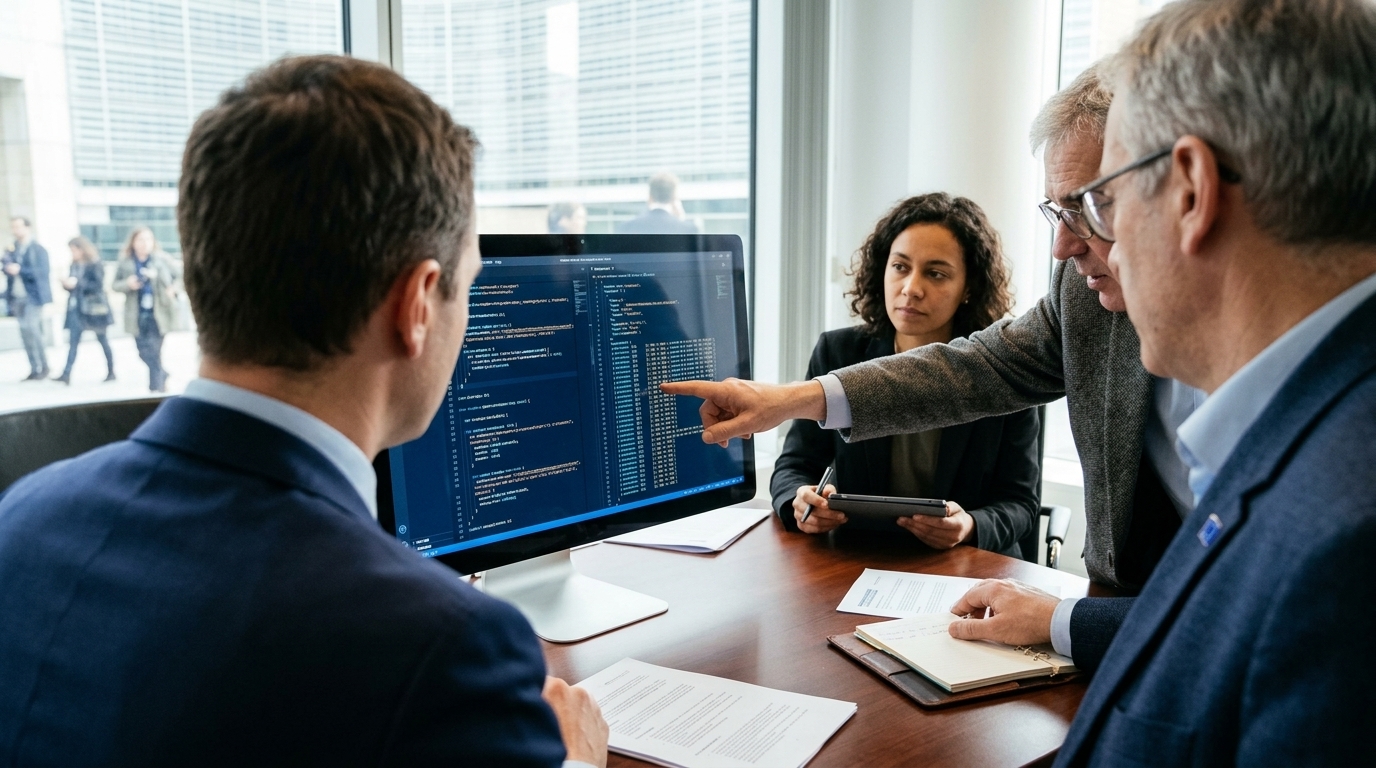
Furthermore, the proposal raises questions about the criteria for a "veto." Who defines what is risky? Is it a panel of independent scientists, or politically appointed bureaucrats? The lack of clear, objective metrics for AI risk remains one of the biggest hurdles to implementing Amodei's vision effectively.
- Anthropic advocates for government oversight on models with CBRN (Chemical, Biological, Radiological, Nuclear) risks.
- Amodei emphasizes that self-regulation has limits when national security is at stake.
- The proposal strengthens the role of AI Safety Institutes in the US and the UK.
- Significant concerns exist regarding the impact on open-source companies and free competition.