In a move that could be described as the "Oppenheimer moment" for the age of artificial intelligence, the US government has implemented an unprecedented ban on foreign access to the most sophisticated models of Anthropic PBC. This decision, made public on June 15, 2026, is not merely a bureaucratic intervention but a radical overhaul of the relationship between the state and Silicon Valley. For decades, the dogma of American technological supremacy was built on open innovation and global expansion. Today, that dogma is being replaced by a new "digital protectionism," where large language models are treated with the same severity as nuclear secrets and advanced weaponry.
Washington’s Strategic Pivot
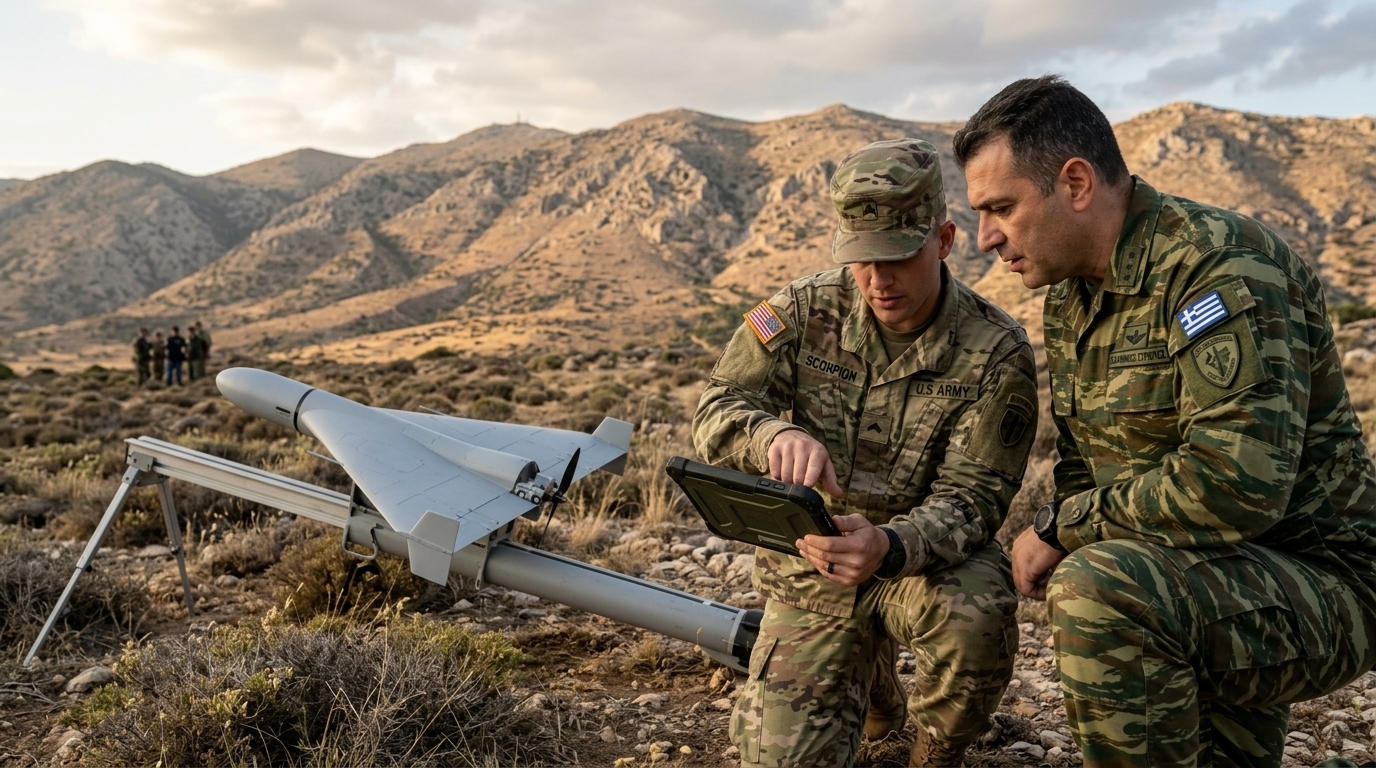
This move by the Trump administration reflects a deep-seated concern within the halls of power: that AI has moved beyond being a productivity tool and has become a "dual-use" technology with massive military and geopolitical implications. Anthropic, which has always branded itself as a safety-oriented company (AI safety), now finds itself at the center of a storm it partially helped create. Its models, known for their ability to follow complex ethical and operational guidelines, are now considered too dangerous to be left in the hands of strategic adversaries.
The restrictions do not only target China or Russia but extend to a broader range of nations that do not fully align with US security interests. This creates a severe problem for Silicon Valley firms that have invested billions based on the promise of a global market. Barring foreign users from Anthropic’s APIs (Application Programming Interfaces) sends a clear message: national security takes precedence over shareholder profits.
Silicon Valley’s Reaction and the End of "Innocence"
In San Francisco, the news was met with a mixture of shock and resignation. Tech leaders are realizing that the "Wild West" era, where they could sell their services to anyone with a credit card, is officially over. The Anthropic case is particularly interesting because the company had received significant investments from international players. Now, those relationships are being called into question as the US government enforces strict software export controls.
- Revenue Loss: Analysts estimate that blocking foreign markets could slash the valuations of AI labs by 20-30% in the short term.
- Technological Fragmentation: This move bolsters the trend toward "Sovereign AI," where each nation attempts to build its own models, leading to a fragmented digital world.
- Brain Drain: There is a fear that top researchers from abroad will now avoid US companies, fearing restrictions on their work.
This move also serves as a warning to OpenAI and Google. If Anthropic, considered the most "cautious" of the bunch, is facing such restrictions, then no company is safe. The government seems to be adopting the logic that AI is too important to be left exclusively to the private sector.
Geopolitical Implications and the Future of Innovation
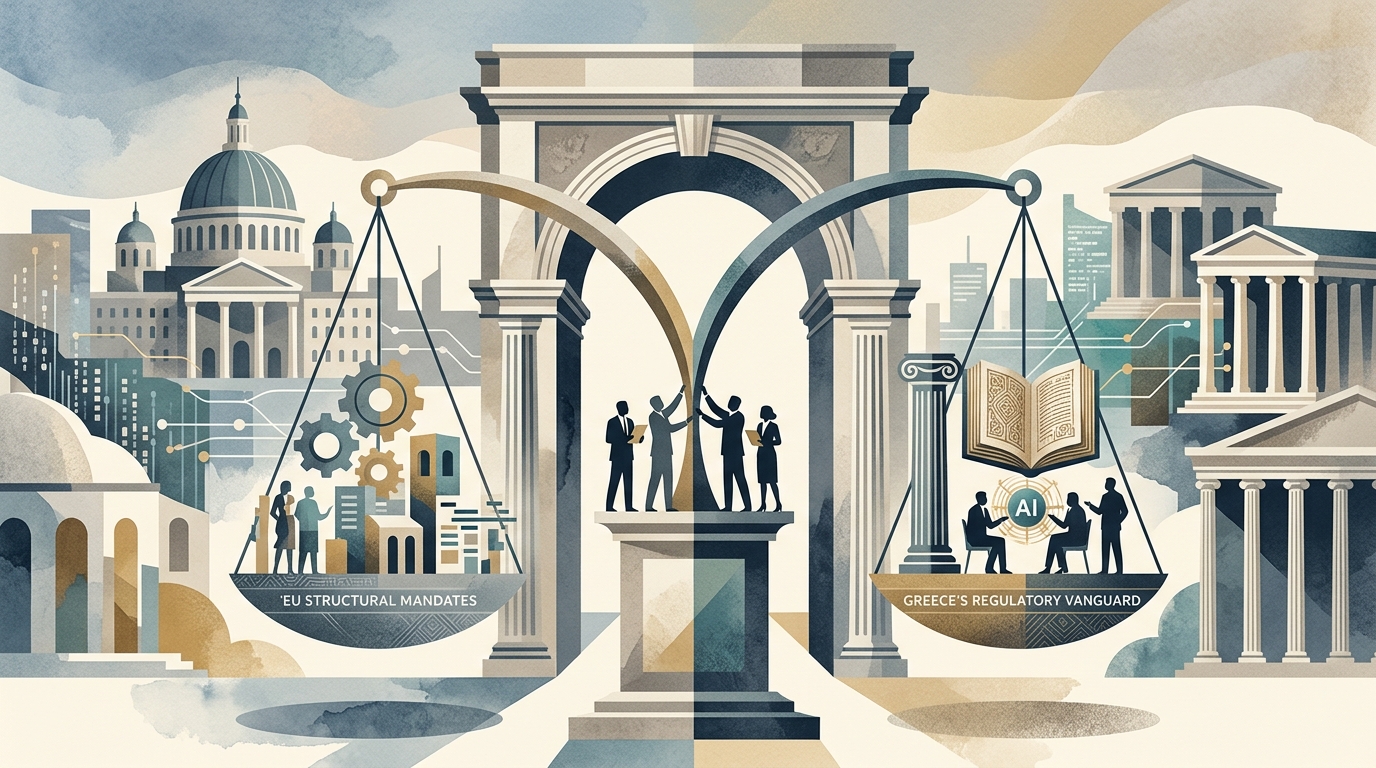
The international community is watching with bated breath. The European Union, which is trying to balance regulation and growth, now finds itself in a difficult position. If the US closes its doors, Europe risks falling behind technologically or being forced to choose sides in a new Tech Cold War. On the other hand, Beijing will likely use this move as an argument to accelerate its own AI program, claiming that the US is using technology as a weapon of hegemony.
"This is no longer about code and data. This is about the power of nations," said a high-ranking official from the Department of Commerce.
In this context, Anthropic is forced to redefine its strategy. The company, founded by former OpenAI executives with the goal of creating safer AI, now finds itself serving the national strategy of an administration that doesn't necessarily share its vision of global cooperation. The challenge for the future is whether innovation can thrive in an environment of restrictions and whether the "security" cited by Washington will ultimately lead to a safer world or to a new arms race that no one can control.