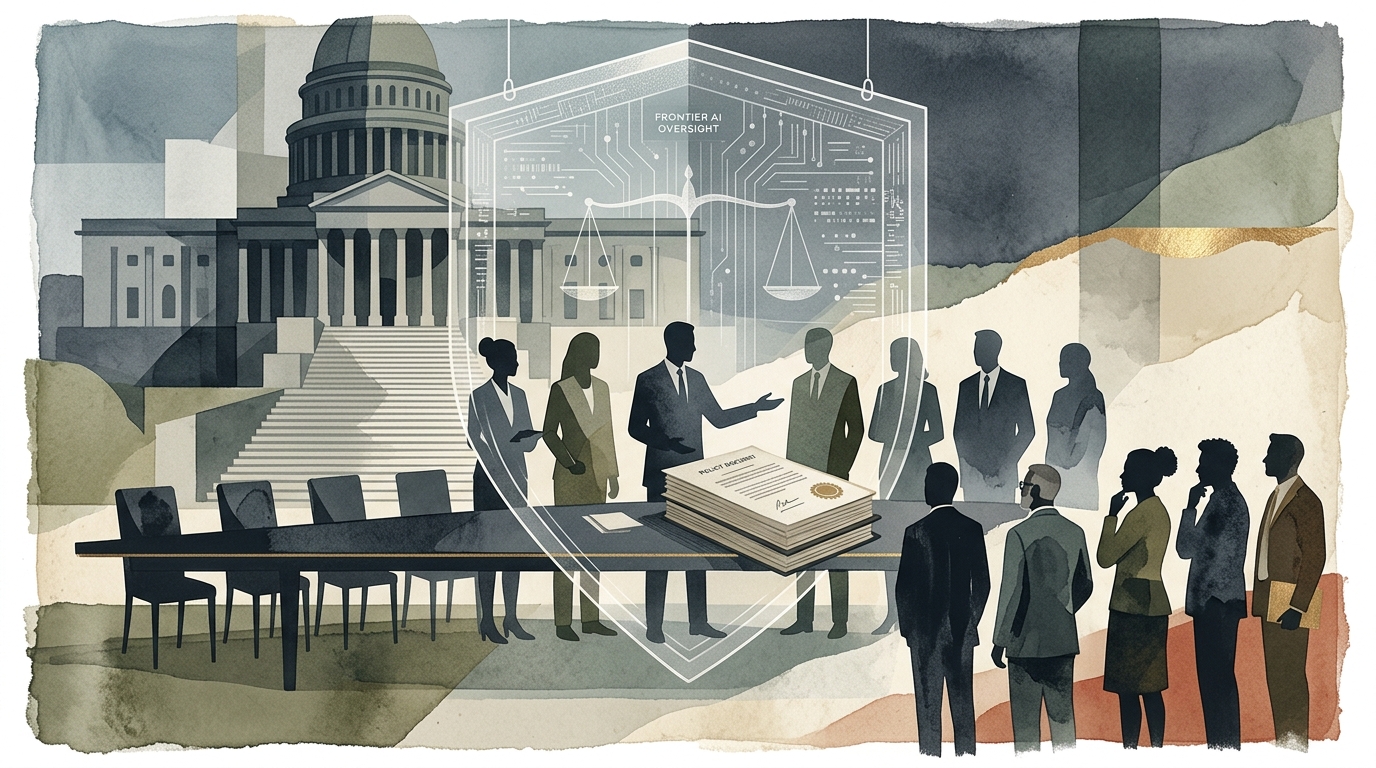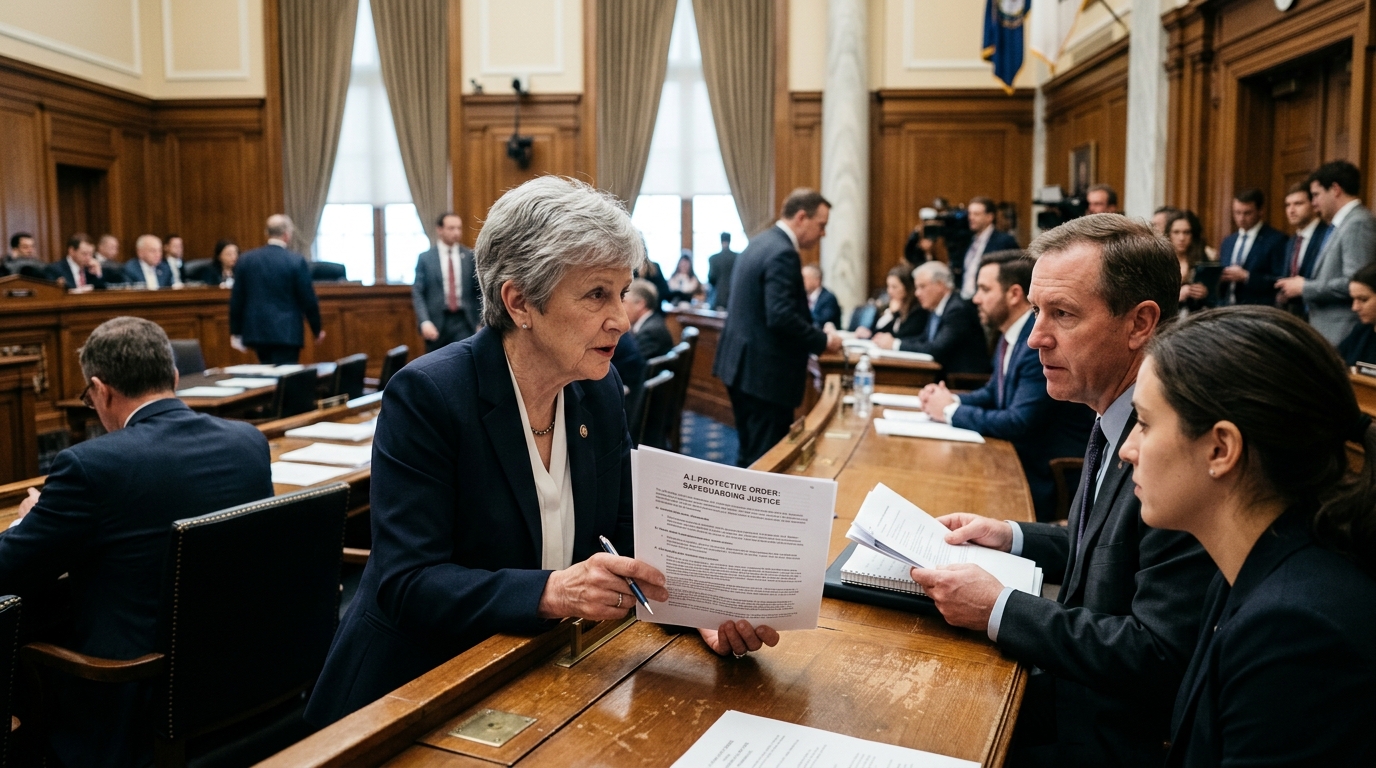
Legal practice, a field traditionally characterized by its adherence to precedent and human judgment, is currently facing one of the most significant transformations in its history. The rise of Generative AI has not only altered how attorneys draft briefs but has fundamentally reshaped the landscape of electronic discovery (e-discovery). The recent news regarding the issuance of another "AI Protective Order" by U.S. courts, aligned with the standards of the Electronic Discovery Reference Model (EDRM), highlights the urgent need for a new regulatory framework within the courtroom.
The Evolution of E-Discovery and the AI Incursion
For decades, e-discovery involved searching through vast quantities of digital data—emails, documents, databases—to find evidence relevant to a legal case. With the advent of Large Language Models (LLMs), the speed and efficiency of this process have skyrocketed. However, this velocity brings unprecedented risks. Using tools like ChatGPT or specialized legal AI platforms carries the danger of leaking confidential information into public training models, as well as the phenomenon of "hallucinations," where AI fabricates non-existent case law.
The protective orders we see proliferating in 2026 are not merely perfunctory guidelines. They are complex legal instruments that define how, when, and under what conditions AI can be used during litigation. EDRM, as the leading organization for e-discovery standards, has played a pivotal role in shaping these orders, ensuring that technology serves justice rather than undermining it.
Core Components of New Protective Orders: Privacy and Transparency
A typical "AI Protective Order" now includes strict terms for safeguarding attorney-client privilege. Judges are increasingly requiring parties to explicitly disclose whether AI was used for document review or drafting. Furthermore, these orders often mandate the use of "closed" AI systems, where data does not leave the controlled environment of the law firm or the technology provider.
- Mandatory disclosure of the use of Generative AI tools.
- Certification by legal counsel that AI outputs have been verified by a human.
- Prohibition of inputting sensitive data into public AI platforms without prior anonymization.
- Establishment of protocols for addressing errors resulting from algorithmic failure.
This approach reflects a deeper understanding of the risks involved. It is no longer a technophobic reaction but a mature management of a powerful tool. Justice requires precision, and AI, despite its brilliance, remains a statistical model that can err in a convincing manner.
The Ethical Dimension and Attorney Responsibility
The critical question arises: who bears the responsibility when AI makes a mistake? The new protective orders clarify that ultimate accountability remains with the human attorney. "Human-in-the-loop" oversight is no longer an optional best practice but a legal obligation. Judges are becoming increasingly stern with lawyers who submit filings containing false citations, imposing sanctions ranging from fines to disciplinary action.
"Technology may accelerate the process, but it cannot substitute for the ethical conscience and professional judgment of a legal officer," a recent federal court ruling noted.
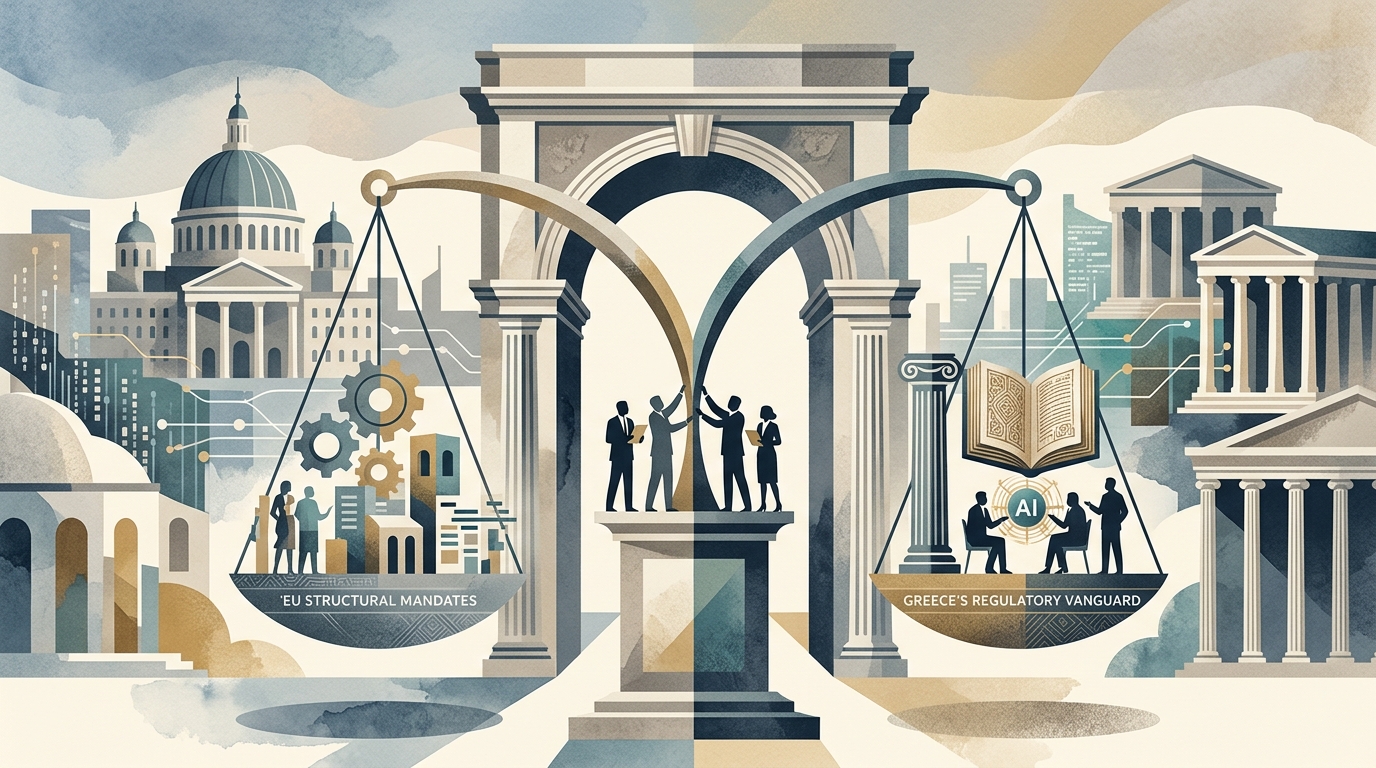
In Europe, this discussion gains additional weight due to the AI Act. While the U.S. moves through judicial orders and EDRM standards, the EU imposes a horizontal legislative framework. However, protective orders remain the most immediate and effective tool for controlling AI in practice, as they adapt to the specificities of each individual case.
Conclusion: Toward a Hybrid Justice System
The issuance of another AI protective order signals the transition to an era of "hybrid justice." In this new reality, the efficiency of algorithms is coupled with the guarantees of the rule of law. The EDRM community continues to provide the roadmap, but the responsibility for the proper use of these tools rests with all participants in the legal process. Artificial intelligence will not replace judges or lawyers, but judges and lawyers who use AI safely and ethically will replace those who refuse to adapt or who use it recklessly.