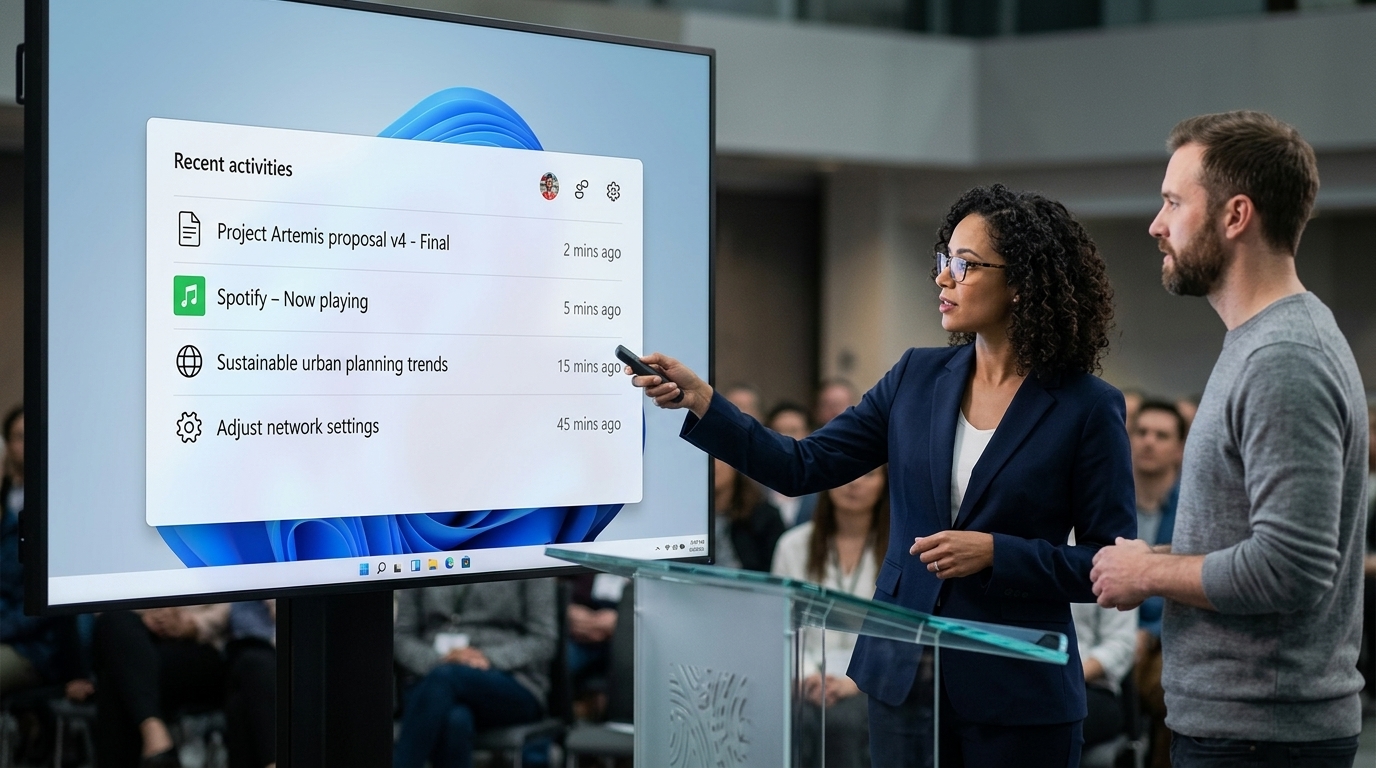
In an era where classroom technology is no longer a luxury but a necessity, Samsung Electronics stood at the center of this year's ISTELive 2026 conference, unveiling a suite of innovations designed to redefine the educational experience. By leveraging the power of the Galaxy AI ecosystem, the Korean giant showcased tools aimed at dismantling the barriers of traditional learning, offering a truly personalized approach for both students and educators.
The Age of Hyper-Personalization
The central theme of Samsung's presentation at ISTELive was the shift from a 'one-size-fits-all' model to a dynamic, adaptive learning environment. Through the new Galaxy Tab S11 series and AI-enhanced Chromebooks, Samsung is enabling students to receive real-time feedback. The 'AI Tutor' feature analyzes how a student solves a math problem or drafts an essay, identifying conceptual gaps before the assignment is even submitted.
As a Samsung executive stated during the keynote:
"Artificial intelligence is not here to replace teaching, but to amplify it. Our goal is to provide every child with a personal mentor that understands their pace, while simultaneously liberating teachers from administrative burdens."
Empowering the Modern Educator
One of the most impressive announcements concerned the 'Samsung Education Hub,' a platform that utilizes generative AI to assist teachers in lesson planning. The platform can automatically generate interactive content, such as quizzes and presentations, based on specific national curricula. Furthermore, the system provides detailed classroom analytics, allowing educators to see at a glance which students require additional intervention.
- Real-time lecture transcription and translation for students from diverse linguistic backgrounds.
- Advanced accessibility tools that convert text-to-speech and speech-to-text, supporting students with dyslexia or visual impairments.
- S Pen integration with AI features that recognize handwritten shapes and convert them into precise digital diagrams.
Security and Ethics in the Digital Classroom
With the increasing use of AI, concerns regarding the protection of minors' data are more acute than ever. Samsung placed significant emphasis on its Knox security system, which now includes specialized protection layers for educational data. AI data processing is performed, whenever possible, locally on the device (on-device AI), ensuring that students' personal information does not leak into the cloud without strict oversight.
Samsung's 2026 strategy indicates that the company does not view education merely as a hardware market, but as an ecosystem where software and the ethical use of technology play a leading role. Partnerships with major educational organizations worldwide further solidify its position as a leader in the digital transformation of schools.
Conclusion: Toward an Inclusive Future
Samsung's presence at ISTELive 2026 highlights that the future of education is hybrid, intelligent, and, above all, human-centric. While technology advances at a rapid pace, the challenge remains ensuring equitable access to these tools. Samsung seems to recognize this, investing in solutions that can scale from the most advanced classrooms to schools in developing regions through its more affordable Galaxy Chromebook lineup.