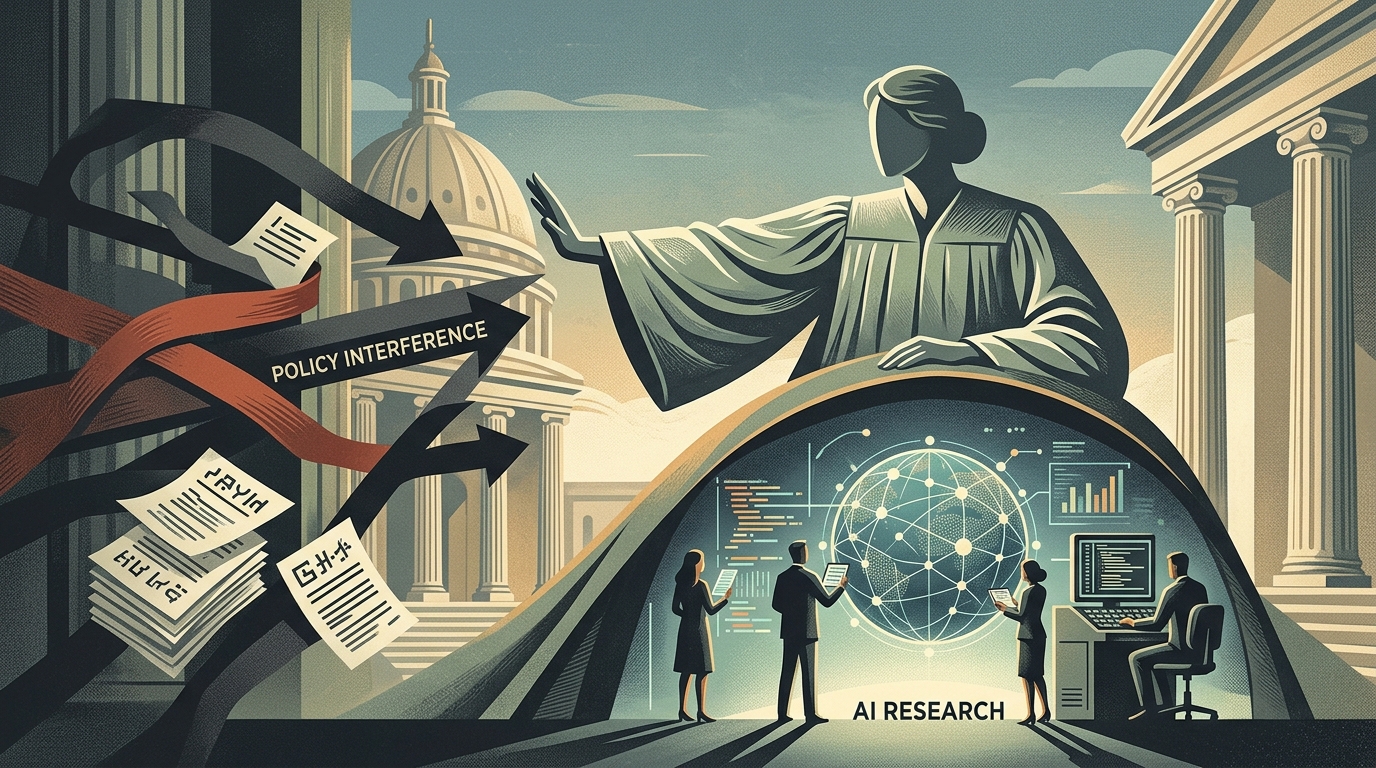
The sight of a California driver staring in disbelief at the gas pump's total is a common tableau, but the forces behind those prices are now facing a high-tech reckoning. A significant class-action lawsuit filed recently targets some of the biggest names in energy and retail—BP, Marathon Petroleum, 7-Eleven, and Walmart—alleging they employed sophisticated AI algorithms to artificially inflate fuel prices across the Golden State. This case is more than a dispute over the price of a gallon; it is a seminal battleground where 19th-century antitrust laws meet the 21st-century reality of algorithmic capitalism.
The 'Digital Cartel' and Algorithmic Collusion
At the heart of the lawsuit is the claim that these corporations have abandoned traditional competitive practices in favor of what legal experts call "algorithmic collusion." According to the plaintiffs, these companies utilized third-party software powered by real-time data to synchronize their pricing strategies. Rather than prices being dictated by local supply and demand, the software allegedly allowed retailers to maintain high price points, secure in the knowledge that their competitors—guided by the same "digital brain"—would do the same.
Dynamic pricing is not a new concept, but its application in the fuel sector through shared data platforms raises profound questions. The lawsuit argues that this system functions as a modern-day cartel. In this scenario, the "agreement" isn't made in a smoke-filled boardroom but via code and APIs. For the consumer, the result is the notorious "California Premium"—a price tag that consistently towers over the national average, even when accounting for the state's higher taxes and stringent environmental mandates.
The Antitrust Challenge: Code vs. Law
The legal hurdle for the plaintiffs is substantial. The Sherman Act, the bedrock of U.S. antitrust law, requires proof of an "agreement" to establish a conspiracy. However, how do you prove an agreement when the decisions are made by autonomous algorithms? The defendant companies maintain that they are simply using technological tools to monitor the market and respond to fluctuations with greater efficiency—a practice they claim is entirely legal.
- Data Transparency: The suit alleges that companies share sensitive, non-public data through the software, facilitating a form of tacit coordination that would be impossible for humans to manage manually.
- Automated Retaliation: Algorithms can instantly detect and punish any "maverick" station that tries to lower prices, forcing a return to high-margin equilibrium within seconds.
- The 'Black Box' Defense: The lack of direct human intervention serves as a legal shield, making it difficult for regulators to pinpoint specific intent to collude.
This case follows the trajectory of similar litigation in the housing market, notably the RealPage controversy, where algorithmic rent-setting was linked to widespread price hikes. If the courts rule against BP and Walmart, it will set a powerful precedent, forcing global corporations to fundamentally reconsider how they deploy AI in their pricing models.
Social and Economic Implications
In California, where driving is often a necessity rather than a luxury, high gas prices act as a regressive tax that disproportionately affects low-income households. The suspicion that these prices are not the product of a free market but of algorithmic manipulation is fueling public resentment. Consumers feel trapped in a system where technology, instead of driving down costs through efficiency, is being weaponized to extract maximum profit from their pockets.
"Artificial intelligence cannot be the 'black box' where corporate accountability goes to die," says a legal analyst following the case. "If an algorithm does what would be illegal for a CEO to do, then the algorithm itself is a violation of the law."
Ultimately, the outcome of this trial will determine whether AI remains a tool for optimization or becomes the ultimate weapon for modern monopolies. The justice system must now decide if code can be held to the same ethical and legal standards as the humans who profit from it. The world is watching, as the intersection of big data and big oil reaches a critical tipping point.