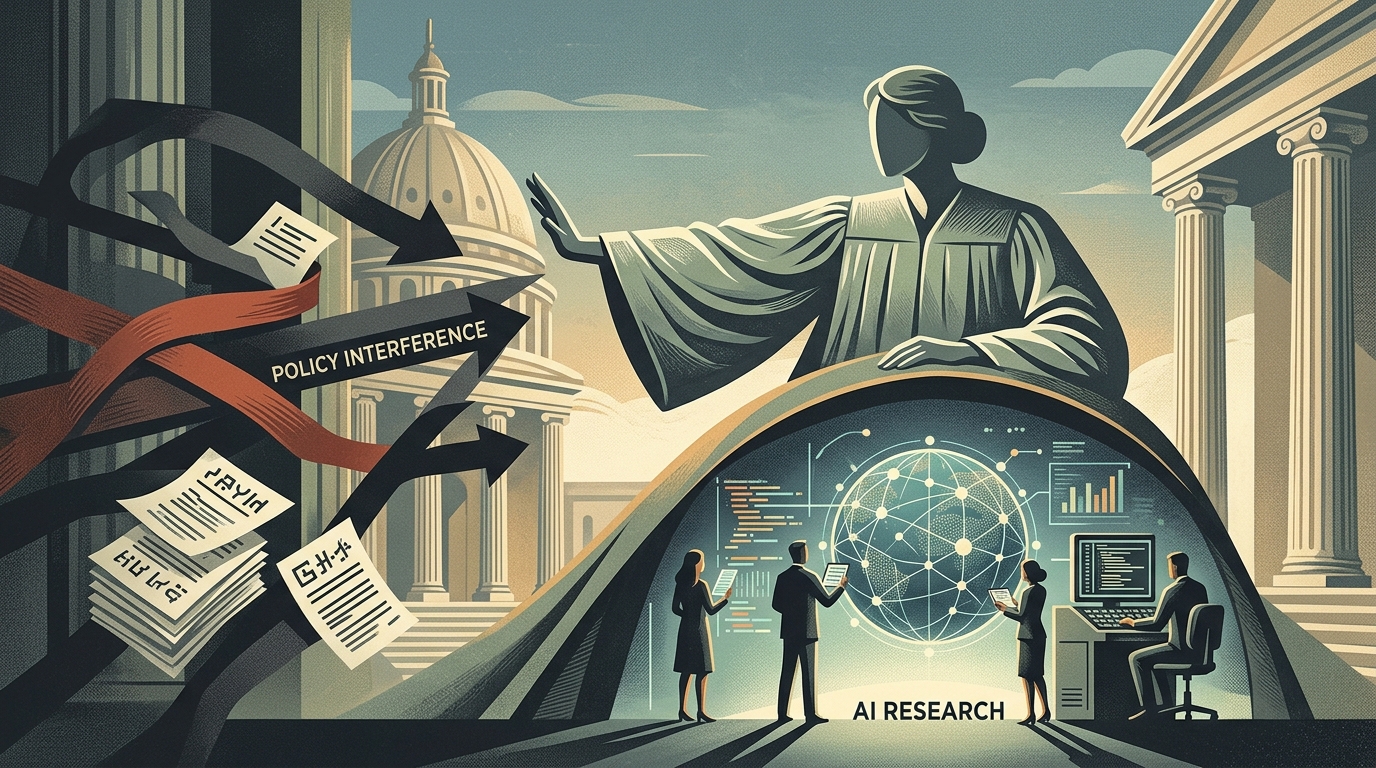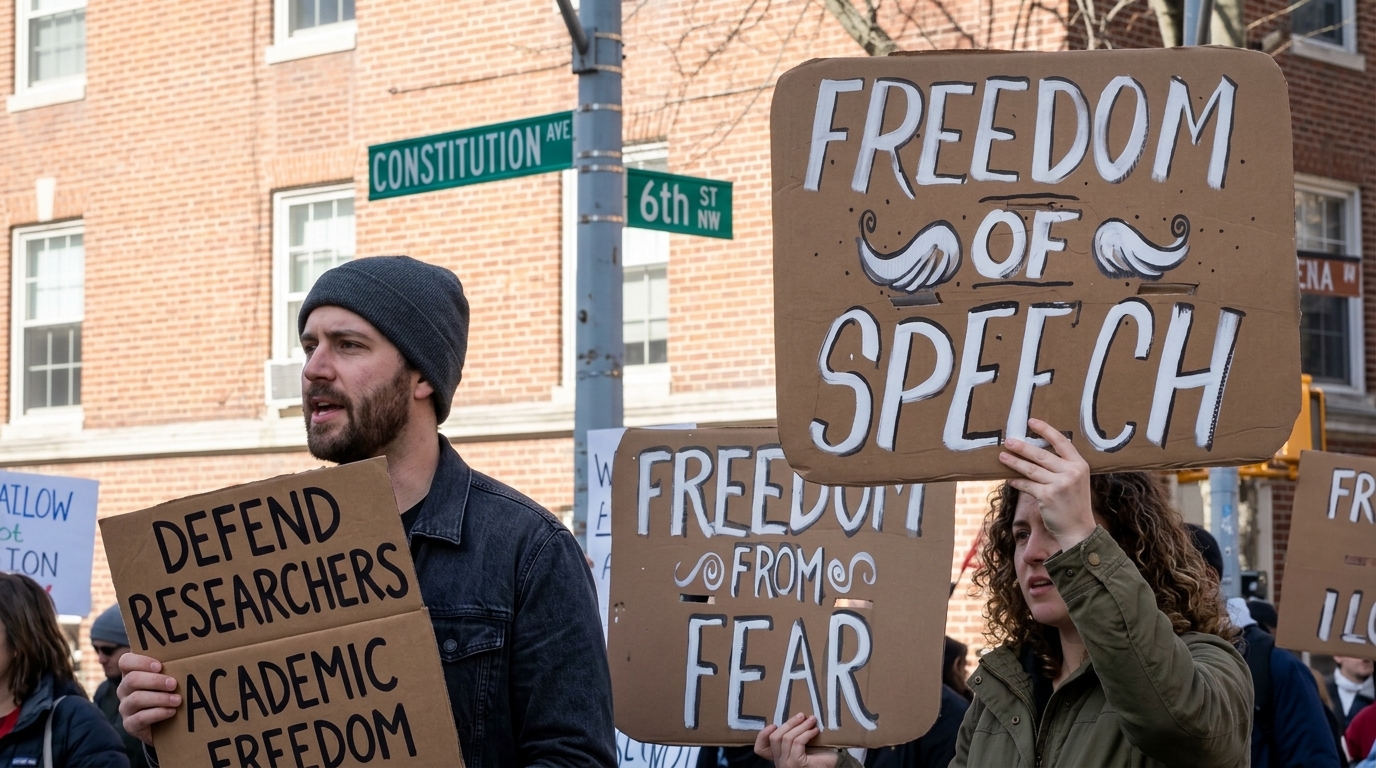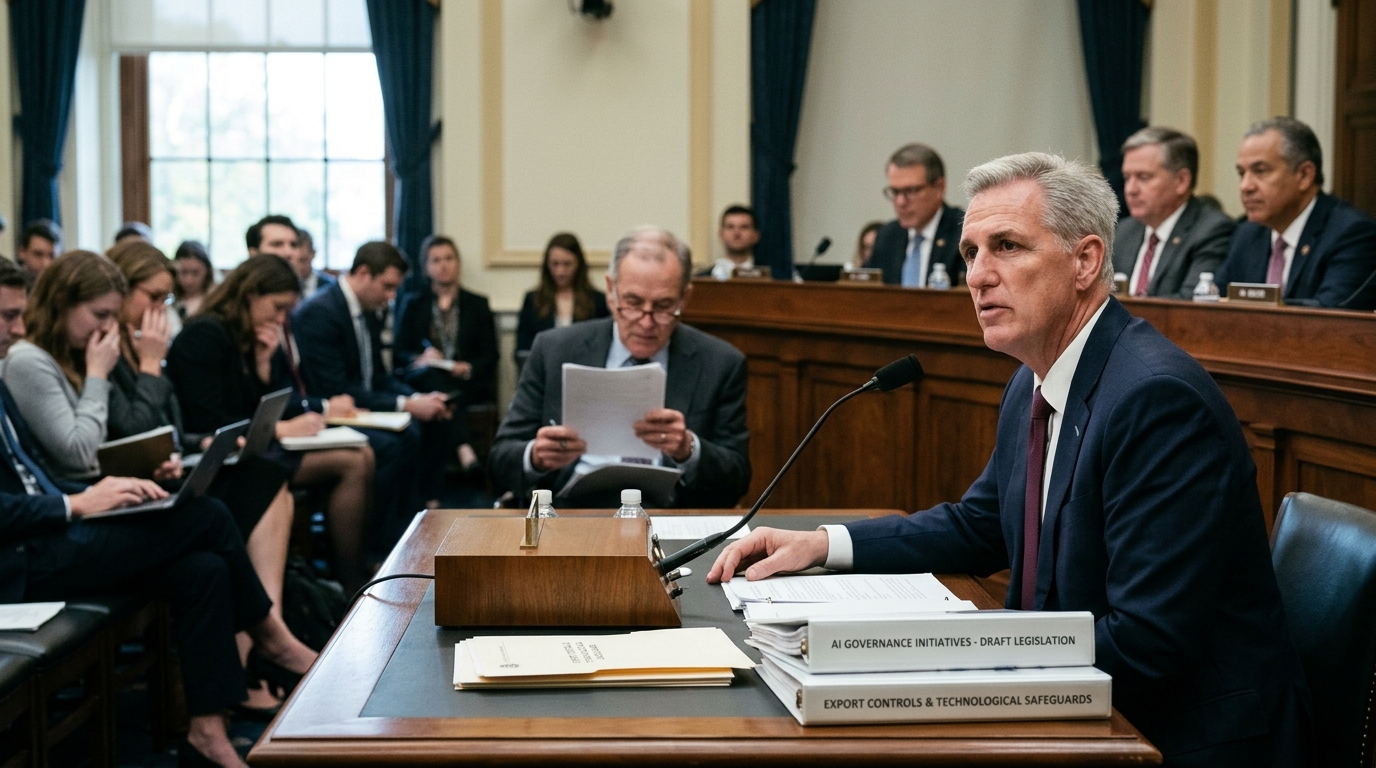
The meteoric rise of Artificial Intelligence (AI) is not only transforming the economy and daily life but is also violently reshaping the legal and geopolitical landscape. At the heart of this storm lies a fundamental conflict: the U.S. government's attempt to restrict access to advanced AI models for national security reasons, versus the protection of free speech and open innovation. A recent analysis by the Cato Institute highlights the dangers that arise when export legislation clashes with constitutionally protected freedom of expression.
Code as a Form of Speech
For decades, American courts have recognized that software code is not merely a tool but a form of protected speech. The landmark case Bernstein v. US in the 1990s established that publishing cryptographic code falls under the First Amendment. Today, the debate shifts to the "weights" of Large Language Models (LLMs). The Cato Institute argues that imposing restrictions on sharing these models—especially in the case of open-source software—amounts to prior restraint and censorship.
When the government attempts to control who can "speak" to a machine or what kind of mathematical parameters a researcher can share, it enters a slippery slope. The concern is that, under the guise of preventing AI from being used by "hostile states" to build biological weapons or conduct cyberattacks, legislation ends up silencing the very scientific community essential for developing defensive technologies.
Geopolitics and the Illusion of Control
The U.S. strategy to limit exports of powerful chips (such as those from Nvidia) and, now, the AI models themselves, directly targets China and other adversaries. However, the effectiveness of these measures is heavily questioned. AI is not a physical good that can be easily contained within borders. It is information. And information tends to leak.
- Export restrictions may accelerate China's push for domestic self-sufficiency, reducing American influence in the long run.
- Weakening the Open Source ecosystem deprives the U.S. of its greatest advantage: transparency and collective security.
- The creation of a "digital iron curtain" forces third countries to choose sides, fragmenting global technological development.
The Cato Institute points out that over-regulation does not offer real security but creates an illusion of control while simultaneously undermining the economic dynamism of American tech companies.
The Threat to Innovation and Human Rights
Beyond the U.S. legal framework, Washington's decisions set a precedent for the entire world. If the world's leading democracy accepts that AI can be arbitrarily restricted for "national security" reasons, what will stop authoritarian regimes from using the same argument to suppress all forms of digital dissent? AI is the ultimate tool for augmenting human intellect. By restricting access to it, we restrict the ability of individuals to solve problems, create art, and communicate.
"Free speech is not an obstacle to security, but the foundation of it. A society that fears code, fears progress itself."
In conclusion, AI legislation must be surgical, not blunt. Instead of broad export restrictions and controls on model content, the focus should be on strengthening infrastructure resilience and promoting a secure but open digital environment. The battle for AI is the battle for the soul of the First Amendment in the 21st century.