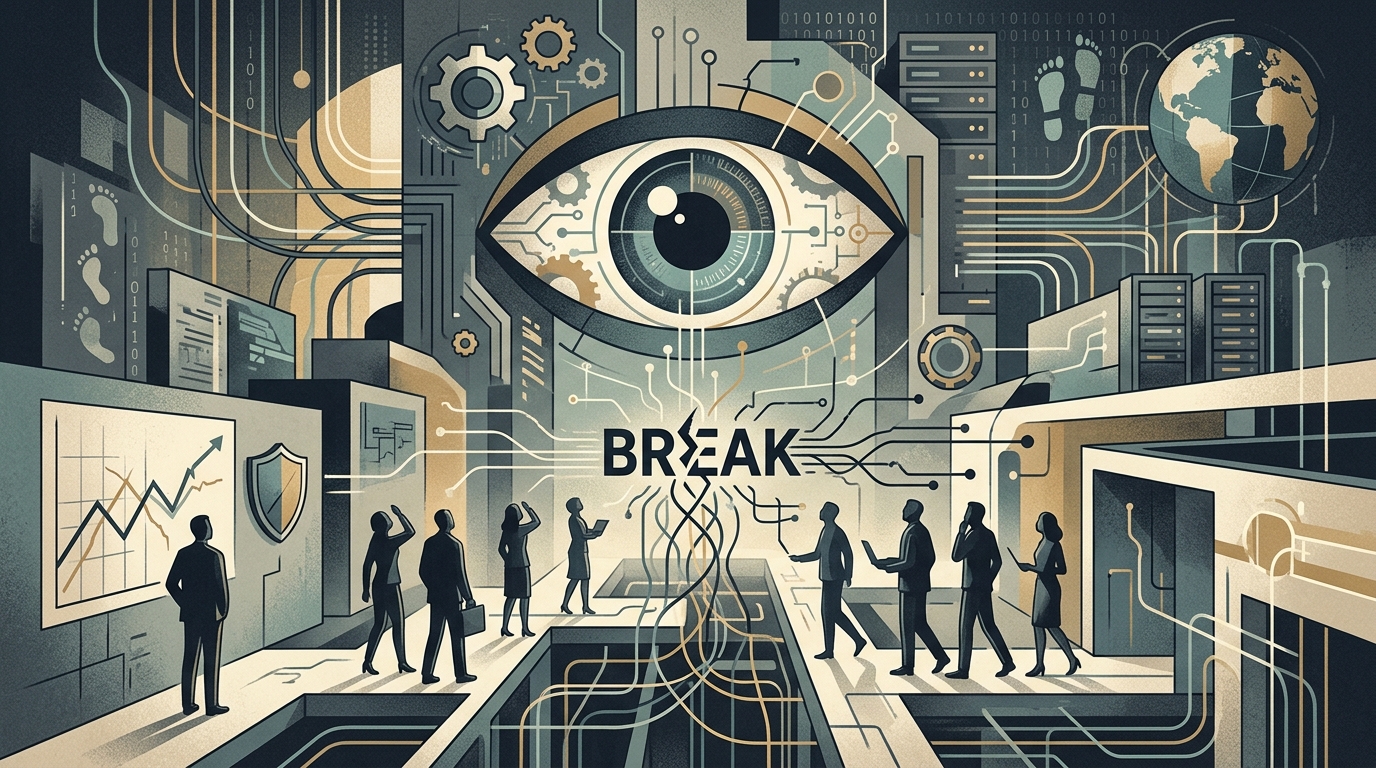
In an era where Meta is attempting to redefine its corporate DNA through Mark Zuckerberg’s "Year of Efficiency," a new internal crisis has highlighted the volatile limits of digital surveillance. According to an investigative report by Wired, the tech giant has been forced to pause a sophisticated program designed to track employee physical presence after a significant data leak exposed sensitive information across the company’s internal network.
The Anatomy of a Leak: When Surveillance Fails the Surveyor
The program, intended to enforce Meta’s strict three-day-a-week return-to-office (RTO) mandate, aggregated data from employee badge swipes and various occupancy sensors. However, a technical oversight left this data—which included precise entry and exit times as well as specific office locations—accessible to a much wider array of employees than intended. The irony is palpable: a company at the forefront of AI development, which manages the personal data of billions, failed to secure the privacy of its own workforce.
"Trust is the hidden currency of productivity. When employees feel monitored by a system that is both intrusive and insecure, the culture of innovation begins to erode," said an internal Meta source who requested anonymity.
The Surveillance State of the Silicon Valley Office
Meta’s move is not an isolated incident but part of a broader trend across Silicon Valley. Post-pandemic, tech giants have engaged in a tug-of-war to bring employees back to physical offices, often employing methods that mirror Jeremy Bentham’s "Panopticon." At Meta, the drive for efficiency has manifested in a rigid control hierarchy where attendance data isn't just for logistics—it’s increasingly tied to performance evaluations and job security.
- The RTO policy mandates physical presence at least three days per week for most roles.
- Badge-in data was being integrated into internal performance dashboards.
- The leak revealed that even high-level managers expressed concerns regarding GDPR compliance for European staff.
Legal and Ethical Implications
The suspension of the program brings a critical question to the fore: Where does an employer’s right to oversight end and an employee’s right to privacy begin? In the European Union, regulations are stringent regarding data minimization. Collecting granular movement data to monitor attendance is often viewed as disproportionate, especially when less intrusive methods are available. Meta, already a frequent target of privacy regulators, now faces the risk of new inquiries, as the internal breach proves the data was not adequately safeguarded.
The Future of Work at Meta
While Meta claims the pause is temporary while security flaws are addressed, the psychological impact on the workforce may be harder to fix. In a competitive labor market where top-tier talent prizes flexibility and autonomy, "policing" attendance can trigger a talent drain. Meta now faces a delicate balancing act: fostering the physical collaboration it believes is essential for its AI-centric future, while maintaining the trust of the very engineers and researchers required to build it. As the race for AI dominance intensifies, internal friction is a luxury Meta can ill afford.